Imagine vibrant bursts of red cascading from a hanging basket, a miniature tomato vineyard right outside your door. Growing cherry tomatoes in a hanging basket isn't just a charming aesthetic choice; it's a surprisingly practical way to enjoy fresh, homegrown goodness, even if you're short on space. It's easier than you might think, and the rewards are delicious! Growing Cherry Tomatoes in Hanging Baskets: A Complete Guide Growing cherry tomatoes in hanging baskets offers a delightful way to bring fresh produce to even the smallest spaces. Whether you have a sprawling garden or a tiny balcony, the vibrant foliage and sweet, juicy fruits of cherry tomatoes add beauty and flavor to your surroundings. This guide will walk you through every step, from choosing the right basket to harvesting your bountiful crop. Consider these tips your keys to unlocking a cascade of delicious cherry tomatoes right at your fingertips! Why Choose Hanging Baskets fo...
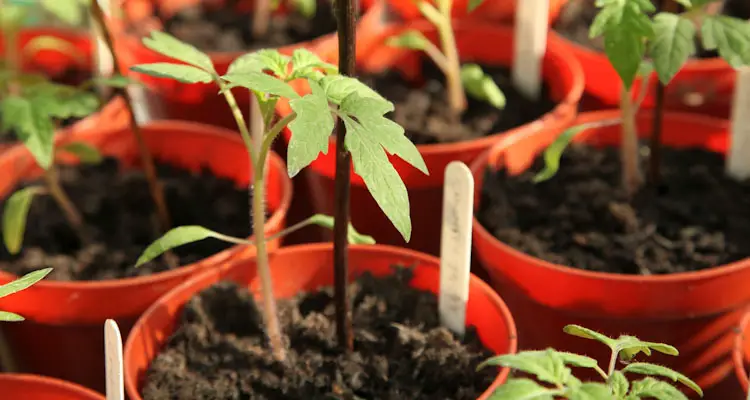
Dreaming of juicy, sun-ripened tomatoes bursting with flavor, fresh from your own garden? You don't need acres of land to make that dream a reality. One of the easiest and most effective ways to grow a bountiful tomato harvest is by using fabric pots. Let's explore why fabric pots are a game-changer for tomato growers of all levels!
Why Choose Fabric Pots for Your Tomato Plants?
Fabric pots, also known as grow bags, offer a unique set of advantages over traditional plastic pots, especially when it comes to growing tomatoes. From improved drainage to enhanced root development, the benefits are numerous. Let's dive into the specific reasons why you should consider using fabric pots for your tomato plants.
Enhanced Drainage and Aeration
One of the biggest challenges in container gardening is managing drainage. Overwatering can lead to root rot and a host of other problems. Fabric pots excel in this area because they are porous. This means that excess water can easily drain away, preventing waterlogging. But it's not just about drainage; fabric pots also allow for increased airflow to the root zone. This aeration promotes healthy root growth, as roots need oxygen to thrive. A well-aerated root system is crucial for nutrient uptake and overall plant health.
- Prevents Root Rot: The porous nature of the fabric allows excess water to escape, minimizing the risk of root rot.
- Improved Oxygen Flow: Fabric pots provide better aeration to the roots, promoting healthy growth.
- Faster Drying Time: The soil dries out more quickly in fabric pots compared to plastic pots, reducing the chance of overwatering.
Air Pruning for Healthier Root Systems
In traditional plastic pots, roots tend to circle around the inside of the container, becoming root-bound. This can restrict nutrient uptake and stunt plant growth. Fabric pots offer a natural solution to this problem through a process called air pruning. When the roots reach the edge of the fabric pot, they are exposed to air. This exposure causes the tips of the roots to dry out and stop growing, effectively "pruning" them. This encourages the plant to develop more lateral roots, creating a denser, more fibrous root system. A dense root system is much more efficient at absorbing water and nutrients, leading to a healthier and more productive tomato plant.
Imagine the root system of a tomato plant in a fabric pot like a sprawling network, reaching out in all directions to gather resources. In contrast, a root-bound plant in a plastic pot has a constricted, tangled mess of roots that struggles to support the plant's needs. The difference is significant, and air pruning is a key factor in the superior performance of fabric pots.
Temperature Regulation
Another advantage of fabric pots is their ability to regulate soil temperature. During hot summer days, plastic pots can heat up quickly, potentially scorching the roots of your tomato plants. Fabric pots, on the other hand, allow heat to dissipate more easily, keeping the soil cooler. Conversely, in cooler weather, the fabric can provide some insulation, helping to protect the roots from cold temperatures. This temperature regulation can be particularly beneficial in regions with extreme weather conditions.
The Benefits of Temperature Regulation Summarized:
- Reduced risk of root scorching during hot weather
- Protection from cold temperatures in cooler climates
- More consistent soil temperature for optimal root growth
Portability and Space Efficiency
Fabric pots are lightweight and easy to move, making them a great option for gardeners with limited space or those who want to rearrange their plants. You can easily move your tomato plants to follow the sun or to protect them from harsh weather conditions. Fabric pots also take up less storage space than rigid plastic pots when not in use, as they can be folded flat.
This portability is particularly useful for apartment dwellers or anyone with a small balcony or patio. You can create a thriving tomato garden even in a limited space by using fabric pots. Plus, if you need to move, your tomato plants can easily come with you!
Cost-Effectiveness and Durability
While the initial cost of fabric pots may be slightly higher than plastic pots, they are a worthwhile investment in the long run. Fabric pots are typically made from durable materials that can withstand multiple growing seasons. They are also less likely to crack or break than plastic pots. Furthermore, the improved plant health and increased yields you'll experience with fabric pots can more than offset the initial cost.
To ensure the longevity of your fabric pots, consider the following:
- Choose high-quality fabric pots made from durable materials.
- Clean the pots thoroughly after each growing season.
- Store the pots in a dry place when not in use.
Choosing the Right Size Fabric Pot for Tomato Plants
Selecting the right size fabric pot is crucial for the success of your tomato plants. A pot that is too small will restrict root growth and limit the plant's ability to absorb nutrients. A pot that is too large may retain too much moisture, leading to root rot. The ideal size depends on the type of tomato plant you are growing.
Recommended Fabric Pot Sizes for Different Tomato Varieties:
- Determinate Tomatoes (Bush Varieties): 10-15 gallon fabric pot. These tomatoes grow to a fixed size and produce all their fruit at once.
- Indeterminate Tomatoes (Vining Varieties): 15-25 gallon fabric pot. These tomatoes continue to grow and produce fruit throughout the growing season.
- Dwarf Tomatoes: 5-10 gallon fabric pot. These are compact varieties that are well-suited for smaller spaces.
It's always better to err on the side of a slightly larger pot than a smaller one. Tomatoes are heavy feeders, and a larger pot will provide them with more room to grow and access nutrients.
Setting Up Your Tomato Plants in Fabric Pots
Now that you know the benefits of using fabric pots, let's walk through the steps of setting up your tomato plants. The process is straightforward and similar to planting in traditional pots.
- Choose the Right Location: Tomato plants need at least 6-8 hours of sunlight per day. Select a sunny spot in your garden or on your patio.
- Select High-Quality Potting Mix: Use a well-draining potting mix that is specifically formulated for containers. Avoid using garden soil, as it can compact and impede drainage.
- Fill the Fabric Pot: Fill the fabric pot with potting mix, leaving a few inches of space at the top.
- Plant the Tomato Seedling: Dig a hole in the center of the pot and gently place the tomato seedling into the hole. Backfill with potting mix and water thoroughly.
- Provide Support: Tomato plants, especially indeterminate varieties, need support to prevent them from falling over. Use stakes, cages, or trellises to support the plants as they grow.
Caring for Tomato Plants in Fabric Pots
Once your tomato plants are established in their fabric pots, proper care is essential for a bountiful harvest. Here are some key tips for success:
- Watering: Check the soil moisture regularly and water when the top inch of soil feels dry. Fabric pots tend to dry out more quickly than plastic pots, so you may need to water more frequently, especially during hot weather.
- Fertilizing: Tomato plants are heavy feeders and require regular fertilization. Use a balanced fertilizer that is specifically formulated for tomatoes. Follow the instructions on the fertilizer label for application rates and frequency.
- Pruning: Prune your tomato plants regularly to remove suckers (small shoots that grow between the main stem and the branches). Pruning helps to improve air circulation and direct the plant's energy towards fruit production.
- Pest and Disease Control: Monitor your tomato plants regularly for pests and diseases. Take action promptly to prevent infestations and infections from spreading. Organic pest control methods, such as insecticidal soap and neem oil, can be effective for managing many common tomato pests.
Remember, consistent care and attention are key to growing healthy and productive tomato plants in fabric pots. With a little effort, you'll be rewarded with a delicious and abundant harvest!
Troubleshooting Common Issues with Tomato Plants in Fabric Pots
Even with the best care, you may encounter some challenges when growing tomato plants in fabric pots. Here are some common issues and how to address them:
- Yellowing Leaves: Yellowing leaves can be caused by a variety of factors, including nutrient deficiencies, overwatering, and underwatering. Check the soil moisture and nutrient levels to determine the cause and adjust your care accordingly.
- Blossom End Rot: Blossom end rot is a condition that causes the bottom of the tomato fruit to turn black and leathery. It is typically caused by a calcium deficiency. Ensure that your soil has adequate calcium levels and water regularly to prevent fluctuations in soil moisture.
- Pest Infestations: Tomato plants are susceptible to a variety of pests, including aphids, whiteflies, and tomato hornworms. Inspect your plants regularly for signs of infestation and take action promptly.
- Fungal Diseases: Tomato plants are also susceptible to fungal diseases, such as early blight and late blight. Proper air circulation and regular watering at the base of the plant can help to prevent fungal diseases.
By being proactive and addressing issues promptly, you can minimize the impact on your tomato plants and ensure a successful harvest.
When watering your tomato plants, you’ll want a quality and durable method to keep them hydrated. For a durable watering solution, consider a new hose! A quality pick is theGarden Hose 75 FT with 10-Function Nozzle, featuring a leak-proof metal connector and a kink-free design. Thisdurable garden hose optionis also lighter and more wear-resistant than many standard hoses, making it perfect for tending to your precious tomatoes. You can check it out on Amazon here:https://amzn.to/3Yv E0Bo.
Conclusion: Embrace Fabric Pots for Tomato Success
Growing tomato plants in fabric pots is a rewarding and effective way to enjoy fresh, homegrown tomatoes. The improved drainage, aeration, air pruning, temperature regulation, portability, and cost-effectiveness of fabric pots make them a superior choice for tomato growers of all levels. By following the tips and techniques outlined in this guide, you can create a thriving tomato garden and enjoy a bountiful harvest of delicious, sun-ripened tomatoes!