Imagine vibrant bursts of red cascading from a hanging basket, a miniature tomato vineyard right outside your door. Growing cherry tomatoes in a hanging basket isn't just a charming aesthetic choice; it's a surprisingly practical way to enjoy fresh, homegrown goodness, even if you're short on space. It's easier than you might think, and the rewards are delicious! Growing Cherry Tomatoes in Hanging Baskets: A Complete Guide Growing cherry tomatoes in hanging baskets offers a delightful way to bring fresh produce to even the smallest spaces. Whether you have a sprawling garden or a tiny balcony, the vibrant foliage and sweet, juicy fruits of cherry tomatoes add beauty and flavor to your surroundings. This guide will walk you through every step, from choosing the right basket to harvesting your bountiful crop. Consider these tips your keys to unlocking a cascade of delicious cherry tomatoes right at your fingertips! Why Choose Hanging Baskets fo...
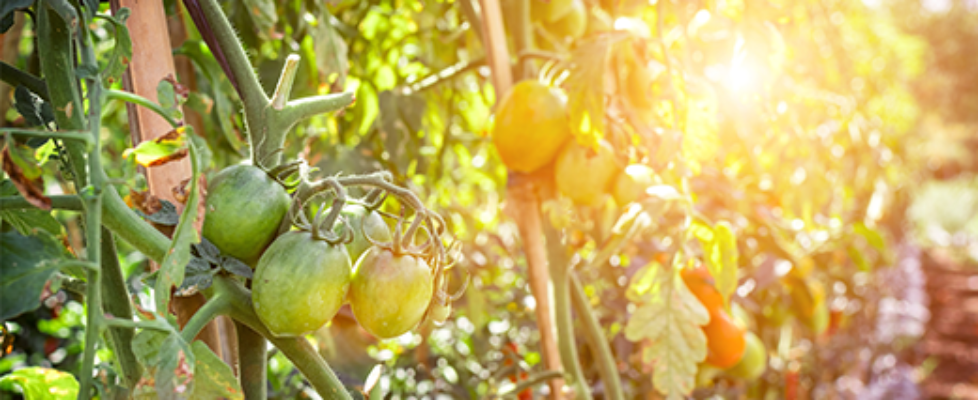
Dreaming of juicy, sun-ripened tomatoes bursting with flavor, straight from your own backyard? You don't need acres of land to make that dream a reality. Even if you're short on space, growing tomatoes in fabric pots can be a surprisingly simple and rewarding experience. Let's dive into how you can cultivate your own tomato paradise, one fabric pot at a time!
Why Choose Fabric Pots for Growing Tomatoes?
So, why all the buzz about fabric pots? They're not just a trendy gardening fad; they offer some real advantages over traditional plastic or terracotta pots, especially when it comes to growing tomatoes.
Enhanced Aeration and Drainage
One of the biggest benefits of using fabric pots is improved airflow to the roots. Unlike solid containers, fabric allows air to penetrate the soil from all sides. This constant aeration encourages stronger, healthier root development. Think of it like this: roots need to breathe just like we do! Better aeration prevents roots from becoming waterlogged and suffocated, which can lead to root rot and other problems. Healthy roots translate to a healthier, more productive tomato plant.
Furthermore, fabric pots provide excellent drainage. Excess water can easily escape through the fabric, preventing the soil from becoming saturated. This is especially crucial for tomatoes, which are susceptible to root rot if they sit in standing water. The better drainage also helps prevent the buildup of harmful salts and minerals in the soil.
Temperature Regulation
Fabric pots can help regulate soil temperature, keeping it cooler in hot weather and warmer in cooler weather. In the summer, the breathable fabric allows heat to dissipate, preventing the soil from overheating. This is especially important in areas with intense sunlight, as excessive soil temperatures can stress the plants and reduce fruit production. Conversely, in cooler weather, the fabric can provide some insulation, helping to protect the roots from frost damage. This temperature regulation creates a more stable and favorable environment for tomato growth.
Air Pruning for Stronger Roots
Air pruning is another fantastic benefit of using fabric pots. When roots reach the edge of the fabric, they are exposed to air, which naturally prunes them. This encourages the plant to develop more lateral roots, creating a denser, more fibrous root system. This denser root system is better able to absorb water and nutrients, leading to a stronger, healthier, and more productive plant. Air pruning also prevents roots from becoming root-bound, which can happen in traditional pots.
Portability and Convenience
Fabric pots are lightweight and easy to move, even when filled with soil and plants. This is a huge advantage if you need to move your tomato plants to follow the sun, protect them from frost, or simply rearrange your garden. They also fold flat for easy storage when not in use, saving you valuable space in your shed or garage. The portability of fabric pots makes them ideal for apartment dwellers, balcony gardeners, or anyone with limited space.
Choosing the Right Fabric Pot for Your Tomatoes
Selecting the appropriate size and type of fabric pot is crucial for successful tomato growing. Consider the following factors:
Size Matters
Tomato plants are heavy feeders and need plenty of room for their roots to grow. A general rule of thumb is to use aminimum of 10 gallons for determinate (bush) tomato varieties and15-20 gallons for indeterminate (vining) varieties. Larger pots are always better, as they provide more room for root growth and help retain moisture. While smaller containers might seem appealing for space saving, they can quickly become root-bound and require more frequent watering and fertilization.
Here's a quick guide:
- Determinate Tomatoes (Bush Varieties): 10-15 gallon fabric pots
- Indeterminate Tomatoes (Vining Varieties): 15-25 gallon fabric pots
- Cherry Tomatoes: 7-10 gallon fabric pots
Fabric Pot Material
Most fabric pots are made from either polypropylene or felt. Both materials are breathable and durable, but there are some subtle differences. Polypropylene pots are often more rigid and may hold their shape better, while felt pots tend to be softer and more pliable. The material doesn’t typically make a huge difference in performance, so choose the one that best suits your preferences and budget.
Look for pots that are made fromBPA-free and UV-resistant materials. This will ensure that the pots are safe for growing edible plants and will withstand the sun's rays without deteriorating.
Pot Color
While pot color may seem like a minor detail, it can actually affect soil temperature. Dark-colored pots absorb more heat than light-colored pots. In hot climates, it's best to choose light-colored fabric pots to help keep the soil cooler. Conversely, in cooler climates, dark-colored pots may help warm the soil.
Preparing Your Fabric Pots for Planting Tomatoes
Once you've chosen the right fabric pots, it's time to prepare them for planting. Here's a step-by-step guide:
Choosing the Right Soil Mix
Tomatoes need well-draining, nutrient-rich soil to thrive. Avoid using garden soil, as it can be too heavy and may contain pests or diseases. Instead, opt for a high-quality potting mix specifically formulated for containers. You can also create your own soil mix by combining equal parts:
- Peat moss or coco coir
- Compost
- Perlite or vermiculite
This mixture provides good drainage, aeration, and nutrient retention. You can also add some slow-release fertilizer to the soil mix to provide a steady supply of nutrients to your tomato plants.
Filling the Pots
Fill the fabric pots with your chosen soil mix, leaving a few inches of space at the top. Gently compact the soil to remove any air pockets. Water the soil thoroughly before planting your tomato seedlings.
Adding Support Structures
Indeterminate tomato varieties can grow quite tall and will need support to prevent them from falling over. Before planting, install a tomato cage or stake in the center of the pot. This will provide support for the plant as it grows and will help keep the fruits off the ground.
Gardeners who are growing tomatoes in fabric pots often use tomato cages. You can also add a trellis. It is also recommended that you check the plant on a regular basis to make sure the tomato plant does not fall or break.
Planting Your Tomato Seedlings in Fabric Pots
Now comes the fun part – planting your tomato seedlings! Follow these steps for successful planting:
Choosing Healthy Seedlings
Select healthy, vigorous tomato seedlings from a reputable nursery or garden center. Look for plants that have strong stems, green leaves, and no signs of disease or pests. Avoid seedlings that are root-bound or have yellowing leaves.
Planting Depth
Dig a hole in the center of the pot, deep enough to accommodate the root ball of the seedling. Gently remove the seedling from its container and loosen the roots slightly. Place the seedling in the hole and backfill with soil, pressing gently to secure it. Plant the seedling slightly deeper than it was in its original container, as this will encourage the formation of new roots along the buried stem.
Watering After Planting
Water the newly planted seedling thoroughly, ensuring that the soil is evenly moist. Avoid overwatering, as this can lead to root rot. Mulch around the base of the plant with straw or wood chips to help retain moisture and suppress weeds.
Consider how easy it will be to water the tomato plants. If you're looking for a reliable way to keep your tomato plants hydrated, especially during those hot summer months, consider checking out theGarden Hose 75 FT with 10-Function Nozzle. This leak-proof metal connector water distribution system can help you with watering your plants and washing your car. You can find it here:https://amzn.to/3Yv E0Bo.
Caring for Your Tomatoes Grown in Fabric Pots
Once your tomato seedlings are planted, it's important to provide them with the care they need to thrive. Here are some essential tips:
Watering
Tomatoes need consistent watering, especially when grown in containers. Water deeply and regularly, allowing the soil to dry out slightly between waterings. Check the soil moisture by sticking your finger into the soil. If the top inch or two feels dry, it's time to water. Avoid watering the foliage, as this can promote fungal diseases. Instead, water at the base of the plant.
During hot, dry weather, you may need to water your tomato plants daily. In cooler, wetter weather, you may only need to water them every few days.
Fertilizing
Tomatoes are heavy feeders and need regular fertilization to produce abundant fruit. Use a balanced fertilizer specifically formulated for tomatoes, following the instructions on the label. You can also supplement with organic fertilizers, such as compost tea or fish emulsion.
Fertilize your tomato plants every two to three weeks, starting when the first fruits begin to set.
Pruning
Pruning is essential for indeterminate tomato varieties to promote air circulation and encourage fruit production. Remove suckers (the small shoots that grow between the main stem and the branches) to direct the plant's energy towards fruit production. You can also remove any yellowing or diseased leaves.
Pest and Disease Control
Monitor your tomato plants regularly for signs of pests or diseases. Common tomato pests include aphids, whiteflies, and tomato hornworms. Common tomato diseases include early blight, late blight, and blossom end rot.
Use organic pest control methods, such as insecticidal soap or neem oil, to control pests. Prevent diseases by providing good air circulation, avoiding overhead watering, and removing any infected leaves promptly.
Sunlight
Tomatoes need at least 6-8 hours of sunlight per day to thrive. Place your fabric pots in a sunny location where they will receive plenty of direct sunlight. If you live in an area with intense sunlight, provide some afternoon shade to protect the plants from overheating.
Harvesting Your Tomatoes
The moment you've been waiting for! Tomatoes are typically ready to harvest when they are fully colored and slightly soft to the touch. Gently twist the tomato from the vine, leaving the stem attached. Enjoy your homegrown tomatoes fresh, in salads, sauces, or your favorite recipes. Growing tomatoes in fabric pots is a very rewarding experience!
Troubleshooting Common Problems When Growing Tomatoes in Fabric Pots
Even with the best care, you might encounter some challenges when growing tomatoes in fabric pots. Here's how to troubleshoot some common problems:
Blossom End Rot
Blossom end rot is a common problem caused by calcium deficiency. It appears as a dark, sunken spot on the blossom end of the fruit. To prevent blossom end rot, ensure that your soil has adequate calcium and maintain consistent watering. You can also add calcium supplements to the soil.
Leaf Curl
Leaf curl can be caused by a variety of factors, including heat stress, overwatering, and viral diseases. Provide adequate shade during hot weather, avoid overwatering, and inspect your plants regularly for signs of disease.
Yellowing Leaves
Yellowing leaves can be a sign of nutrient deficiency, overwatering, or disease. Check the soil moisture and adjust your watering accordingly. Fertilize your plants regularly with a balanced fertilizer. Inspect your plants for signs of pests or diseases.
Conclusion
Growing tomatoes in fabric pots is a simple and rewarding way to enjoy fresh, homegrown tomatoes, even if you have limited space. With the right pot size, soil mix, and care, you can cultivate a bountiful harvest of juicy, flavorful tomatoes right in your own backyard, patio, or balcony. So, get started today and experience the joy of growing your own tomatoes in fabric pots!