Imagine vibrant bursts of red cascading from a hanging basket, a miniature tomato vineyard right outside your door. Growing cherry tomatoes in a hanging basket isn't just a charming aesthetic choice; it's a surprisingly practical way to enjoy fresh, homegrown goodness, even if you're short on space. It's easier than you might think, and the rewards are delicious! Growing Cherry Tomatoes in Hanging Baskets: A Complete Guide Growing cherry tomatoes in hanging baskets offers a delightful way to bring fresh produce to even the smallest spaces. Whether you have a sprawling garden or a tiny balcony, the vibrant foliage and sweet, juicy fruits of cherry tomatoes add beauty and flavor to your surroundings. This guide will walk you through every step, from choosing the right basket to harvesting your bountiful crop. Consider these tips your keys to unlocking a cascade of delicious cherry tomatoes right at your fingertips! Why Choose Hanging Baskets fo...
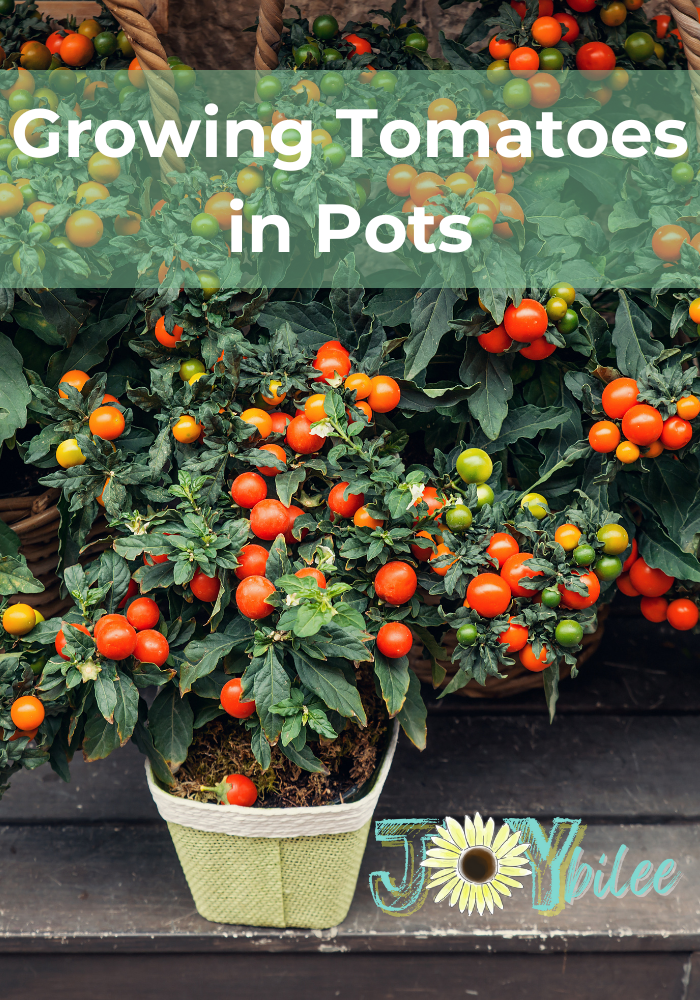
There's nothing quite like the taste of a sun-ripened tomato, still warm from the garden. But what if you don't have a sprawling backyard to dedicate to your tomato dreams? Fear not, fellow tomato enthusiasts! Growing tomatoes in pots is a fantastic option, and specifically,growing tomatoes in 7 gallon pots*can unlock a bountiful harvest even in limited spaces. Let's dive into the wonderful world of container tomato gardening!
Why Choose 7 Gallon Pots for Growing Tomatoes?
When it comes togrowing tomatoes in containers, size matters. While you might be tempted to squeeze a tomato plant into a smaller pot, the 7-gallon size hits a sweet spot for several reasons. Let's explore the benefits:
- Adequate Root Space:Tomatoes are vigorous growers with extensive root systems. A 7-gallon pot provides enough room for the roots to spread out and absorb the nutrients and water they need to thrive. Cramped roots lead to stunted growth, reduced fruit production, and unhappy plants. Think of it this way: a comfortable home for the roots equals a happy and productive tomato plant!
- Water Retention:Larger pots retain moisture longer than smaller ones. This is especially important during hot summer months when tomatoes need consistent watering. Less frequent watering also means less work for you!
- Stability:Tomato plants, especially indeterminate varieties (the vining types), can get quite tall and top-heavy, especially when laden with fruit. A 7-gallon pot provides a wider base and greater stability, reducing the risk of your plant toppling over in wind or heavy rain.
- Nutrient Availability:With more soil volume, there's more space for nutrients. This means you won't have to fertilize as frequently as you would with smaller containers.
Choosing the Right Tomato Varieties for 7 Gallon Pots
Not all tomato varieties are created equal, especially when it comes to container gardening. Some varieties are naturally more compact and well-suited to smaller spaces. Here's a breakdown of what to look for:
Determinate vs. Indeterminate Tomatoes for Container Growing
The key distinction is between determinate and indeterminate tomato varieties:
Determinate Tomatoes: These are bush-type tomatoes that grow to a defined size (usually 3-4 feet tall) and produce all their fruit within a relatively short period (a few weeks). They are a great choice for 7-gallon pots because they are more compact and require less staking or support. Examples include Roma, Celebrity, and Better Bush.
Indeterminate Tomatoes: These are vining tomatoes that continue to grow and produce fruit throughout the entire growing season. They can reach heights of 6-8 feet or even more! While youcangrow indeterminate tomatoes in 7-gallon pots, they will require more staking, pruning, and attention to watering and fertilization. Choose smaller-fruited indeterminate varieties like cherry tomatoes or grape tomatoes for the best results. Examples include Sungold, Black Cherry, and Sweet Million.
Consider these popular tomato varieties that tend to do well whengrowing tomatoes in 7 gallon pots:
Bush Early Girl: A classic determinate variety known for its early production and delicious flavor. Patio Hybrid: A compact determinate variety specifically bred for container gardening. Roma: A determinate variety perfect for making sauces and pastes. Sungold: An indeterminate cherry tomato with exceptionally sweet flavor. (Requires significant support). Black Cherry: An indeterminate cherry tomato with a rich, complex flavor. (Requires significant support). Tumbler: A trailing cherry tomato variety that thrives in hanging baskets or containers.
The Importance of Rootstock Grafting
Consider purchasing grafted tomato plants. Grafting involves joining a desirable tomato variety (the scion) onto a vigorous, disease-resistant rootstock. This can offer several advantages:
Increased Disease Resistance: The rootstock can provide resistance to soilborne diseases like Fusarium wilt, Verticillium wilt, and nematodes. Improved Vigor: Grafted plants often exhibit greater vigor and produce larger yields. Enhanced Stress Tolerance:Grafting can make plants more tolerant of drought, heat, and other environmental stresses.
Setting Up Your 7 Gallon Tomato Potting Station
Now that you've chosen your tomato variety and pot size, it's time to prepare your container and potting mix.
Choosing the Right Pot
While the volume of the pot is crucial, consider the material, too. Plastic pots are lightweight and inexpensive, but they can heat up quickly in direct sunlight. Terra cotta pots are more porous and allow for better airflow, but they can dry out more quickly and are heavier. Fabric pots (also known as grow bags) are another excellent option. They provide excellent drainage and aeration, and they are lightweight and easy to move. Regardless of the material you choose, make sure the pot has drainage holes to prevent waterlogging. If the pot does not have drainage holes, you risk root rot due to oversaturation.
Selecting the Best Potting Mix
Never use garden soil in containers! Garden soil is too heavy and dense, and it doesn't drain well. Instead, use a high-quality potting mix that is specifically formulated for container gardening. Look for a mix that contains a blend of peat moss, perlite, and vermiculite. These ingredients provide good drainage, aeration, and water retention. You can also amend your potting mix with compost or aged manure to add nutrients.
DIY Potting Mix Recipe:
1 part peat moss or coco coir
1 part perlite
1 part vermiculite
Add slow-release fertilizer according to package directions.
Location, Location, Location: Sunlight Requirements
Tomatoes need at least 6-8 hours of direct sunlight per day to thrive. Choose a location for your 7-gallon tomato pots that receives ample sunlight. A south-facing balcony or patio is ideal. If you don't have a spot with enough sunlight, consider using grow lights to supplement. Pay attention to whether there are any structures that could cast a shadow on your plant during the day, such as fences, trees, or other buildings.
Planting Your Tomato Seedling in a 7 Gallon Pot
Follow these steps to plant your tomato seedling:
- Fill the 7-gallon pot with potting mix, leaving a few inches of space at the top.
- Dig a hole in the center of the pot that is slightly larger than the root ball of the seedling.
- Gently remove the seedling from its container and loosen the roots slightly.
- Place the seedling in the hole and backfill with potting mix, gently pressing down to secure the plant.
- Water thoroughly until water drains out of the bottom of the pot.
- Add a stake or tomato cage to provide support for the plant as it grows. Indeterminate varieties especially need a tomato cage to support the plant and its tomatoes.
Deep Planting for Stronger Roots
Tomatoes have the unique ability to grow roots along their stems. When planting, you can bury the stem deeper than you would with most other plants. Remove the lower leaves and plant the seedling so that the lowest remaining leaves are just above the soil surface. This will encourage the plant to develop a stronger root system, which will result in a healthier and more productive plant.
Caring for Your Container Tomatoes
Once your tomato seedling is planted, it's time to focus on providing the care it needs to thrive. Here's a rundown of the essential tasks:
Watering and Fertilizing
Tomatoes need consistent watering, especially during hot weather. Water deeply whenever the top inch of soil feels dry to the touch. Avoid overhead watering, as this can promote fungal diseases. Instead, water at the base of the plant. In terms of fertilization, use a balanced fertilizer specifically formulated for tomatoes. Follow the package directions for application rates and frequency. You can also supplement with compost tea or liquid seaweed extract to provide additional nutrients.
Fertilizer Recommendation:
Start with a fertilizer that is higher in phosphorus (the middle number) to promote root development.
Once the plant starts to flower, switch to a fertilizer that is higher in potassium (the last number) to encourage fruit production.
Pruning and Staking
Pruning and staking are essential for managing indeterminate tomato varieties. Pruning helps to improve airflow, reduce disease, and direct the plant's energy towards fruit production. Remove suckers (the small shoots that grow in the crotch between the main stem and the branches) regularly. Staking or caging provides support for the plant as it grows and prevents the fruit from touching the ground. Determinate varieties usually require minimal pruning, but staking may still be necessary to support the weight of the fruit.
Pest and Disease Control
Tomatoes are susceptible to a variety of pests and diseases. Monitor your plants regularly for signs of trouble. Common pests include aphids, whiteflies, and tomato hornworms. Common diseases include early blight, late blight, and blossom end rot. Use organic pest control methods whenever possible, such as insecticidal soap or neem oil. To prevent diseases, provide good airflow, avoid overhead watering, and remove any diseased leaves promptly.
Harvesting Your Homegrown Tomatoes
The moment you've been waiting for! Tomatoes are usually ready to harvest when they are fully colored and slightly soft to the touch. Gently twist the tomato off the vine, leaving the stem attached. Store your tomatoes at room temperature for the best flavor. Congratulations, you’ve successfully grown*tomatoes in 7 gallon pots!
Troubleshooting Common Issues When Growing Tomatoes In 7 Gallon Pots
Even with the best care, you may encounter some challenges whengrowing tomatoes in containers. Here are some common problems and how to address them:
Blossom End Rot: This is caused by a calcium deficiency. Ensure consistent watering and amend the soil with calcium before planting. You can also use a calcium foliar spray. Leaf Curl: This can be caused by heat stress, drought, or pest infestations. Ensure adequate watering, provide shade during the hottest part of the day, and treat any pest problems promptly. Yellowing Leaves: This can be caused by nutrient deficiencies, overwatering, or disease. Fertilize regularly, ensure good drainage, and treat any diseases. Poor Fruit Set: This can be caused by high temperatures, humidity, or lack of pollination. Hand-pollinate the flowers by gently shaking the plant or using a small paintbrush to transfer pollen from one flower to another.
Case Study: A local community garden successfully implemented a container gardening program for seniors with limited mobility. By*growing tomatoes in 7 gallon pots, they were able to enjoy fresh, homegrown tomatoes without the physical demands of traditional gardening. The program also fostered a sense of community and provided a therapeutic outlet for the participants.
Growing tomatoes in containers is a rewarding experience that allows you to enjoy fresh, homegrown tomatoes even if you don't have a large garden. By choosing the right variety, providing proper care, and troubleshooting any issues that arise, you can reap a bountiful harvest of delicious tomatoes. So, grab your pots, potting mix, and tomato seedlings, and get ready to enjoy the fruits (or rather, the vegetables) of your labor!