Imagine vibrant bursts of red cascading from a hanging basket, a miniature tomato vineyard right outside your door. Growing cherry tomatoes in a hanging basket isn't just a charming aesthetic choice; it's a surprisingly practical way to enjoy fresh, homegrown goodness, even if you're short on space. It's easier than you might think, and the rewards are delicious! Growing Cherry Tomatoes in Hanging Baskets: A Complete Guide Growing cherry tomatoes in hanging baskets offers a delightful way to bring fresh produce to even the smallest spaces. Whether you have a sprawling garden or a tiny balcony, the vibrant foliage and sweet, juicy fruits of cherry tomatoes add beauty and flavor to your surroundings. This guide will walk you through every step, from choosing the right basket to harvesting your bountiful crop. Consider these tips your keys to unlocking a cascade of delicious cherry tomatoes right at your fingertips! Why Choose Hanging Baskets fo...
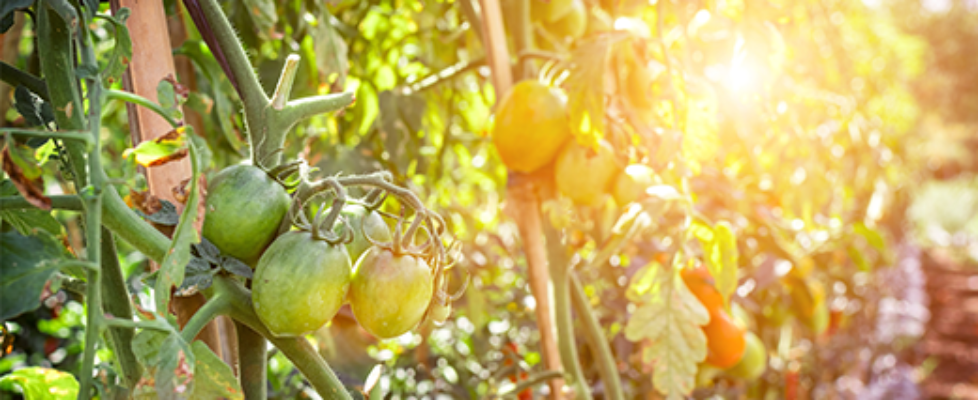
Picture this: juicy, sun-ripened tomatoes bursting with flavor, picked fresh from your own garden. You don't need acres of land to achieve this delicious dream! Fabric pots are revolutionizing home gardening, especially when it comes to cultivating those delectable red orbs we all crave. Ready to ditch the traditional clay or plastic and unlock the secret to growing the best tomatoes ever? Let's dive in!
Why Choose Fabric Pots for Growing Tomatoes?
So, why all the buzz about fabric pots? These breathable containers offer a plethora of advantages over traditional pots, especially when it comes to nurturing tomato plants. From improved drainage to enhanced root health, fabric pots create an optimal environment for your tomatoes to thrive. Let's explore the key benefits:
Superior Drainage and Aeration: The Foundation of Healthy Tomato Plants
One of the most significant benefits of using fabric pots is their exceptional drainage and aeration capabilities. Unlike plastic pots that can become waterlogged, fabric pots allow excess water to escape freely. This prevents root rot, a common killer of tomato plants. The breathable fabric also allows air to circulate around the roots, promoting healthy growth. When the roots are aerated well the tomato plant will have an easier time consuming nutrients from the soil and producing bigger and juicier fruits.
Think of it this way: roots need to breathe just like we do! In a traditional pot, roots can become suffocated by compacted soil and stagnant water. Fabric pots eliminate this problem, creating a more oxygen-rich environment for your tomato plants to flourish. This is crucial for developing a strong root system, which is the foundation of a healthy and productive plant.
Air Pruning: Encouraging a Dense and Efficient Root System
Another fantastic feature of fabric pots is their ability to air prune roots. When roots reach the edge of the fabric pot, they are exposed to air, which causes them to naturally prune themselves. This process encourages the plant to develop more lateral roots, creating a denser and more efficient root system.
A dense root system means your tomato plant can absorb more water and nutrients from the soil. This leads to stronger growth, increased yields, and healthier, more vibrant plants. In contrast, roots in traditional pots tend to circle around the container, becoming root-bound and restricting nutrient uptake. Air pruning is a game-changer that promotes healthy root development and maximizes your tomato plant's potential.
Temperature Regulation: Protecting Your Tomatoes from Extreme Heat
Fabric pots also help regulate soil temperature, protecting your tomato plants from extreme heat. The breathable fabric allows heat to dissipate more effectively than plastic pots, which can trap heat and overheat the soil. This is especially important in hot climates where soil temperatures can soar to damaging levels. Fabric pots keep the roots cooler and promote overall plant health by ensuring that your plants don't get heat stroke.
A study by the University of Arizona showed that soil temperatures in fabric pots were consistently cooler than in plastic pots during the hottest part of the day. This difference in temperature can be significant, especially for heat-sensitive tomato varieties. By using fabric pots, you can create a more stable and comfortable environment for your tomato plants, leading to healthier and more productive growth.
Portability and Space Saving: Grow Tomatoes Anywhere!
Fabric pots are lightweight and portable, making them ideal for gardeners with limited space. Whether you have a small balcony, a patio, or a rooftop garden, fabric pots allow you to grow tomatoes virtually anywhere. You can easily move your plants around to follow the sun or protect them from harsh weather conditions.
The flexibility of fabric pots also makes them a great option for gardeners who like to experiment with different growing locations. You can easily move your plants from one spot to another to find the ideal growing conditions. And when the growing season is over, you can simply fold up the fabric pots and store them away until next year. This makes them a space-saving and convenient option for any gardener.
Choosing the Right Fabric Pot for Your Tomato Plants
Selecting the appropriate fabric pot size is crucial for the successful cultivation of your tomato plants. Here's a guide to help you make the right choice:
Size Matters: Selecting the Ideal Fabric Pot Size for Tomatoes
For determinate (bush) tomato varieties, a 10-gallon fabric pot is generally sufficient. Determinate tomatoes have a compact growth habit and don't require as much space as indeterminate varieties. For indeterminate (vining) tomato varieties, which grow much larger and require staking or caging, a 15-25 gallon fabric pot is recommended. This larger size will provide ample space for the roots to grow and support the plant's vigorous growth.
Consider the mature size of your chosen tomato variety when selecting a fabric pot. Larger varieties will obviously need a larger pot, so always double check the expected mature size before making a choice. A pot that is too small will stunt the growth of your tomato plant and reduce its yield, so err on the side of caution and choose a larger size if you are unsure.
Here's a quick reference table:
| Tomato Variety | Recommended Fabric Pot Size |
|---|---|
| Determinate (Bush) | 10-Gallon |
| Indeterminate (Vining) | 15-25 Gallon |
Material Matters: Choosing the Right Fabric Pot Material
Most fabric pots are made from either felt or non-woven geotextile fabric. Both materials offer excellent drainage and aeration, but there are some subtle differences. Felt pots tend to be more durable and can withstand more wear and tear. Geotextile pots are generally less expensive and may be a better option if you're on a budget.
When choosing a fabric pot material, consider the climate in your area. If you live in a hot climate, opt for a lighter-colored fabric to reflect sunlight and keep the soil cooler. If you live in a cooler climate, a darker-colored fabric can help warm the soil and promote faster growth. The quality of the stitching is also important, especially with repeated use. Reinforce the seams to help the pot last for multiple growing seasons.
Planting and Caring for Tomatoes in Fabric Pots
Once you've chosen the right fabric pot, it's time to plant your tomatoes! Here's a step-by-step guide to help you get started:
Preparing Your Fabric Pot for Planting
Before planting, fill your fabric pot with a high-quality potting mix. Avoid using garden soil, as it can compact and restrict drainage. A well-draining potting mix will provide the ideal environment for your tomato plants to thrive. Mix the soil with a slow-release fertilizer, following the package instructions, to provide your plants with the nutrients they need to grow strong.
For optimal drainage, consider adding a layer of gravel or perlite to the bottom of the fabric pot. This will help prevent water from pooling at the bottom of the pot and causing root rot. Be sure to pre-moisten the potting mix before planting your tomato plant. This will help settle the soil and prevent it from drying out too quickly.
Proper Planting Techniques: Setting Your Tomatoes Up for Success
When planting your tomato seedling, dig a hole in the potting mix that is slightly larger than the root ball. Gently remove the tomato plant from its container and loosen the roots. Place the tomato plant in the hole and backfill with potting mix. Water the plant thoroughly after planting.
Burying a portion of the stem is beneficial for tomato plants, as the buried stem will develop additional roots. This will help your plant absorb more water and nutrients from the soil. If you are planting an indeterminate tomato variety, be sure to provide a sturdy stake or cage for support. Tomato plants are heavy and will require support to prevent them from toppling over. Space the plants approximately 24-36 inches apart if planting in multiple fabric pots.
Watering and Fertilizing: Keeping Your Tomatoes Hydrated and Nourished
Tomatoes in fabric pots tend to dry out more quickly than those in traditional pots, so it's important to water them regularly. Check the soil moisture level daily and water when the top inch of soil feels dry to the touch. Avoid overwatering, as this can lead to root rot.
Tomatoes are heavy feeders and require regular fertilization. Use a balanced fertilizer specifically formulated for tomatoes, following the package instructions. Fertilize every 2-3 weeks during the growing season. Supplement with compost tea, which is a great way to provide your plants with additional nutrients and beneficial microbes. Observe your plants for any signs of nutrient deficiencies, such as yellowing leaves, and adjust your fertilization schedule accordingly.
Sunlight and Support: Providing the Essentials for Growth
Tomatoes need at least 6-8 hours of sunlight per day to thrive. Choose a location that receives ample sunlight throughout the day. If you live in a hot climate, consider providing some afternoon shade to protect your plants from scorching heat.
As your tomato plants grow, they will need support to prevent their stems from breaking under the weight of the fruit. Use stakes, cages, or trellises to provide support. Tie the stems to the support structure using soft plant ties to avoid damaging the stems. Regularly prune your tomato plants to remove suckers, which are small shoots that grow in the crotch between the stem and the branches. Removing suckers will encourage the plant to focus its energy on producing fruit.
Troubleshooting Common Issues When Growing Tomatoes in Fabric Pots
Even with the best care, you may encounter some common issues when growing tomatoes in fabric pots. Here's how to troubleshoot them:
Pests and Diseases: Protecting Your Tomato Plants from Harm
Tomato plants are susceptible to a variety of pests and diseases, including aphids, whiteflies, tomato hornworms, and blight. Regularly inspect your plants for any signs of infestation or disease.
For pest control, consider using organic methods such as insecticidal soap, neem oil, or introducing beneficial insects like ladybugs. For diseases, remove infected leaves promptly and apply a fungicide if necessary. Prevention is key, so be sure to practice good garden hygiene by removing weeds and debris from around your plants. Ensure proper air circulation to prevent fungal diseases from developing. Consider using companion planting to deter pests and diseases. Marigolds, for example, are known to repel nematodes and other harmful insects.
Blossom End Rot: Understanding and Preventing Calcium Deficiency
Blossom end rot is a common problem that causes the bottom of the tomato to rot. This is usually caused by a calcium deficiency. Make sure your soil is well-draining and that you're watering regularly. Add calcium to the soil with eggshells or bone meal.
Blossom end rot is not always caused by a lack of calcium in the soil. It can also be caused by inconsistent watering, which prevents the plant from absorbing calcium properly. To prevent blossom end rot, maintain consistent soil moisture and avoid allowing the soil to dry out completely. Mulch around your plants to help retain moisture and regulate soil temperature. Conduct a soil test to determine the calcium level in your soil. If necessary, amend the soil with lime or gypsum to increase the calcium level.
Sunscald: Protecting Your Tomatoes from Excessive Sunlight
Sunscald occurs when tomatoes are exposed to too much direct sunlight, causing the skin to become scorched and damaged. To prevent sunscald, provide some shade during the hottest part of the day.
If your plants are already experiencing sunscald, try to relocate them to a shadier location or use shade cloth to protect them from the sun. Plant your tomatoes in a location that receives morning sun and afternoon shade. Prune your plants carefully to avoid removing too many leaves, as the leaves provide shade for the fruit. Choose tomato varieties that are less susceptible to sunscald, such as those with dense foliage. Regularly inspect your plants for signs of sunscald, and take action to protect them as needed.
Harvesting and Enjoying Your Homegrown Tomatoes
After all your hard work, the moment you've been waiting for has finally arrived: harvest time! Here's how to know when your tomatoes are ready to pick:
When to Pick: Identifying the Perfect Time to Harvest Your Tomatoes
Tomatoes are typically ready to harvest when they are fully colored and slightly soft to the touch. The color will vary depending on the variety you're growing. Gently twist the tomato from the vine. If it comes off easily, it's ripe.
Harvest your tomatoes in the morning, when the temperatures are cooler. This will help preserve their flavor and freshness. Avoid picking tomatoes that are bruised or damaged. Store your harvested tomatoes at room temperature, away from direct sunlight. Do not refrigerate tomatoes, as this can diminish their flavor and texture.
Extending the Harvest: Tips for a Continuous Supply of Fresh Tomatoes
To extend the harvest season, plant a variety of tomato varieties with different maturity dates. This will ensure that you have a continuous supply of fresh tomatoes throughout the growing season.
Succession planting is another great way to extend the harvest. Start new tomato seedlings every few weeks to ensure a continuous supply of plants. When the weather starts to cool down in the fall, protect your plants from frost by covering them with blankets or plastic sheeting. Harvest any remaining green tomatoes before the first frost and allow them to ripen indoors. Consider growing tomatoes indoors during the winter months to enjoy fresh tomatoes year-round.
Growing tomatoes in fabric pots is a rewarding experience that allows you to enjoy fresh, delicious tomatoes from your own garden. With the right knowledge and care, you can achieve a bountiful harvest and impress your friends and family with your gardening skills. Happy growing!