Imagine vibrant bursts of red cascading from a hanging basket, a miniature tomato vineyard right outside your door. Growing cherry tomatoes in a hanging basket isn't just a charming aesthetic choice; it's a surprisingly practical way to enjoy fresh, homegrown goodness, even if you're short on space. It's easier than you might think, and the rewards are delicious! Growing Cherry Tomatoes in Hanging Baskets: A Complete Guide Growing cherry tomatoes in hanging baskets offers a delightful way to bring fresh produce to even the smallest spaces. Whether you have a sprawling garden or a tiny balcony, the vibrant foliage and sweet, juicy fruits of cherry tomatoes add beauty and flavor to your surroundings. This guide will walk you through every step, from choosing the right basket to harvesting your bountiful crop. Consider these tips your keys to unlocking a cascade of delicious cherry tomatoes right at your fingertips! Why Choose Hanging Baskets fo...
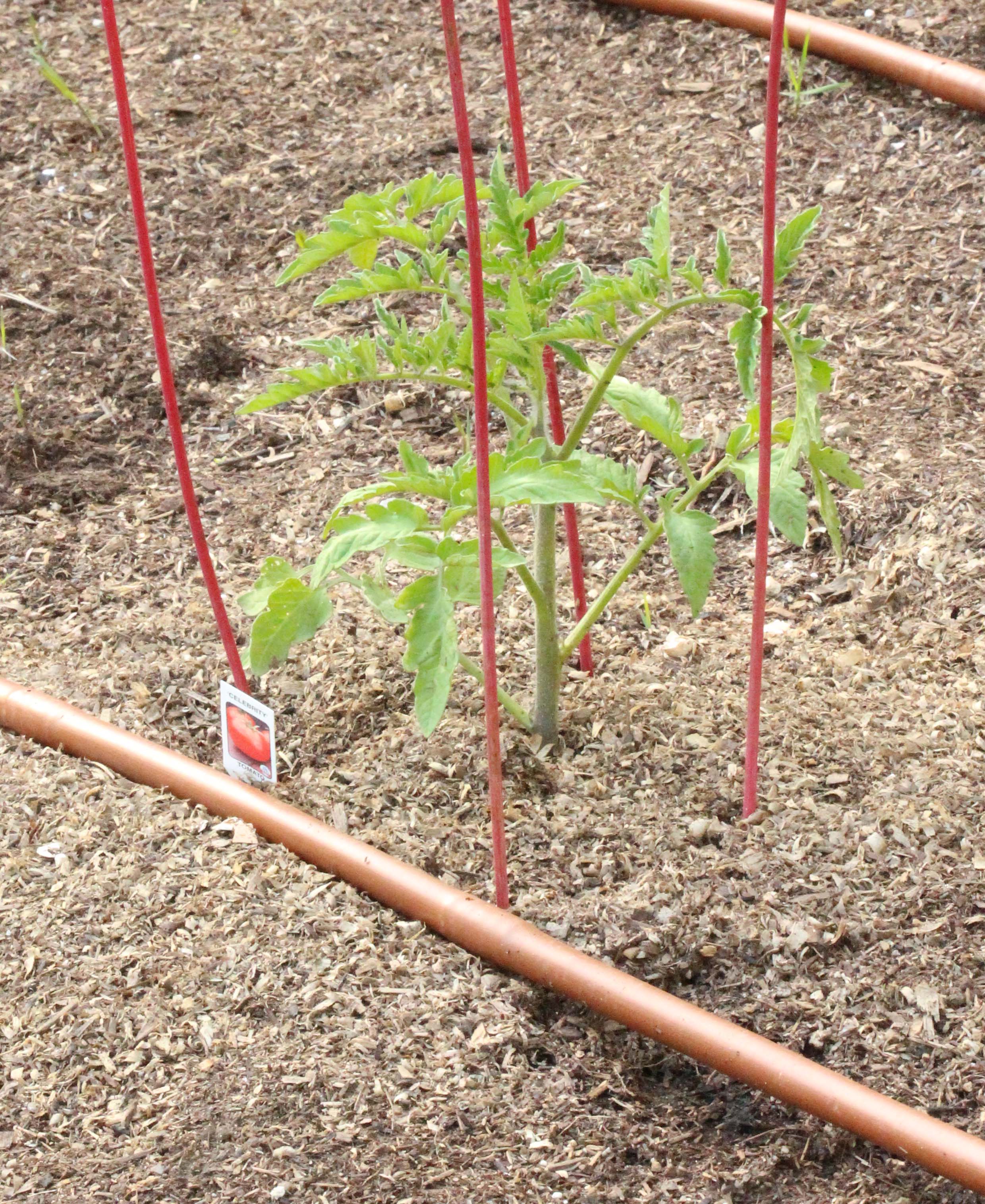
Ah, tomatoes! The jewels of the summer garden. Nothing beats the taste of a sun-ripened tomato, bursting with flavor. But getting those perfect tomatoes takes more than just sunshine and good soil. One of the most crucial aspects of tomato care is proper watering. Get it wrong, and you'll end up with blossom end rot, cracked fruit, or just plain lackluster tomatoes. So, let's dive into the art and science of watering tomatoes in the garden!
Understanding Tomato Watering Needs
Tomatoes are thirsty plants, especially when they're loaded with fruit. However, overwatering is just as detrimental as underwatering. The key is understanding when and how to water your tomato plants to keep them healthy and productive. Factors like weather, soil type, and the stage of the plant's growth all play a role in determining the ideal watering schedule.
The Importance of Consistent Watering for Tomatoes
Consistent watering is paramount for healthy tomato development. Fluctuations in soil moisture can lead to various problems. For example, blossom end rot, a common tomato ailment, is often caused by inconsistent watering, even if the overall soil moisture is adequate. This condition results in a dark, leathery spot on the bottom of the fruit, making it inedible. Beyond blossom end rot, erratic watering can also cause fruit cracking, especially during periods of rapid growth. When the plant suddenly absorbs a large amount of water after a dry spell, the fruit expands too quickly, leading to cracks in the skin. This not only looks unappealing but also creates entry points for pests and diseases. To avoid these issues, it's essential to establish a regular watering routine and stick to it as much as possible.
How Much Water Do Tomatoes Need?
Generally, tomato plants need about 1-2 inches of water per week. This translates to roughly 1-2 gallons of water per plant, depending on its size. During periods of extreme heat or drought, you may need to increase the amount of water you provide. It's better to water deeply and less frequently rather than shallowly and often. Deep watering encourages the roots to grow deeper into the soil, making the plant more resilient to drought conditions.
Here's a simple guide:
- Newly planted seedlings: Water daily for the first week to establish the roots.
- Mature plants (before fruit set): Water every 2-3 days, depending on the weather and soil moisture.
- Fruiting plants: Water deeply every 1-2 days, especially during hot, dry weather.
Remember to adjust your watering schedule based on your local climate and soil type. Sandy soils drain quickly and will require more frequent watering, while clay soils retain moisture for longer periods.
When is the Best Time to Water Tomatoes?
The best time to water your tomato plants is early in the morning. Watering in the morning allows the foliage to dry out during the day, reducing the risk of fungal diseases. Avoid watering in the late afternoon or evening, as this can create a humid environment that encourages the growth of fungal pathogens. Morning watering also allows the plants to absorb the water before the heat of the day causes excessive evaporation. This is particularly important in hotter climates where water can evaporate quickly from the soil surface.
Different Watering Methods for Tomatoes
There are several different methods for watering tomatoes, each with its own advantages and disadvantages. The best method for you will depend on your garden setup, budget, and personal preferences.
Hand Watering
Hand watering is the most basic method and involves using a watering can or hose to water the plants directly. While it's a simple and inexpensive option, it can be time-consuming and labor-intensive, especially if you have a large garden. One advantage of hand watering is that it allows you to target the water directly to the base of the plant, minimizing water waste and reducing the risk of wetting the foliage. However, it's important to avoid spraying the leaves with water, as this can promote fungal diseases.
If you're looking for a versatile and reliable option for hand watering, consider theGarden Hose 75 FT with 10-Function Nozzle. This 75-foot garden hosecomes with a 10-function nozzle, offering different spray patterns for various watering needs. Itsleak-proof metal connector ensures durability, while thekink-free design makes it easy to maneuver around your garden. Plus, it'slighter andwear-resistant, making it a practical choice for any gardener. You can find this practical gardening tool on Amazon:https://amzn.to/3Yv E0Bo.
Soaker Hoses
Soaker hoses are porous hoses that slowly release water directly into the soil. They are an excellent option for watering tomatoes because they deliver water right to the root zone, minimizing water waste and reducing the risk of fungal diseases. Soaker hoses are also relatively easy to install and can be connected to a standard garden hose. To use soaker hoses effectively, bury them a few inches below the soil surface or cover them with mulch. This helps to retain moisture and prevents evaporation. Soaker hoses are particularly beneficial for raised beds and container gardens, where water can drain quickly.
Drip Irrigation
Drip irrigation is considered one of the most efficient watering methods for tomatoes. It delivers water directly to the root zone through a network of tubes and emitters, minimizing water waste and reducing the risk of foliar diseases. Drip irrigation systems can be automated with a timer, making them a convenient option for busy gardeners. They also provide a consistent and even supply of water, which is crucial for healthy tomato growth. While drip irrigation systems require an initial investment, they can save you water and time in the long run. They are especially useful for large gardens and areas with limited water resources.
Tips for Watering Tomatoes Effectively
Here are some additional tips for watering your tomato plants effectively:
- Use mulch: Applying a layer of mulch around your tomato plants helps to retain moisture in the soil, reduce weed growth, and regulate soil temperature. Organic mulches like straw, wood chips, or compost are ideal.
- Monitor soil moisture: Use your finger or a soil moisture meter to check the moisture level in the soil before watering. The top inch or two of soil should be slightly moist to the touch.
- Water deeply: When you water, make sure to saturate the soil thoroughly. This encourages the roots to grow deeper into the soil, making the plant more drought-tolerant.
- Avoid wetting the foliage: Wet foliage can promote fungal diseases. Water at the base of the plant to keep the leaves dry.
- Adjust watering based on weather conditions: During hot, dry weather, you may need to water more frequently. During periods of rain, you may need to reduce or eliminate watering altogether.
- Consider container size: If growing tomatoes in containers, they'll dry out faster than those in the ground. Choose larger containers and monitor moisture levels carefully.
Troubleshooting Common Watering Problems in Tomatoes
Even with the best intentions, watering problems can still arise. Here's how to troubleshoot some common issues:
- Blossom end rot: This is usually caused by inconsistent watering or calcium deficiency. Ensure consistent watering and consider adding calcium to the soil.
- Fruit cracking: This is often caused by sudden changes in soil moisture. Maintain a consistent watering schedule and avoid overwatering after a dry spell.
- Yellowing leaves: Yellowing leaves can be a sign of overwatering or underwatering. Check the soil moisture and adjust your watering schedule accordingly.
- Wilting: Wilting can be caused by underwatering, but it can also be a sign of disease. Check the soil moisture and look for other signs of disease.
Case Study: Comparing Watering Methods
Let's examine a small case study. A gardener grew two rows of identical tomato plants. One row was watered using a traditional overhead sprinkler, and the other using a drip irrigation system. The gardener meticulously tracked water usage and tomato yield. After the growing season, the results were striking:
| Watering Method | Total Water Used (Gallons) | Total Tomato Yield (Pounds) | Fungal Disease Incidence |
|---|---|---|---|
| Overhead Sprinkler | 100 | 25 | High |
| Drip Irrigation | 60 | 35 | Low |
This case study demonstrates the significant advantages of drip irrigation in terms of water conservation, yield, and disease prevention. While the overhead sprinkler wasted a considerable amount of water and promoted fungal growth, the drip irrigation system delivered water efficiently and resulted in a higher tomato yield.
Conclusion
Watering tomatoes correctly is an art and a science. By understanding the water requirements of your tomato plants, choosing the right watering method, and monitoring soil moisture, you can ensure a bountiful harvest of delicious, homegrown tomatoes. So, grab your watering can or set up your drip irrigation system and get ready to enjoy the fruits (or rather, vegetables) of your labor!