Imagine vibrant bursts of red cascading from a hanging basket, a miniature tomato vineyard right outside your door. Growing cherry tomatoes in a hanging basket isn't just a charming aesthetic choice; it's a surprisingly practical way to enjoy fresh, homegrown goodness, even if you're short on space. It's easier than you might think, and the rewards are delicious! Growing Cherry Tomatoes in Hanging Baskets: A Complete Guide Growing cherry tomatoes in hanging baskets offers a delightful way to bring fresh produce to even the smallest spaces. Whether you have a sprawling garden or a tiny balcony, the vibrant foliage and sweet, juicy fruits of cherry tomatoes add beauty and flavor to your surroundings. This guide will walk you through every step, from choosing the right basket to harvesting your bountiful crop. Consider these tips your keys to unlocking a cascade of delicious cherry tomatoes right at your fingertips! Why Choose Hanging Baskets fo...
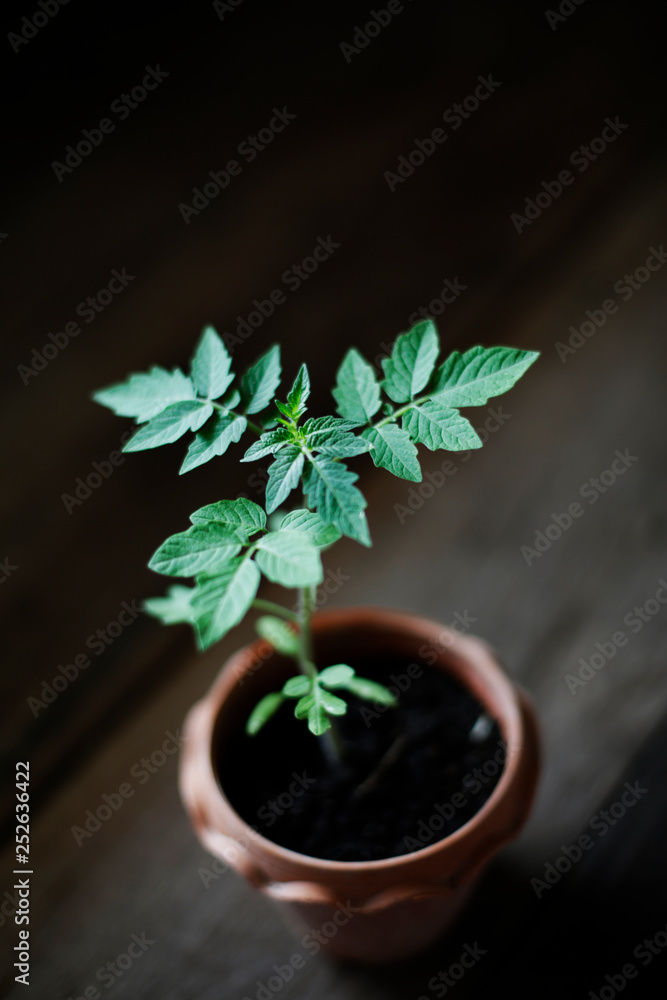
Imagine plucking juicy, sun-ripened tomatoes right from your patio! Growing atomato tree in a pot is not only possible, but it's a rewarding experience that brings the flavors of summer right to your doorstep. Let's explore how to cultivate your own miniature tomato orchard.
Choosing the Right Tomato Variety for a Tomato Tree In Pot
Not all tomatoes are created equal, especially when it comes to container gardening. The best tomato types for growing atomato tree in a pot are determinate or dwarf varieties. These types grow to a specific size and don't require excessive pruning, making them ideal for a confined space. Indeterminate varieties, on the other hand, tend to vine and sprawl, demanding significant support and more space than a pot can typically offer.
Determinate vs. Indeterminate Tomatoes
Understanding the difference between determinate and indeterminate tomato varieties is crucial for success.
- Determinate tomatoes: These are bush-type tomatoes that grow to a fixed size, usually around 3-4 feet tall. They produce most of their fruit at once, making them perfect for canning or processing. Popular determinate varieties suitable for pots include Roma, Celebrity, and Patio.
- Indeterminate tomatoes: These are vining tomatoes that continue to grow and produce fruit throughout the growing season. They require staking or caging to support their growth. Examples include cherry tomatoes, beefsteak, and heirloom varieties. While technically youcouldgrow these in a very large pot, it's generally more challenging.
Top Tomato Varieties for Container Gardening
Here are a few specific recommendations for varieties that thrive when grown as atomato tree in a pot:
- Patio: A classic determinate variety specifically bred for container gardening. It produces abundant clusters of small, flavorful tomatoes.
- Roma: Ideal for sauces and pastes, Roma tomatoes are compact and productive.
- Bush Early Girl: A determinate version of the popular Early Girl, offering early yields of medium-sized tomatoes.
- Tiny Tim: An ultra-compact dwarf variety that produces bite-sized cherry tomatoes, perfect for small spaces.
- Tumbling Tom: Great for hanging baskets and cascading from pots, producing sweet cherry tomatoes.
Potting Mix and Container Selection for Your Tomato Tree In Pot
The right container and potting mix are fundamental to growing healthytomato trees in pots. Tomatoes need well-draining soil and a pot large enough to accommodate their root system.
Choosing the Right Pot Size
A common mistake is selecting a pot that's too small. For most determinate varieties, a 15-20 gallon pot is ideal. Dwarf varieties may do well in 10-gallon pots. Consider these points:
- Drainage: Ensure the pot has adequate drainage holes to prevent waterlogging, which can lead to root rot.
- Material: Terracotta pots offer good aeration, while plastic pots retain moisture better. Choose based on your climate and watering habits.
- Stability: Tomato plants can become top-heavy when laden with fruit. Choose a sturdy pot that won't tip over easily.
Selecting the Ideal Potting Mix
Using garden soil in containers is generally not recommended, as it can become compacted and poorly drained. Opt for a high-quality potting mix specifically formulated for containers. Look for a mix that contains:
- Peat moss or coco coir: To retain moisture.
- Perlite or vermiculite: To improve drainage and aeration.
- Compost or aged manure: To provide essential nutrients.
You can also amend your potting mix with slow-release fertilizer to provide a steady supply of nutrients throughout the growing season. A soil p H between 6.0 and
6.8 is ideal for tomatoes.
Planting and Care of Your Potted Tomato Tree
Once you've chosen your variety, container, and potting mix, it's time to plant yourtomato tree in a pot and provide the care it needs to thrive.
Planting Your Tomato Seedling
When planting your tomato seedling, follow these steps:
- Fill the pot with potting mix, leaving a few inches of space at the top.
- Gently remove the tomato seedling from its nursery pot.
- Plant the seedling slightly deeper than it was in the original pot. Tomatoes can develop roots along their stems, so burying a portion of the stem can encourage a stronger root system.
- Water thoroughly after planting.
Providing Sunlight, Water, and Nutrients
Tomatoes need at least 6-8 hours of direct sunlight per day. Place your potted tomato plant in a sunny location, such as a patio or balcony. Regular watering is crucial, especially during hot weather. Water deeply when the top inch of soil feels dry to the touch. Avoid overwatering, as this can lead to root rot. Fertilize your tomato plant every 2-3 weeks with a balanced fertilizer specifically formulated for tomatoes. You might want to look into a newgarden hose 75 FT with 10-Function Nozzle, Leak-proof Metal Connector Water Hose, No Knots, Kink-Free, Lighter, Anti-Pets, Wear-Resistant, 3/4 GHT, Metal Hose for Garden, Yard, Outdoor from Amazon to help with your watering needs, a reliable watering hose like this one: https://amzn.to/3Yv E0Bo, could be a game changer.
Pruning and Supporting Your Tomato Tree In Pot
While determinate tomatoes require less pruning than indeterminate varieties, some pruning may still be necessary to improve air circulation and prevent disease. Remove any suckers that grow between the main stem and branches. Provide support for your tomato plant using a stake or cage, especially as it begins to produce fruit.
Dealing with Pests and Diseases
Tomatoes are susceptible to various pests and diseases, such as aphids, whiteflies, tomato hornworms, and blight. Regularly inspect your plants for signs of infestation or disease. Use organic pest control methods, such as insecticidal soap or neem oil, to control pests. Ensure good air circulation and avoid overhead watering to prevent fungal diseases. Remove any infected leaves or plants immediately.
Harvesting and Enjoying Your Homegrown Tomatoes
The ultimate reward of growing atomato tree in a pot is harvesting and enjoying your own homegrown tomatoes. Tomatoes are typically ready to harvest when they are fully colored, slightly soft to the touch, and easily detach from the vine. Gently twist the tomato from the stem to avoid damaging the plant.
Extending the Growing Season
To extend your tomato growing season, consider these tips:
- Start seeds indoors: Start your tomato seeds indoors 6-8 weeks before the last expected frost.
- Use row covers: Protect your plants from frost and cold weather with row covers.
- Move pots indoors: If frost threatens, move your potted tomato plants indoors to a sunny location.
Growing atomato tree in a pot is a fulfilling and delicious project. With the right variety, container, potting mix, and care, you can enjoy fresh, homegrown tomatoes all season long!