Imagine vibrant bursts of red cascading from a hanging basket, a miniature tomato vineyard right outside your door. Growing cherry tomatoes in a hanging basket isn't just a charming aesthetic choice; it's a surprisingly practical way to enjoy fresh, homegrown goodness, even if you're short on space. It's easier than you might think, and the rewards are delicious! Growing Cherry Tomatoes in Hanging Baskets: A Complete Guide Growing cherry tomatoes in hanging baskets offers a delightful way to bring fresh produce to even the smallest spaces. Whether you have a sprawling garden or a tiny balcony, the vibrant foliage and sweet, juicy fruits of cherry tomatoes add beauty and flavor to your surroundings. This guide will walk you through every step, from choosing the right basket to harvesting your bountiful crop. Consider these tips your keys to unlocking a cascade of delicious cherry tomatoes right at your fingertips! Why Choose Hanging Baskets fo...
Imagine plump, juicy tomatoes bursting from your container garden, a vibrant testament to your green thumb. But achieving that picture-perfect harvest requires a bit more than just planting and watering, especially when you're dealing with indeterminate tomato varieties. Enter the art and science of pruning! Don't let the word "pruning" intimidate you; it's simply a way to guide your tomato plants toward abundant fruit production. Let's get started on the journey to a bountiful tomato harvest, one carefully snipped sucker at a time!
Understanding Indeterminate Tomatoes and Container Gardening
Before we dive into the specifics of pruning, let's make sure we're all on the same page about what exactly we're dealing with.Indeterminate tomatoes are vining types that continue to grow and produce fruit throughout the growing season. Unlike determinate (bush) tomatoes, which grow to a set size and produce all their fruit at once, indeterminate varieties need support like stakes or cages and benefit significantly from regular pruning. Think of them as marathon runners versus sprinters in the tomato world.
Growing tomatoes in containers presents its own set of challenges and advantages. On one hand, space is limited, meaning resources like nutrients, water, and sunlight are also more constrained. On the other hand, containers offer portability and allow you to control the growing environment to a greater extent. Choosing the right container size is paramount. Aim for at least a 10-gallon container, and preferably larger (15-20 gallons), for indeterminate varieties. This provides ample room for root development, which is crucial for supporting vigorous growth and heavy fruit production.
Consider these factors when selecting your containers:
Material: Plastic, terracotta, and fabric pots are all viable options. Plastic is lightweight and retains moisture well, while terracotta is porous and allows for better airflow. Fabric pots offer excellent drainage and aeration. Drainage: Ensure your container has adequate drainage holes to prevent waterlogging, which can lead to root rot. Stability:Choose a container that is sturdy enough to support the weight of a mature tomato plant loaded with fruit.
Why Prune Indeterminate Tomatoes in Containers?
Pruning indeterminate tomatoes in containers isn't just an optional task; it's a crucial practice for maximizing your yield and maintaining healthy plants. Here's why it's so important:
Improved Air Circulation: Pruning opens up the plant's canopy, allowing for better air circulation. This reduces the risk of fungal diseases like early blight and Septoria leaf spot, which thrive in humid conditions. Proper air circulation also dries the leaves faster, minimizing the chances of disease spores taking hold. Increased Sunlight Penetration: A dense, overgrown tomato plant can shade itself, preventing sunlight from reaching the developing fruit. Pruning removes excess foliage, ensuring that the tomatoes receive the sunlight they need to ripen properly. Sunlight is key to sweetness and flavor development in tomatoes. Enhanced Fruit Production: By removing suckers (more on those later!), you're redirecting the plant's energy from vegetative growth (leaves and stems) to fruit production. This results in larger, more abundant, and earlier ripening tomatoes. Easier Management: Pruned tomato plants are easier to manage and harvest. You can easily access the fruits without having to wade through a tangled mess of foliage. Prevent Overcrowding:Container gardens have limited space, and pruning helps keep the plants manageable and prevent them from outcompeting each other for resources. Overcrowding also reduces air flow and increases the risk of disease.
Identifying Suckers: The Key to Pruning
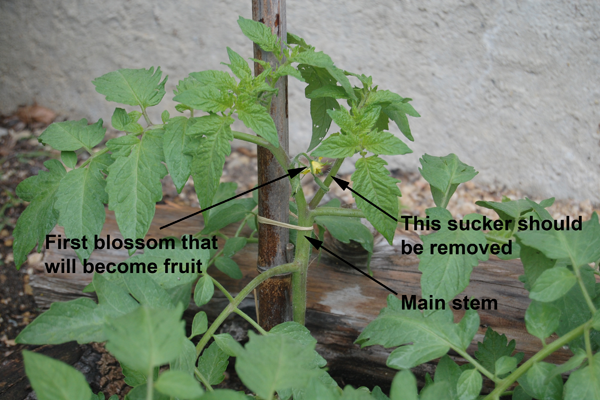
The most important aspect of pruning indeterminate tomatoes involves identifying and removingsuckers. Suckers are small shoots that grow in the "armpit" where a branch (or fruit bearing stem) meets the main stem. They emerge at a 45-degree angle. If left unchecked, suckers will develop into full-fledged stems, producing their own leaves, flowers, and eventually, more tomatoes. However, these extra stems consume valuable energy and resources that could otherwise be directed towards ripening the existing fruit.
Here's how to spot a sucker:
Look for a shoot growing at a 45 degree angle between the main stem and a branch.
Suckers typically emerge early in the season.
They often have a different appearance than the main stem or branches.
Distinguishing suckers from flower clusters is also important. Flower clusters are the stems that eventually grow into the tomatoes, and they have a different formation than suckers, so you definitely want to leave them alone. Sometimes, it can be hard to know which one to remove, so it’s best to leave it on rather than risk removing a valuable part of the plant.
Pruning Techniques for Container Tomatoes
Now that you know what suckers are, let's get down to the nitty-gritty of pruning. There are several different approaches you can take, but the most common for container tomatoes is thesingle-stem pruning method.
Single-Stem Pruning:This method involves removing all suckers as soon as they appear, allowing the plant to focus all its energy on a single main stem. This method is ideal for containers, as it maximizes fruit production in a limited space. You'll need to provide support for the main stem using a stake, cage, or trellis.
Here's a step-by-step guide to single-stem pruning:
1.Start Early: Begin pruning your tomato plants as soon as the suckers are large enough to handle, typically when they are a few inches long.
2.Identify Suckers: Locate the suckers growing in the armpits of the plant.
3.Remove Suckers: Using clean, sharp pruning shears or your fingers, gently snap or cut off the suckers close to the main stem. Avoid tearing the stem, as this can create an entry point for diseases.
4.Repeat Regularly: Check your tomato plants every few days and remove any new suckers that have emerged. Consistency is key to maintaining a single-stem structure.
Another method, more relaxed is calledModified Pruning. This approach allows a few suckers to develop into secondary stems. This can increase overall yield but requires more space and may lead to smaller fruits. It's a good option if you have a larger container and are willing to sacrifice some fruit size for increased quantity.
Some tips for modified pruning:
1.Select a Few Suckers: Choose 2-3 of the strongest suckers to allow to develop into secondary stems.
2.Pinch the Growing Tips: Pinching the growing tips of the secondary stems encourages branching and fruit production.
3.Provide Support: Provide adequate support for the additional stems using stakes, cages, or trellises.
4.Monitor Growth: Keep a close eye on the plant's growth and remove any excessive foliage to maintain good air circulation.
No matter which method you use, always use clean and sharp pruning tools, and only prune on dry days to prevent the spread of diseases. Clean your pruning shears with a solution of 1 part bleach to 9 parts water between plants to prevent spreading any potential disease. This step is especially important if you suspect that one of your plants is infected with a disease.
Additional Tips for Container Tomato Success
Pruning is just one piece of the puzzle when it comes to growing thriving tomatoes in containers. Here are some additional tips to ensure a bountiful harvest:
Sunlight: Tomatoes need at least 6-8 hours of direct sunlight per day. Choose a location that receives plenty of sunshine. Watering: Water deeply and regularly, especially during hot weather. Aim to keep the soil consistently moist but not waterlogged. Check the moisture level by sticking your finger into the soil about an inch deep. Fertilizing: Feed your tomato plants with a balanced fertilizer every 2-3 weeks. Look for a fertilizer specifically formulated for tomatoes or vegetables. Support: Provide adequate support for your tomato plants using stakes, cages, or trellises. This will prevent the stems from breaking under the weight of the fruit. Mulching: Apply a layer of mulch around the base of the plants to help retain moisture, suppress weeds, and regulate soil temperature. Pest and Disease Control: Monitor your plants regularly for signs of pests or diseases. Take action promptly to prevent problems from escalating. Pollination:While tomatoes are self-pollinating, you can encourage pollination by gently shaking the plants or using a small brush to transfer pollen from one flower to another.
Investing in a good watering system is crucial for container gardening. Consider getting aGarden Hose 75 FT with 10-Function Nozzle, which offers a leak-proof metal connector and kink-free design. This durable water hose is ideal for watering your container tomatoes and other plants in your garden. You can find it here:https://amzn.to/3Yv E0Ba.
Troubleshooting Common Pruning Mistakes
Even with the best intentions, mistakes can happen. Here are some common pruning errors and how to avoid them:
Pruning too late in the season: Pruning too late in the season can delay fruit ripening and reduce your overall yield. Start pruning early and continue throughout the growing season. Removing too much foliage: Removing too much foliage can weaken the plant and reduce its ability to photosynthesize. Only remove the suckers and any yellowing or diseased leaves. Using dull or dirty pruning tools: Dull pruning tools can damage the stems and create entry points for diseases. Always use sharp, clean tools. Ignoring the plant's overall health: Don't focus solely on pruning. Pay attention to the plant's overall health and address any issues with watering, fertilizing, or pest control.
The Rewarding Results of Pruning Indeterminate Tomatoes in Containers
Pruning indeterminate tomatoes in containers might seem daunting at first, but it's a rewarding practice that will lead to a healthier, more productive garden. By understanding the principles of pruning, using the right techniques, and avoiding common mistakes, you'll be well on your way to harvesting a bountiful crop of delicious, homegrown tomatoes. So, grab your pruning shears, get out into your garden, and start snipping your way to tomato success!