Imagine vibrant bursts of red cascading from a hanging basket, a miniature tomato vineyard right outside your door. Growing cherry tomatoes in a hanging basket isn't just a charming aesthetic choice; it's a surprisingly practical way to enjoy fresh, homegrown goodness, even if you're short on space. It's easier than you might think, and the rewards are delicious! Growing Cherry Tomatoes in Hanging Baskets: A Complete Guide Growing cherry tomatoes in hanging baskets offers a delightful way to bring fresh produce to even the smallest spaces. Whether you have a sprawling garden or a tiny balcony, the vibrant foliage and sweet, juicy fruits of cherry tomatoes add beauty and flavor to your surroundings. This guide will walk you through every step, from choosing the right basket to harvesting your bountiful crop. Consider these tips your keys to unlocking a cascade of delicious cherry tomatoes right at your fingertips! Why Choose Hanging Baskets fo...
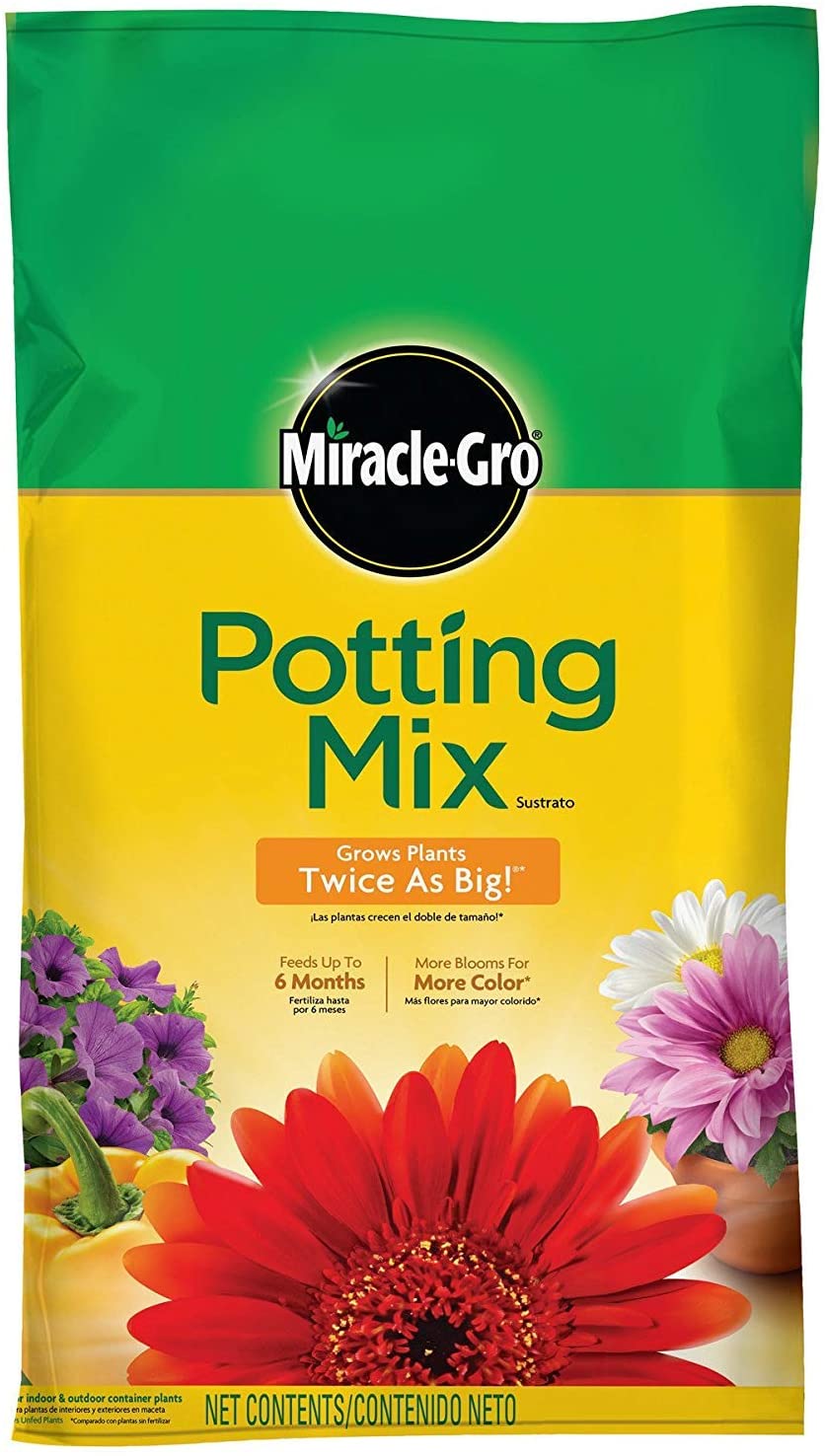
There's nothing quite like biting into a juicy, sun-ripened tomato you've grown yourself. Imagine the satisfaction of nurturing a tiny seedling into a bountiful producer, right on your patio or balcony! Growing tomatoes in containers is easier than you might think, and it all starts with the right potting mix. Let's delve into the secrets of achieving tomato-growing success with container gardening.
Choosing the Right Potting Soil for Your Container Tomatoes
The foundation of any successful container garden, especially when growing delicious tomatoes, is the potting soil you choose. Unlike garden soil, which is often too dense and compact for containers, potting soil is specifically formulated to provide the ideal environment for roots to thrive. This is crucial forcontainer tomatoes, as their root systems are confined to a limited space. The correct potting soil for tomatoes in containersmust balance drainage, aeration, and nutrient retention, all essential elements for healthy tomato growth. So, what makes a potting mix perfect for those flavorful container grown tomatoes?
Understanding Potting Soil Components
Potting soil isn't actually "soil" at all! It's a carefully crafted blend of ingredients designed to create the ideal growing medium. Here's a breakdown of the common components and why they're important:
Peat Moss or Coco Coir: These materials provide excellent water retention and aeration. Peat moss is a traditional choice, but coco coir, made from coconut husks, is a more sustainable alternative. Perlite or Vermiculite: These volcanic or mineral materials improve drainage and aeration. Perlite looks like tiny white pebbles, while vermiculite is a lightweight, mica-like mineral. Compost: This organic matter adds nutrients and beneficial microbes to the potting mix, enriching the soil and feeding your plants. Fertilizer: Many potting mixes come pre-fertilized with slow-release granules, providing a steady supply of nutrients over time.
Different brands and types ofpotting soil for container tomatoes may contain varying ratios of these ingredients. Look for mixes specifically labeled for use in containers, as these are typically formulated for optimal drainage and aeration. Avoid using garden soil in containers; it compacts easily, restricts root growth, and can harbor pests and diseases.
Why Drainage is Critical
Good drainage is paramount when growing tomatoes in containers. Overwatering is a common mistake that can lead to root rot, a fungal disease that can quickly kill your plants. The correctpotting mix for container tomatoes allows excess water to drain away quickly, preventing waterlogging. This also ensures that the roots have access to oxygen, which is essential for respiration and nutrient uptake.
Consider the following to improve drainage in yourtomato potting soil container setup:
Choose containers with drainage holes.
Add a layer of gravel or small stones to the bottom of the container (though this practice is debated, as it can raise the perched water table).
Use a lightweight potting mix formulated for containers.
Choosing the Right Container for Your Tomato Plants
Selecting the appropriate container is just as important as selecting the properpotting soil tomatoes container. Tomato plants need ample space for their roots to grow, and a container that's too small will stunt their growth and reduce fruit production. The ideal size depends on the type of tomato you're growing.
Determining the Ideal Container Size
Here's a general guideline for container sizes:
Determinate Tomatoes: These tomatoes grow to a specific size and produce all their fruit at once. A 10-15 gallon container is usually sufficient. Indeterminate Tomatoes: These tomatoes continue to grow and produce fruit throughout the season. They require a larger container, typically 20 gallons or more.
Larger containers offer several advantages:
More room for root growth.
Better water retention, reducing the frequency of watering.
Greater stability, preventing the plant from tipping over when laden with fruit.
Consider the material of the container as well. Plastic containers are lightweight and inexpensive, while terracotta pots are more attractive and allow for better aeration. However, terracotta pots dry out more quickly, so you may need to water more frequently. Fabric pots, also known as grow bags, are an excellent option for tomatoes. They provide excellent drainage and aeration, and they're lightweight and easy to move.
Container Materials and their Impact on Potting Soil
The material of your container influences thepotting soil tomatoes container environment. Here's how:
Plastic: Retains moisture well, leading to less frequent watering. Can heat up in direct sunlight, potentially affecting root temperature. Terracotta: Porous material, allowing for better aeration but quicker drying. Keeps roots cooler than plastic in hot weather. Fabric (Grow Bags):Excellent aeration and drainage, preventing overwatering. Requires more frequent watering than plastic or terracotta.
No matter which material you choose, ensure the container has adequate drainage holes to prevent waterlogging of thepotting soil and subsequent root rot in yourcontainer tomatoes.
Planting and Growing Tomatoes in Containers
Once you've chosen the right potting soil and container, it's time to plant your tomato seedlings. Follow these steps for a successful planting:
Step-by-Step Planting Guide
1.Fill the container with potting soil: Leave a few inches of space at the top.
2.Dig a hole: Make it deep enough to accommodate the root ball of the seedling.
3.Remove the seedling from its container: Gently loosen the roots if they're tightly packed.
4.Plant the seedling: Bury the stem up to the first set of leaves. This encourages the plant to develop more roots along the buried stem.
5.Water thoroughly: Saturate the potting soil until water drains from the bottom of the container.
6.Add a stake or cage: Provide support for the plant as it grows.
7.Mulch the surface: Use organic mulch, such as straw or wood chips, to help retain moisture and suppress weeds.
Caring for Your Container Tomatoes
After planting, provide your tomato plants with the care they need to thrive:
Watering: Water deeply whenever the top inch of soil feels dry. Avoid overwatering, which can lead to root rot. Fertilizing: Feed your plants regularly with a balanced fertilizer specifically formulated for tomatoes. Follow the instructions on the fertilizer label. Sunlight: Tomatoes need at least 6-8 hours of sunlight per day. Place your containers in a sunny location. Pruning: Prune suckers (small shoots that grow between the main stem and branches) to encourage fruit production. Pest and Disease Control: Monitor your plants regularly for pests and diseases. Take action promptly to prevent problems from spreading. Rotating: Gently rotate your plants to ensure all sides get adequate sunlight, leading to even growth.
Troubleshooting Common Issues
Even with the best care, you may encounter some challenges when growing tomatoes in containers. Here are some common issues and how to address them:
Blossom End Rot: This is caused by a calcium deficiency. Ensure your potting soil has adequate calcium, and water consistently to prevent fluctuations in moisture levels. You can also add a calcium supplement to the soil. Leaf Curl: This can be caused by various factors, including heat stress, overwatering, or nutrient deficiencies. Ensure your plants are getting adequate water and nutrients, and provide shade during the hottest part of the day. Pests:Common tomato pests include aphids, whiteflies, and tomato hornworms. Use insecticidal soap or neem oil to control these pests.
Enhancing Tomato Growth in Containers
To really maximize your tomato harvest frompotting soil tomatoes container, consider these advanced techniques:
Companion Planting
Certain plants can enhance the growth of tomatoes when planted nearby. Here are some beneficial companion plants:
Basil: Repels tomato hornworms and whiteflies. Marigolds: Repel nematodes and other soil pests. Garlic:Repels aphids and other insects.
Avoid planting tomatoes near brassicas (such as cabbage and broccoli), as they can compete for nutrients.
Vertical Gardening
Maximize your space by growing tomatoes vertically. Use trellises, cages, or hanging baskets to support the plants and keep the fruit off the ground. Vertical gardening also improves air circulation, reducing the risk of disease.
Speaking of tending to your garden, have you ever wished for a more convenient and efficient way to water your plants? Check out the75 FT Garden Hose with a 10-Function Nozzle. It's designed to be leak-proof, kink-free, and lightweight, making watering your container garden a breeze. With its durable construction and versatile nozzle, you can easily reach all your plants without the hassle of tangles or leaks. You can find it here:https://amzn.to/3Yv E0Bo.
The Importance of Sunlight and Location
Sunlight is like food for tomato plants. Without sufficient sunlight, they will not thrive. Aim for at least six to eight hours of direct sunlight per day for your container tomatoes. If you live in an area with intense summer heat, provide some afternoon shade to prevent sunscald on the fruit. Choose a location for your containers that is protected from strong winds, which can damage the plants.
By choosing the right potting soil, container, and providing proper care, you can enjoy a bountiful harvest of delicious, homegrown tomatoes, even if you only have a small space to work with. Happy gardening!