Imagine vibrant bursts of red cascading from a hanging basket, a miniature tomato vineyard right outside your door. Growing cherry tomatoes in a hanging basket isn't just a charming aesthetic choice; it's a surprisingly practical way to enjoy fresh, homegrown goodness, even if you're short on space. It's easier than you might think, and the rewards are delicious! Growing Cherry Tomatoes in Hanging Baskets: A Complete Guide Growing cherry tomatoes in hanging baskets offers a delightful way to bring fresh produce to even the smallest spaces. Whether you have a sprawling garden or a tiny balcony, the vibrant foliage and sweet, juicy fruits of cherry tomatoes add beauty and flavor to your surroundings. This guide will walk you through every step, from choosing the right basket to harvesting your bountiful crop. Consider these tips your keys to unlocking a cascade of delicious cherry tomatoes right at your fingertips! Why Choose Hanging Baskets fo...
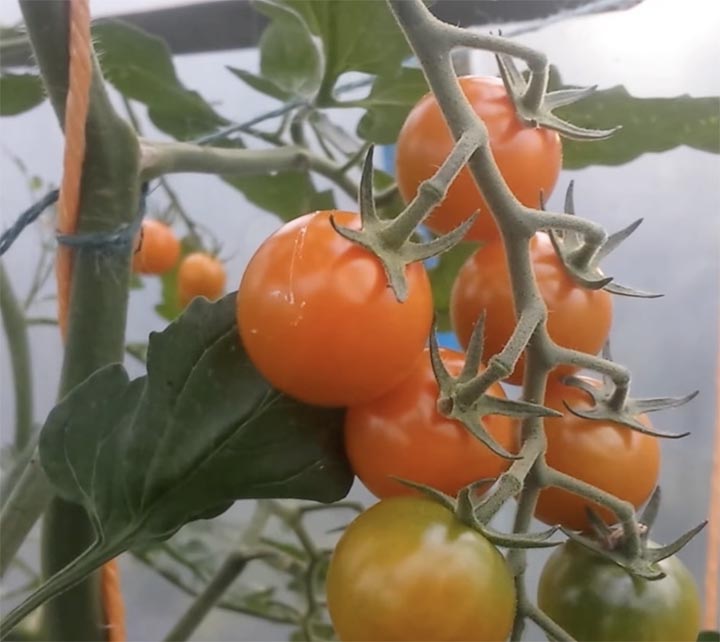
Is there anything better than the sweet, burst-in-your-mouth flavor of a sun-ripened tomato, especially when it's a golden gem like the Sungold? If you're dreaming of enjoying baskets overflowing with these delightful treats, then let's get started on a journey to successfully plant and grow your very own Sungold tomato plants!
Planting Sungold Tomatoes: Your Guide to Golden Goodness
Sungold tomatoes are a hybrid variety known for their exceptional sweetness, vibrant color, and prolific yields. They are a favorite among gardeners and foodies alike. But to achieve that amazing flavor and abundant harvest, you need to give them the right start. This guide provides a complete walkthrough of how to plant Sungold tomatoes, from seed starting to transplanting and beyond.
Getting Started: Seeds vs. Seedlings for Planting Sungold Tomatoes
You have two main options when it comes to starting your Sungold tomato adventure: starting from seeds or purchasing seedlings from a local nursery or garden center. Both have their pros and cons, and the best choice for you will depend on your experience, resources, and timeline.
Starting Sungold Tomatoes from Seeds: A Labor of Love
Starting from seeds gives you complete control over the entire growing process. You get to choose the exact variety (ensuring it's a true Sungold!), and you'll likely save money in the long run. However, it requires more time, effort, and specialized equipment. You'll need seed starting trays, a good seed starting mix, and grow lights to provide the young seedlings with adequate light.
Here's a breakdown of the seed starting process:
- Timing is Key: Start your seeds indoors 6-8 weeks before the last expected frost in your area. Use online resources or your local agricultural extension office to find the average last frost date.
- Sowing the Seeds: Fill your seed starting trays with a sterile seed starting mix. Sow the seeds about ¼ inch deep, and gently water them.
- Providing Warmth and Light: Keep the trays in a warm location (70-75°F) and provide ample light. Grow lights are highly recommended, as they provide consistent, high-quality light that is essential for healthy seedling development.
- Watering and Feeding: Keep the soil consistently moist, but not soggy. Once the seedlings have developed their first true leaves (not the initial seed leaves), you can begin feeding them with a diluted liquid fertilizer specifically formulated for seedlings.
- Hardening Off: Before transplanting your seedlings outdoors, you need to "harden them off." This process gradually acclimates the plants to outdoor conditions, reducing the risk of shock. Over a period of 7-10 days, gradually expose the seedlings to longer periods of outdoor sunlight and cooler temperatures.
Buying Seedlings: A Quick Start to Planting Sungold Tomatoes
Purchasing seedlings from a reputable nursery is a convenient option, especially for beginner gardeners. It saves you time and effort, and you can be confident that you're getting healthy, well-established plants. However, it can be more expensive, and you have less control over the specific variety and growing conditions.
When selecting seedlings, look for the following:
- Healthy Green Leaves: Avoid plants with yellowing, spotted, or wilting leaves.
- Sturdy Stems: The stems should be thick and strong, not leggy or weak.
- Well-Developed Root System: Gently check the root system by removing the plant from its container. The roots should be white or cream-colored and plentiful, without being root-bound (densely circling the inside of the pot).
- Proper Labeling: Ensure that the plant is clearly labeled as a Sungold tomato.
No matter where you are in the garden, you can always find a use for a reliable garden hose. If you are looking for a dependable tool for your garden, consider this 75 FT Garden Hose with a 10-Function Nozzle, which is designed to be leak-proof, kink-free, and wear-resistant. It also includes metal connectors for durability. It is a perfect fit for a wide range of gardening needs, and you can find it here: https://amzn.to/3Yv E0Bo.
Preparing the Soil for Planting Sungold Tomatoes
Sungold tomatoes thrive in well-drained, fertile soil with a slightly acidic p H (6.0-6.8). Proper soil preparation is crucial for healthy growth and abundant yields. Before planting, amend the soil with plenty of organic matter, such as compost, aged manure, or peat moss. This will improve drainage, aeration, and nutrient retention. It's recommended that you perform a soil test to determine the current p H and nutrient levels of your garden soil, so you can amend it appropriately.
Here's a step-by-step guide to preparing your soil:
- Choose a Sunny Location: Sungold tomatoes need at least 6-8 hours of direct sunlight per day.
- Clear the Area: Remove any weeds, rocks, or debris from the planting area.
- Amend the Soil: Spread a 2-4 inch layer of organic matter over the soil surface.
- Till or Dig: Incorporate the organic matter into the soil by tilling or digging to a depth of 12-18 inches.
- Test the Soil: Use a soil testing kit or send a sample to a lab to determine the p H and nutrient levels.
- Adjust the p H (if necessary): If the soil is too acidic, add lime. If it's too alkaline, add sulfur. Follow the instructions on the product label.
- Add Fertilizer (if necessary): Based on the soil test results, add a balanced fertilizer (e.g., 10-10-10) to provide the essential nutrients for tomato growth.
The Planting Process: Putting Your Sungold Tomatoes in the Ground
Once the soil is prepared and the danger of frost has passed, it's time to plant your Sungold tomato seedlings. Choose a calm, cloudy day to minimize stress on the plants.
Here's how to plant Sungold tomatoes:
- Dig the Holes: Dig holes that are slightly larger than the root ball of the seedlings. Space the holes 2-3 feet apart, depending on whether you plan to stake or cage your plants.
- Add Some Goodies: Before planting, add a handful of compost or a slow-release fertilizer to the bottom of each hole. This will give the plants a boost of nutrients as they establish their roots.
- Remove the Seedlings: Gently remove the seedlings from their containers, being careful not to damage the roots. If the roots are circling the inside of the pot, gently loosen them before planting.
- Plant Deep: Plant the seedlings deeper than they were growing in their containers, burying the bottom set of leaves. This encourages the development of more roots along the buried stem, resulting in a stronger, more productive plant.
- Backfill and Water: Backfill the holes with soil, gently firming it around the plants. Water thoroughly to settle the soil and provide moisture to the roots.
- Mulch: Apply a layer of mulch around the base of the plants to help retain moisture, suppress weeds, and regulate soil temperature. Straw, hay, wood chips, or shredded leaves are all good mulching options.
Caring for Your Sungold Tomato Plants After Planting
After planting, your Sungold tomato plants will need consistent care to thrive. This includes watering, fertilizing, pruning, and providing support.
Watering
Water deeply and regularly, especially during hot, dry weather. Aim to provide at least 1 inch of water per week. Water at the base of the plants to avoid wetting the foliage, which can lead to fungal diseases. Drip irrigation or soaker hoses are excellent ways to water tomatoes efficiently.
Fertilizing
Fertilize your Sungold tomato plants every 2-3 weeks with a balanced fertilizer or a fertilizer specifically formulated for tomatoes. Follow the instructions on the product label. Avoid over-fertilizing, as this can lead to excessive foliage growth at the expense of fruit production.
Pruning
Pruning can improve air circulation, reduce disease risk, and encourage fruit production. Remove suckers (the small shoots that grow between the main stem and the branches) to direct the plant's energy towards fruit development. You can also prune the lower leaves of the plant to improve air circulation and prevent soil-borne diseases.
Staking or Caging
Sungold tomatoes are indeterminate, meaning they will continue to grow and produce fruit throughout the growing season. They require support to keep the plants upright and prevent the fruit from touching the ground. Stakes, cages, or trellises are all effective options. Install the support system when you plant the seedlings to avoid disturbing the roots later.
Here's a comparison of staking vs. caging:
| Feature | Staking | Caging |
|---|---|---|
| ----------------- | --------------------------------------------- | ----------------------------------------------- |
| Support | Single stake per plant | Wire or metal cage around the plant |
| Pruning | Requires more pruning to manage growth | Requires less pruning |
| Air Circulation | Better air circulation due to pruning | Can have poorer air circulation if overgrown |
| Fruit Protection | Less protection from sunscald and pests | Better protection from sunscald and pests |
| Cost | Lower initial cost | Higher initial cost |
| Maintenance | Requires more frequent tying and pruning | Requires less maintenance |
Dealing with Pests and Diseases
Sungold tomatoes are susceptible to various pests and diseases. Regularly inspect your plants for signs of trouble, such as leaf damage, wilting, or fruit spots. Common tomato pests include aphids, tomato hornworms, and whiteflies. Diseases include early blight, late blight, and blossom-end rot. Use organic pest control methods and disease-resistant varieties whenever possible. Copper fungicide and Bacillus thuringiensis (Bt) are two common organic controls.
Harvesting Your Golden Treasures
Sungold tomatoes are ready to harvest when they turn a vibrant golden-orange color and are slightly soft to the touch. They are incredibly sweet and flavorful when fully ripe. Pick them gently, being careful not to damage the plants. Sungold tomatoes can be stored at room temperature for a few days or in the refrigerator for up to a week.
Planting Sungold tomatoes can be incredibly rewarding, bringing you fresh, sweet, and delicious tomatoes right from your garden. Enjoy your harvest!