Imagine vibrant bursts of red cascading from a hanging basket, a miniature tomato vineyard right outside your door. Growing cherry tomatoes in a hanging basket isn't just a charming aesthetic choice; it's a surprisingly practical way to enjoy fresh, homegrown goodness, even if you're short on space. It's easier than you might think, and the rewards are delicious! Growing Cherry Tomatoes in Hanging Baskets: A Complete Guide Growing cherry tomatoes in hanging baskets offers a delightful way to bring fresh produce to even the smallest spaces. Whether you have a sprawling garden or a tiny balcony, the vibrant foliage and sweet, juicy fruits of cherry tomatoes add beauty and flavor to your surroundings. This guide will walk you through every step, from choosing the right basket to harvesting your bountiful crop. Consider these tips your keys to unlocking a cascade of delicious cherry tomatoes right at your fingertips! Why Choose Hanging Baskets fo...
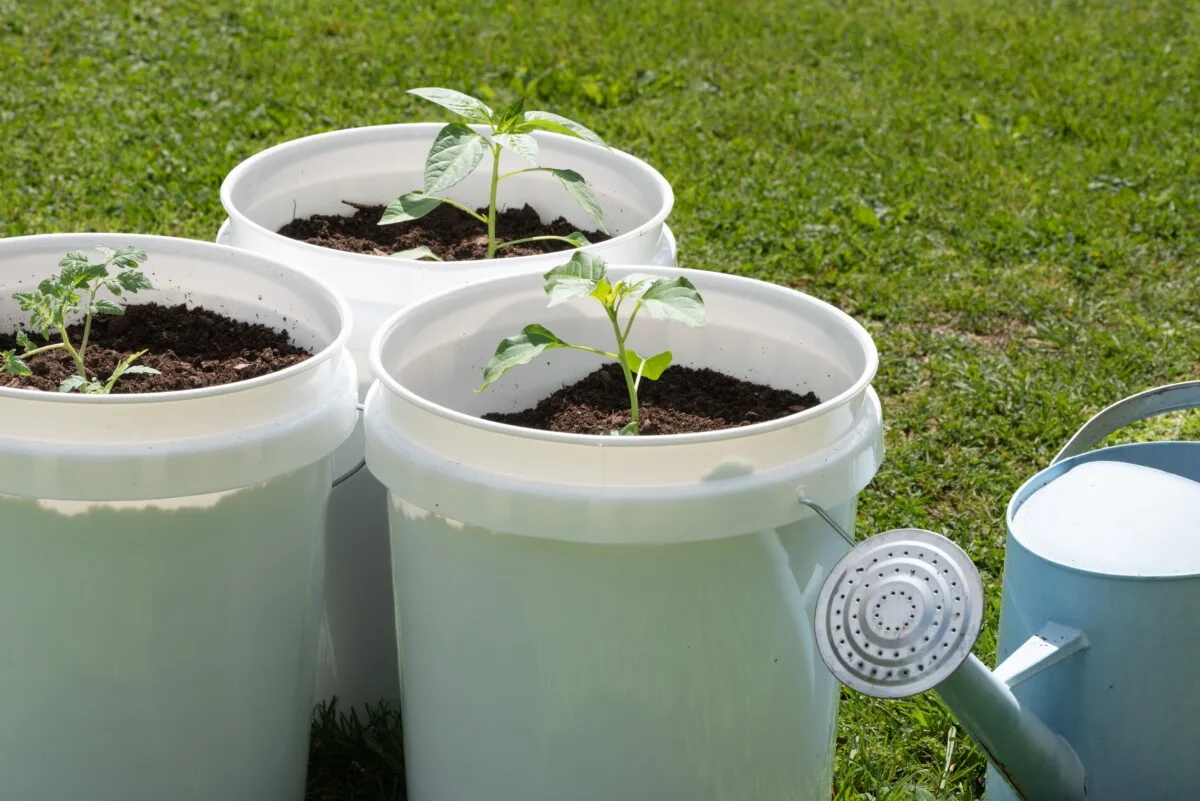
There's nothing quite like the taste of a homegrown tomato, still warm from the sun. But if you don't have a sprawling garden, don't despair! Growing tomatoes in pots, especially large ones, is a fantastic way to enjoy these delicious fruits, even on a small patio or balcony. Choosing the right pot size and understanding the needs of your tomato plants are the keys to a bountiful harvest. Let's dive into everything you need to know about using large tomato pots.
Growing Tomatoes in Large Pots: The Ultimate Guide
Why Choose Large Tomato Pots?
You might be wondering, why all the fuss aboutlargetomato pots? Can't you just squeeze a tomato plant into any old container? Well, youcould, but you'd likely be sacrificing yield, plant health, and overall success. Let's explore the specific benefits of opting for larger containers for your tomato plants:
- More Space for Roots: Tomato plants are hungry growers with extensive root systems. Large pots provide ample space for roots to spread out and absorb the necessary nutrients and water. A cramped root system will lead to stunted growth and fewer tomatoes.
- Better Water Retention: Larger pots hold more soil, which means they retain moisture for longer. This is crucial, especially during hot summer months. You won't have to water as frequently, reducing the risk of underwatering and the stress it puts on your plants.
- Increased Nutrient Availability: The larger volume of soil also translates to more available nutrients for your tomato plants. This leads to stronger, healthier plants that are better equipped to produce a large yield of delicious tomatoes.
- Greater Stability: Tomato plants, especially indeterminate varieties (the ones that keep growing and producing throughout the season), can become quite tall and top-heavy. A larger pot provides a more stable base, preventing the plant from toppling over in wind or heavy rain.
- Reduced Risk of Overheating: In hot climates, smaller pots can heat up quickly, stressing the root system. Larger pots offer a buffer, keeping the soil temperature more consistent and protecting the roots.
Essentially, using a large tomato pot sets the stage for a healthy, vigorous plant that can produce a significantly larger and higher quality harvest. It's an investment in your tomato-growing success.
What Size is Considered a "Large" Tomato Pot?
Okay, so we've established that large is better, but how large islargeenough? As a general rule, aim for a pot that is at least20 gallons in size for determinate (bush) varieties and25 gallons or larger for indeterminate (vining) varieties.
Here's a more detailed breakdown:
- Determinate Tomatoes (Bush Varieties): These tomatoes grow to a fixed size, typically 3-4 feet tall. While they don't needasmuch space as indeterminate varieties, a 20-gallon pot is still highly recommended. This gives them ample room for root development and nutrient uptake.
- Indeterminate Tomatoes (Vining Varieties): These tomatoes continue to grow and produce fruit throughout the season, often reaching 6-8 feet tall or even taller. They require a significantly larger root system to support their growth and fruit production. A 25-gallon pot is a good starting point, but some gardeners even use 30-gallon or larger containers for these vigorous growers.
It's better to err on the side of too large than too small. Remember, the bigger the pot, the more forgiving it will be in terms of watering and nutrient management.
Choosing the Right Material for Your Large Tomato Pots
The material of your large tomato pot can also impact the health and growth of your plants. Here's a look at some common options:
- Plastic: Plastic pots are lightweight, inexpensive, and readily available. They retain moisture well, which can be an advantage in dry climates but a disadvantage in wet climates. Look for durable, UV-resistant plastic to prevent cracking and fading. Dark-colored plastic pots can heat up quickly in the sun, so consider lighter colors or painting them white.
- Terracotta: Terracotta pots are porous, allowing for good air circulation and drainage. This can help prevent root rot, but it also means they dry out more quickly. Terracotta pots are heavier than plastic pots and can crack in freezing temperatures.
- Fabric Pots (Grow Bags): Fabric pots are made of breathable fabric that allows for excellent air circulation and drainage. They also promote air pruning of the roots, which encourages the plant to develop a denser, more efficient root system. Fabric pots are lightweight and relatively inexpensive, but they may dry out more quickly than plastic or terracotta pots.
- Wood: Wooden containers can be aesthetically pleasing and offer good insulation. However, they can rot over time, especially if they are in contact with wet soil. Line wooden containers with plastic to prolong their lifespan.
Consider your climate, watering habits, and aesthetic preferences when choosing the material for your large tomato pots. Each option has its pros and cons.
The Best Soil for Large Tomato Pots
The soil you use in your large tomato pots is just as important as the size of the pot itself. Tomatoes need well-draining soil that is rich in organic matter. Avoid using garden soil, as it can be too heavy and compact, hindering root growth and drainage.
Here's what to look for in a good potting mix for tomatoes:
- Good Drainage: The potting mix should allow excess water to drain freely. This prevents waterlogging and root rot.
- Nutrient-Rich: The potting mix should contain essential nutrients that tomatoes need to thrive, such as nitrogen, phosphorus, and potassium.
- Organic Matter: Organic matter, such as compost or aged manure, improves soil structure, water retention, and nutrient availability.
- Slightly Acidic p H: Tomatoes prefer a slightly acidic soil p H of around 6.0 to
6.8.
You can either purchase a commercially available potting mix specifically formulated for tomatoes or create your own. A good homemade potting mix recipe might include:
- 1 part peat moss or coconut coir
- 1 part compost
- 1 part perlite or vermiculite
Amend the mix with slow-release fertilizer or organic amendments like bone meal or blood meal to provide a steady supply of nutrients throughout the growing season.
Speaking of gardening, having a reliable way to water your plants is a must! I recently upgraded my watering setup with a fantasticgarden hose that stretches 75 feet, complete with a versatile 10-function nozzle. Its leak-proof metal connectors and kink-free design have made watering my tomato plants so much easier, and it's even pet-resistant! You can check it out here:https://amzn.to/3Yv E0Bo.
Planting and Caring for Tomatoes in Large Pots
Once you have your large tomato pots, your soil, and your tomato seedlings or transplants, it's time to get planting! Here's a step-by-step guide:
- Prepare the Pot: Fill the pot with your chosen potting mix, leaving a few inches of space at the top.
- Dig a Hole: Dig a hole in the center of the pot that is large enough to accommodate the root ball of your tomato plant.
- Plant the Tomato: Gently remove the tomato plant from its container and loosen any circling roots. Place the plant in the hole, ensuring that the top of the root ball is level with the soil surface. For leggy tomato seedlings, you can bury the stem deeper, as tomatoes will grow roots along the buried stem, creating a stronger root system.
- Backfill and Water: Backfill the hole with potting mix and gently firm the soil around the plant. Water thoroughly to settle the soil.
- Stake or Cage: Provide support for your tomato plant with a stake, cage, or trellis, especially for indeterminate varieties. This will help prevent the plant from toppling over and will keep the fruits off the ground.
After planting, ongoing care is essential for a successful harvest:
- Watering: Water deeply and regularly, especially during hot, dry weather. Check the soil moisture by sticking your finger into the soil – if the top inch is dry, it's time to water. Avoid overwatering, as this can lead to root rot.
- Fertilizing: Feed your tomato plants regularly with a balanced fertilizer formulated for tomatoes. Follow the instructions on the fertilizer package. You can also amend the soil with organic fertilizers like compost tea or fish emulsion.
- Sunlight: Tomato plants need at least 6-8 hours of sunlight per day to thrive. Place your large tomato pots in a sunny location.
- Pruning: Prune your tomato plants regularly to remove suckers (the small shoots that grow in the crotch between the main stem and the branches). Pruning helps improve air circulation and allows the plant to focus its energy on producing fruit.
- Pest and Disease Control: Monitor your tomato plants regularly for pests and diseases. Common tomato pests include aphids, tomato hornworms, and whiteflies. Common tomato diseases include early blight, late blight, and blossom end rot. Take action promptly to control any pests or diseases that you find.
Troubleshooting Common Problems with Tomatoes in Pots
Even with the best care, you may encounter some problems when growing tomatoes in large pots. Here are some common issues and how to address them:
- Blossom End Rot: This is caused by a calcium deficiency and results in a black, leathery spot on the bottom of the tomato. To prevent blossom end rot, ensure that your soil has adequate calcium and water your plants consistently.
- Leaf Curl: Leaf curl can be caused by a variety of factors, including stress, heat, and pests. Ensure that your plants are getting adequate water and nutrients and protect them from extreme heat.
- Yellowing Leaves: Yellowing leaves can be a sign of nutrient deficiency, overwatering, or underwatering. Check the soil moisture and adjust your watering accordingly. Fertilize your plants with a balanced fertilizer.
- Poor Fruit Set: Poor fruit set can be caused by cool temperatures, high humidity, or lack of pollination. Ensure that your plants are getting adequate sunlight and protect them from extreme temperatures. You can also hand-pollinate your tomato flowers by gently shaking the plant.
Enjoying Your Homegrown Tomatoes
With a little planning and effort, you can enjoy a bountiful harvest of delicious, homegrown tomatoes from your large tomato pots. There's nothing quite like the taste of a tomato that you've grown yourself! Whether you're making a fresh Caprese salad, a flavorful tomato sauce, or simply slicing a tomato and enjoying it with a sprinkle of salt, your homegrown tomatoes will be a taste of summer all season long.