Imagine vibrant bursts of red cascading from a hanging basket, a miniature tomato vineyard right outside your door. Growing cherry tomatoes in a hanging basket isn't just a charming aesthetic choice; it's a surprisingly practical way to enjoy fresh, homegrown goodness, even if you're short on space. It's easier than you might think, and the rewards are delicious! Growing Cherry Tomatoes in Hanging Baskets: A Complete Guide Growing cherry tomatoes in hanging baskets offers a delightful way to bring fresh produce to even the smallest spaces. Whether you have a sprawling garden or a tiny balcony, the vibrant foliage and sweet, juicy fruits of cherry tomatoes add beauty and flavor to your surroundings. This guide will walk you through every step, from choosing the right basket to harvesting your bountiful crop. Consider these tips your keys to unlocking a cascade of delicious cherry tomatoes right at your fingertips! Why Choose Hanging Baskets fo...
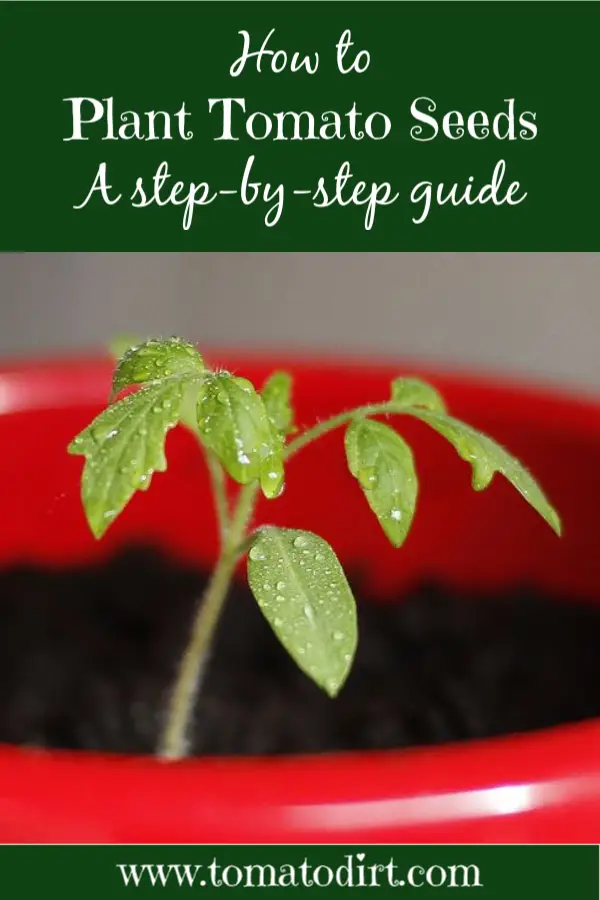
Imagine sinking your teeth into a juicy, sun-ripened tomato, bursting with flavor. Now, imagine that tomato came straight from your own garden! It all starts with a tiny seed, and the journey from seed to delicious fruit is more rewarding than you might think. Let's get our hands dirty and explore how to successfully plant tomato seeds and grow your own bounty of homegrown goodness.
The Joy of Growing: How to Plant Tomato Seeds
Planting tomato seeds might seem daunting, but it's actually a fairly straightforward process. With a little patience and the right knowledge, you can nurture those tiny seeds into thriving tomato plants that will reward you with a harvest of fresh, flavorful tomatoes. Whether you're a seasoned gardener or a complete beginner, this guide will walk you through each step of the process, from choosing the right seeds to transplanting your seedlings.
Choosing the Right Tomato Seeds
The first step to a successful tomato harvest is choosing the right seeds. There are countless varieties of tomatoes, each with its own unique characteristics in terms of size, shape, color, taste, and growing requirements. Consider the following factors when selecting your tomato seeds:
- Your climate: Some tomato varieties are better suited to warm climates, while others can tolerate cooler temperatures. Check the seed packet for information on the variety's ideal growing conditions.
- Your available space: If you have limited space, consider growing bush varieties, which are more compact than vine varieties. Vine varieties will need staking or caging.
- Your personal preferences: Do you prefer sweet tomatoes or tangy ones? Large tomatoes for slicing or small ones for snacking? Choose varieties that appeal to your taste.
- Disease resistance: Look for varieties that are resistant to common tomato diseases, such as Fusarium wilt, Verticillium wilt, and nematodes. This can save you a lot of trouble down the road.
Popular tomato varieties include:
- 'Beefsteak': Large, meaty tomatoes, perfect for slicing.
- 'Roma': Plum-shaped tomatoes, ideal for making sauce.
- 'Cherry': Small, sweet tomatoes, great for snacking.
- 'Early Girl': An early-maturing variety, perfect for cooler climates.
- 'Brandywine': Heirloom variety with a rich, complex flavor.
Starting Tomato Seeds Indoors
In most climates, it's best to start tomato seeds indoors about 6-8 weeks before the last expected frost. This gives the seedlings a head start and allows them to develop a strong root system before being transplanted outdoors.
Materials You'll Need:
- Tomato seeds
- Seed starting trays or small pots
- Seed starting mix
- Water
- Spray bottle
- Heat mat (optional, but recommended)
- Grow lights (highly recommended)
Step-by-Step Guide to Starting Tomato Seeds:
- Prepare your seed starting trays or pots: Fill the trays or pots with seed starting mix, leaving about ½ inch of space at the top.
- Moisten the soil: Gently water the soil until it is evenly moist, but not soggy.
- Sow the seeds: Sow 2-3 seeds per cell or pot, about ¼ inch deep.
- Cover the seeds: Gently cover the seeds with a thin layer of seed starting mix.
- Water again: Lightly water the soil again, using a spray bottle to avoid disturbing the seeds.
- Provide warmth: Place the trays or pots on a heat mat, if using. Tomato seeds germinate best at temperatures between 70-80°F (21-27°C).
- Provide light: Place the trays or pots under grow lights. Keep the lights on for 14-16 hours per day.
- Keep the soil moist: Check the soil daily and water as needed to keep it moist, but not soggy.
- Thin the seedlings: Once the seedlings have emerged and have a few sets of true leaves (the second set of leaves after the initial seed leaves), thin them to one seedling per cell or pot. Choose the strongest, healthiest-looking seedling and snip off the others at the soil line.
Tip: Label your trays or pots with the variety of tomato you are growing. This will help you keep track of which seedlings are which.
Caring for Tomato Seedlings
Once your tomato seeds have germinated and you have thinned the seedlings, it's important to provide them with the proper care to ensure they grow into strong, healthy plants.
Light:
Tomato seedlings need plenty of light to thrive. If you don't have grow lights, place the seedlings in a south-facing window where they will receive at least 6 hours of direct sunlight per day. Rotate the trays or pots regularly to prevent the seedlings from leaning towards the light.
Watering:
Water the seedlings regularly, but avoid overwatering. Allow the top inch of soil to dry out slightly between waterings. When watering, water at the base of the plants to avoid wetting the leaves, which can promote disease.
Fertilizing:
Once the seedlings have a few sets of true leaves, begin fertilizing them with a diluted liquid fertilizer. Follow the instructions on the fertilizer package for the appropriate dilution rate. Fertilize every 1-2 weeks.
Hardening Off:
Before transplanting your tomato seedlings outdoors, it's important to "harden them off." This process gradually acclimates the seedlings to the outdoor environment, making them less susceptible to shock. About a week before you plan to transplant, begin taking the seedlings outdoors for a few hours each day, gradually increasing the amount of time they spend outdoors. Protect the seedlings from direct sunlight and strong winds during this process. This is critical as it allows your plants to adjust to stronger sunlight, cooler temperatures, and fluctuating humidity levels. For example, you might start with 2 hours of outdoor exposure on day one, gradually increasing it to 6-8 hours by the end of the week. Don't skip this step! It makes a huge difference in transplant success.
Transplanting Tomato Seedlings Outdoors
Once the danger of frost has passed and the soil has warmed up, it's time to transplant your tomato seedlings outdoors.
Choosing the Right Location:
Tomatoes need at least 6-8 hours of sunlight per day to thrive. Choose a location in your garden that receives plenty of sunlight and has well-drained soil. Avoid planting tomatoes in areas where other members of the nightshade family (peppers, eggplants, potatoes) have been grown in the past few years, as this can increase the risk of disease.
Preparing the Soil:
Before transplanting, amend the soil with compost or other organic matter to improve drainage and fertility. Dig a hole that is slightly larger than the root ball of the seedling.
Transplanting the Seedlings:
Gently remove the seedling from its tray or pot. If the roots are tightly bound, gently loosen them with your fingers. Place the seedling in the hole and backfill with soil. Plant the seedling deep, burying the stem up to the first set of leaves. This will encourage the plant to develop more roots along the buried stem, resulting in a stronger, healthier plant.
Watering and Staking:
Water the seedling thoroughly after transplanting. If you are growing a vine variety, stake or cage the plant to provide support. Staking or caging helps to keep the fruit off the ground, which can reduce the risk of disease and pest damage. Consider using heavy-duty stakes or cages, as tomato plants can become quite heavy with fruit. You can use twine or tomato clips to attach the plant to the stake or cage. Pruning suckers (the small shoots that grow in the crotch between the main stem and the branches) can also help to improve airflow and reduce the risk of disease.
To ensure your garden thrives with the water it needs, consider a quality watering solution. A good option is a newGarden Hose 75 FT with 10-Function Nozzle, featuring a leak-proof metal connector and kink-free design. It's a great way to easily take care of the plants. This 75-foot garden water hose offers versatility and durability for all your watering needs, making gardening a breeze. Check it out here:https://amzn.to/3Yv E0Ba.
Ongoing Care for Tomato Plants
Once your tomato plants are established, continue to provide them with proper care to ensure a bountiful harvest.
Watering:
Water deeply and regularly, especially during hot, dry weather. Avoid watering the leaves, as this can promote disease. A good rule of thumb is to water deeply once or twice a week, providing about 1-2 inches of water per week.
Fertilizing:
Continue to fertilize your tomato plants every 2-3 weeks with a balanced fertilizer. Avoid over-fertilizing, as this can lead to excessive foliage growth and reduced fruit production.
Pest and Disease Control:
Monitor your tomato plants regularly for signs of pests and diseases. Common tomato pests include aphids, whiteflies, and tomato hornworms. Common tomato diseases include early blight, late blight, and blossom-end rot. Take action to control pests and diseases as soon as you notice them. Consider using organic pest control methods, such as insecticidal soap or neem oil.
Pruning:
Prune your tomato plants regularly to remove suckers and yellowing or diseased leaves. This will improve airflow and reduce the risk of disease.
Harvesting:
Harvest your tomatoes when they are fully ripe and have reached their mature color. Gently twist the tomato from the vine. Store harvested tomatoes in a cool, dry place. Ripe tomatoes should be firm to the touch and have a slight give when gently squeezed. Depending on the variety, the color can range from bright red to yellow, orange, or even purple. The best time to harvest is typically in the morning, after the dew has dried.
Troubleshooting Common Tomato Growing Problems
Even with the best care, you may encounter some problems while growing tomatoes. Here are some common issues and how to address them:
Blossom-End Rot:
This is a condition caused by calcium deficiency, resulting in a dark, leathery spot on the bottom of the tomato. To prevent blossom-end rot, ensure your soil has adequate calcium and water regularly. You can also add crushed eggshells to the planting hole or use a calcium-rich fertilizer. Consistent watering is key to helping the plant absorb the available calcium.
Early Blight and Late Blight:
These are fungal diseases that can cause spots on the leaves and stems of tomato plants. To prevent blight, choose disease-resistant varieties, provide good air circulation, and avoid watering the leaves. If you see signs of blight, remove the affected leaves and treat the plant with a fungicide.
Tomato Hornworms:
These large green caterpillars can quickly defoliate tomato plants. Handpick them off the plants and dispose of them. You can also encourage natural predators, such as parasitic wasps, by planting flowers near your tomatoes.
Cracking:
Fruit cracking is when the tomato skin cracks. This can be caused by inconsistent watering or rapid changes in moisture levels. Try to provide consistent watering and avoid allowing the soil to dry out completely.
Enjoying Your Homegrown Tomatoes
Congratulations! You've successfully learned how to plant tomato seeds and grow your own delicious tomatoes. Now it's time to enjoy the fruits of your labor. Use your homegrown tomatoes in salads, sauces, salsas, or simply eat them fresh off the vine. There's nothing quite like the taste of a homegrown tomato!
Growing tomatoes from seed is a rewarding experience that allows you to connect with nature and enjoy fresh, flavorful produce. With a little planning and care, you can have a bountiful harvest of homegrown tomatoes every year.