Imagine vibrant bursts of red cascading from a hanging basket, a miniature tomato vineyard right outside your door. Growing cherry tomatoes in a hanging basket isn't just a charming aesthetic choice; it's a surprisingly practical way to enjoy fresh, homegrown goodness, even if you're short on space. It's easier than you might think, and the rewards are delicious! Growing Cherry Tomatoes in Hanging Baskets: A Complete Guide Growing cherry tomatoes in hanging baskets offers a delightful way to bring fresh produce to even the smallest spaces. Whether you have a sprawling garden or a tiny balcony, the vibrant foliage and sweet, juicy fruits of cherry tomatoes add beauty and flavor to your surroundings. This guide will walk you through every step, from choosing the right basket to harvesting your bountiful crop. Consider these tips your keys to unlocking a cascade of delicious cherry tomatoes right at your fingertips! Why Choose Hanging Baskets fo...
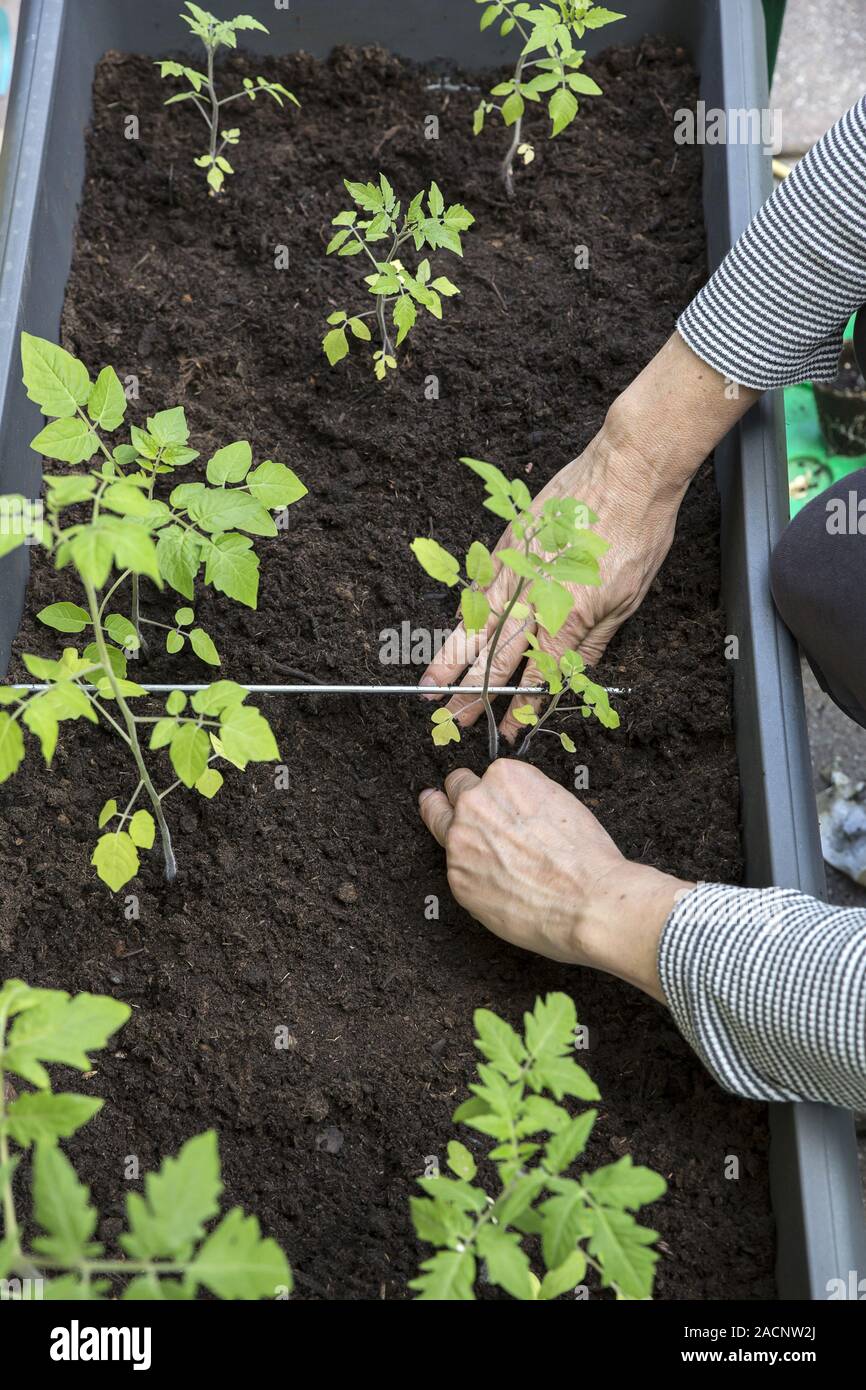
There's nothing quite like biting into a sun-warmed, juicy tomato, the kind that bursts with flavor and bears no resemblance to the pale imitations found in grocery stores. That amazing taste comes from one thing: growing your own. Home grown tomato plants offer a rewarding gardening experience and a delicious harvest. Let's dive into the details of cultivating these flavorful gems in your own backyard.
Why Choose Home Grown Tomato Plants?
Growing your own tomatoes offers a plethora of benefits that extend far beyond just the taste. Sure, that garden-fresh flavor is a huge draw, but there are other compelling reasons to cultivate your own home grown tomato plants. Let's explore some key advantages:
- Superior Taste: As mentioned before, the taste is unbeatable. Homegrown tomatoes ripen on the vine, developing a depth of flavor that commercially grown tomatoes simply can't match.
- Variety Selection: Forget the limited options at the supermarket! Growing your own allows you to choose from a vast array of tomato varieties, from classic beefsteaks to sweet cherry tomatoes and everything in between. You can find unique heirlooms and hybrids with different colors, shapes, and flavor profiles.
- Control Over Growing Practices: You have complete control over what goes into your tomatoes. You can choose to grow organically, avoiding harmful pesticides and herbicides. You can also tailor your fertilization and watering schedule to ensure your plants receive the best possible care.
- Cost Savings: While there's an initial investment in seeds, seedlings, or plants, growing your own tomatoes can save you money in the long run, especially if you plan on enjoying them regularly.
- Therapeutic Benefits: Gardening is a fantastic way to relieve stress and connect with nature. The act of nurturing your tomato plants and watching them grow can be incredibly rewarding.
- Reduced Environmental Impact: Home gardening reduces the carbon footprint associated with transporting produce long distances. You're also minimizing the use of plastic packaging and supporting sustainable practices.
Choosing the Right Tomato Variety for Your Garden
Selecting the right tomato variety is crucial for a successful harvest. Consider your climate, available space, and personal preferences when making your selection. Here are some factors to consider:
Determinate vs. Indeterminate Tomatoes
This is a fundamental distinction.Determinate tomato plants grow to a fixed size and produce all their fruit at roughly the same time. They're often bushier and more compact, making them suitable for smaller spaces or container gardening. Roma tomatoes, often used for sauces, are a common determinate variety.
Indeterminate*tomato plants, on the other hand, continue to grow and produce fruit throughout the growing season. They require staking or caging to support their sprawling vines. Popular indeterminate varieties include beefsteak, cherry, and grape tomatoes.
Heirloom vs. Hybrid Tomatoes
Heirloom*tomatoes are open-pollinated varieties that have been passed down through generations. They often boast unique flavors and colors, but they can be more susceptible to diseases and pests than hybrid varieties. Examples include 'Brandywine' and 'Cherokee Purple'.
Hybridtomatoes are created by cross-pollinating two different parent plants to combine desirable traits, such as disease resistance, high yield, and uniform size. They're often a good choice for beginner gardeners. Look for varieties labeled "F1" – this indicates a first-generation hybrid. 'Early Girl' is a popular hybrid.
Consider Your Climate
Choose varieties that are well-suited to your region's climate. If you have a short growing season, opt for early-maturing varieties. If you live in a hot climate, choose varieties that are heat-tolerant. Your local nursery or extension office can provide recommendations for the best varieties to grow in your area.
Popular Tomato Varieties
Here's a brief overview of some popular tomato varieties:
- Beefsteak: Large, meaty tomatoes perfect for slicing and sandwiches.
- Cherry: Small, sweet tomatoes ideal for salads and snacking.
- Grape: Similar to cherry tomatoes but with a slightly oblong shape.
- Roma: Oblong-shaped tomatoes with a firm texture, great for sauces and canning.
- San Marzano: Another excellent choice for sauces, known for their rich flavor.
- Brandywine: A popular heirloom beefsteak tomato with a complex flavor.
- Early Girl: A reliable hybrid variety that produces early in the season.
Planting Home Grown Tomato Plants: A Step-by-Step Guide
Once you've chosen your tomato varieties, it's time to get them in the ground! Here's a step-by-step guide to planting your home grown tomato plants:
- Start with Healthy Seedlings: You can start your tomato plants from seed indoors 6-8 weeks before the last expected frost. Alternatively, you can purchase healthy seedlings from a reputable nursery. Look for plants that are sturdy, have dark green leaves, and are free from pests and diseases.
- Choose the Right Location: Tomatoes need at least 6-8 hours of sunlight per day. Choose a location that receives plenty of sunshine and has well-draining soil.
- Prepare the Soil: Amend the soil with compost or other organic matter to improve drainage and fertility. Tomatoes prefer slightly acidic soil with a p H between 6.0 and
6.8.
- Dig the Planting Hole: Dig a hole that is deep enough to bury the bottom third of the tomato plant's stem. This encourages the plant to develop a strong root system.
- Plant the Seedling: Gently remove the seedling from its container and loosen the roots. Place the plant in the hole and backfill with soil, pressing gently to remove air pockets.
- Water Thoroughly: Water the newly planted tomato thoroughly.
- Add Support: Install stakes or cages to support the tomato plants as they grow. This will prevent the plants from falling over and help to keep the fruit off the ground.
- Mulch: Apply a layer of mulch around the base of the plants to help retain moisture, suppress weeds, and regulate soil temperature. Straw, shredded leaves, or wood chips are all good choices.
Caring for Your Home Grown Tomato Plants
Proper care is essential for a bountiful harvest. Here are some tips for keeping your home grown tomato plants healthy and productive:
Watering
Tomatoes need consistent watering, especially during hot, dry weather. Water deeply and infrequently, rather than shallowly and frequently. Aim to keep the soil consistently moist but not soggy. A good rule of thumb is to water when the top inch of soil feels dry to the touch.
Fertilizing
Tomatoes are heavy feeders, so they need regular fertilization. Use a balanced fertilizer specifically formulated for tomatoes. Follow the instructions on the fertilizer label carefully. You can also side-dress your plants with compost or aged manure throughout the growing season.
Pruning
Pruning can help to improve air circulation and promote fruit production. Remove suckers (the small shoots that grow in the crotch between the main stem and branches) to encourage the plant to focus its energy on fruit production. You can also prune away yellowing or diseased leaves.
Pest and Disease Control
Tomatoes are susceptible to a variety of pests and diseases. Monitor your plants regularly for signs of trouble. Common pests include aphids, tomato hornworms, and whiteflies. Diseases include early blight, late blight, and blossom end rot. Use organic pest control methods whenever possible. Copper fungicide can help prevent or control fungal diseases. Ensuring the best gardening experience also comes from having the right tools. To help with watering and keeping your garden healthy, consider using a75 FT Garden Hose that has 10 different spray functions for versatile garden care. It's designed to prevent leaks and kinks, making watering effortless and efficient. You can find it here: https://amzn.to/3Yv E0Bo.
Harvesting and Enjoying Your Home Grown Tomatoes
The moment you've been waiting for – harvest time! Tomatoes are ready to harvest when they are fully colored, slightly soft to the touch, and easily detach from the vine. Gently twist or clip the tomato from the plant. Enjoy your fresh tomatoes in salads, sandwiches, sauces, or simply sliced and drizzled with olive oil and balsamic vinegar. The possibilities are endless!
Growing home grown tomato plants can be very rewarding. With a little planning and care, you can enjoy a delicious and bountiful harvest all summer long!