Imagine vibrant bursts of red cascading from a hanging basket, a miniature tomato vineyard right outside your door. Growing cherry tomatoes in a hanging basket isn't just a charming aesthetic choice; it's a surprisingly practical way to enjoy fresh, homegrown goodness, even if you're short on space. It's easier than you might think, and the rewards are delicious! Growing Cherry Tomatoes in Hanging Baskets: A Complete Guide Growing cherry tomatoes in hanging baskets offers a delightful way to bring fresh produce to even the smallest spaces. Whether you have a sprawling garden or a tiny balcony, the vibrant foliage and sweet, juicy fruits of cherry tomatoes add beauty and flavor to your surroundings. This guide will walk you through every step, from choosing the right basket to harvesting your bountiful crop. Consider these tips your keys to unlocking a cascade of delicious cherry tomatoes right at your fingertips! Why Choose Hanging Baskets fo...
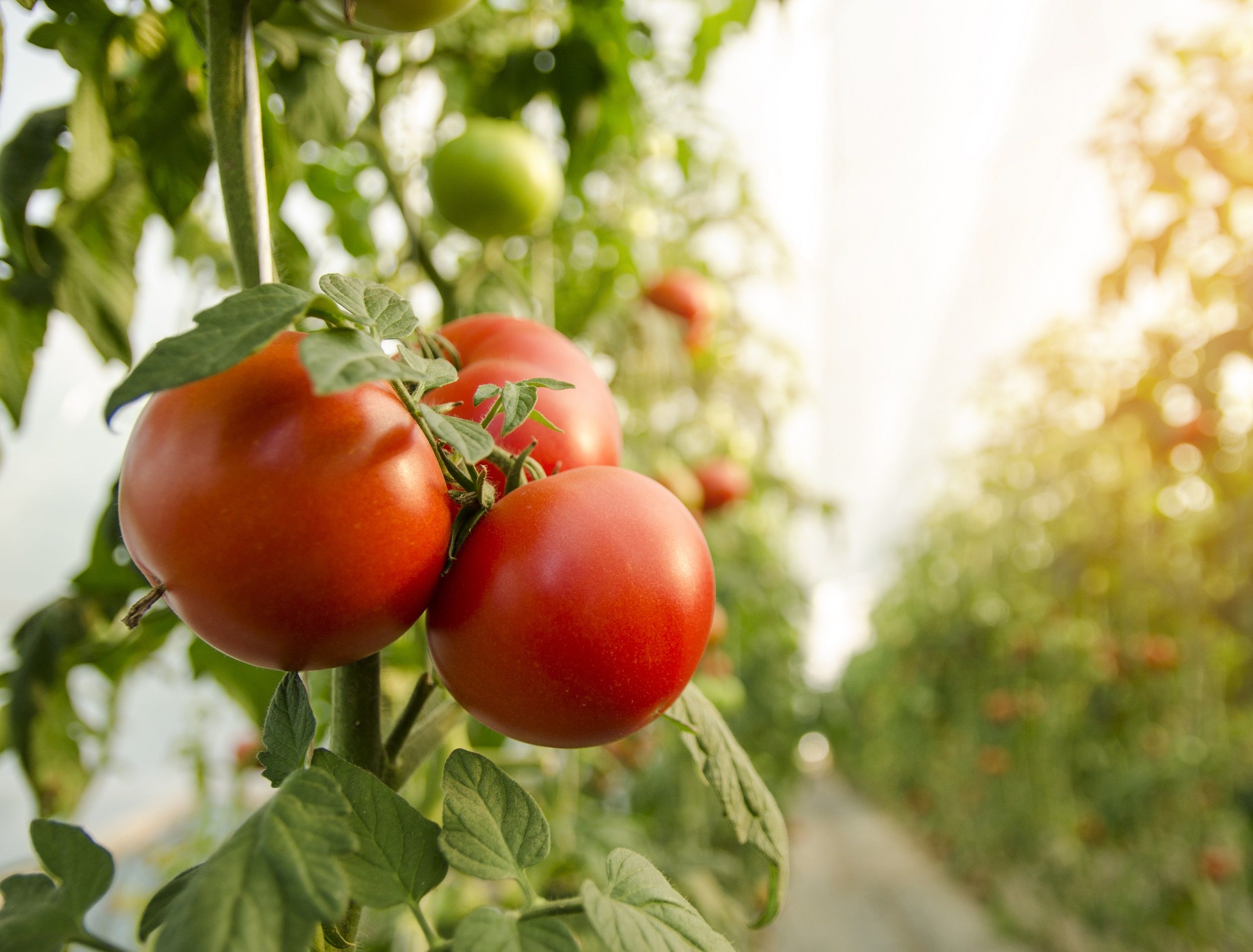
Imagine stepping onto your patio and plucking a sun-ripened, juicy tomato straight from the vine. Sounds idyllic, right? Well, it's easier than you think! Growing your own tomatoes on the patio is a rewarding experience that brings fresh flavors and a touch of nature right to your doorstep. Let's dive into everything you need to know to cultivate a thriving tomato garden in your outdoor space.
Growing Tomatoes on the Patio: Your Comprehensive Guide
Choosing the Right Tomato Variety for Patio Gardening
One of the most crucial steps for successful patio tomato growing is selecting the right variety. Not all tomatoes are created equal, and some are much better suited to container growing than others. Consider these factors when making your choice:
- Determinate vs. Indeterminate: Determinate varieties grow to a certain size and produce all their fruit at once, making them ideal for smaller containers. Indeterminate varieties, on the other hand, continue to grow and produce fruit throughout the season, requiring larger containers and more support.
- Size of the Plant: Pay attention to the mature size of the plant. A sprawling vine will quickly outgrow a small patio space and become difficult to manage. Look for compact or bush varieties specifically bred for containers.
- Disease Resistance: Choose varieties that are resistant to common tomato diseases like early blight, late blight, and verticillium wilt. This will save you a lot of headaches down the line.
Here are a few popular tomato varieties that perform well in containers:
- Patio Princess: A determinate variety that produces small, flavorful tomatoes.
- Bush Early Girl: Another determinate variety known for its early harvest.
- Roma: A determinate, classic paste tomato perfect for sauces and canning.
- Tumbling Tom: An indeterminate, cascading variety ideal for hanging baskets.
- Cherry Falls: An indeterminate, weeping variety perfect for growing in hanging pots.
Don't be afraid to experiment and try different varieties to see what works best in your climate and patio environment. Reading reviews and talking to local gardeners can provide valuable insights.
Setting Up Your Patio Tomato Garden: Containers, Soil, and Sunlight
Once you've chosen your tomato variety, it's time to set up your growing space. This involves selecting the right containers, preparing the soil, and ensuring adequate sunlight. Let's break it down:
Choosing the Right Containers
The size of your container is critical for the health and productivity of your tomato plants. As a general rule, determinate varieties need at least a 5-gallon container, while indeterminate varieties thrive in 10-gallon or larger pots. Larger pots mean more room for root growth and better water retention. Consider these container options:
- Plastic Pots: Lightweight and affordable, plastic pots are a good option for beginners.
- Terracotta Pots: These clay pots provide excellent drainage and airflow but can dry out quickly.
- Fabric Pots: Breathable and lightweight, fabric pots promote healthy root growth.
- Self-Watering Containers: These containers have a reservoir that provides water to the plants, reducing the need for frequent watering.
Regardless of the material, make sure your container has drainage holes to prevent waterlogging, which can lead to root rot.
Preparing the Soil for Patio Tomatoes
Tomatoes need well-draining, nutrient-rich soil to thrive. Avoid using garden soil in containers, as it can become compacted and inhibit root growth. Instead, opt for a high-quality potting mix specifically formulated for vegetables. You can also amend your potting mix with compost or aged manure to add extra nutrients.
Here's a simple recipe for a DIY potting mix:
- 1 part peat moss or coco coir
- 1 part perlite or vermiculite
- 1 part compost
Before planting, consider adding a slow-release fertilizer to the potting mix to provide a steady supply of nutrients throughout the growing season.
Sunlight: The Key to Tomato Success
Tomatoes need at least 6-8 hours of direct sunlight per day to produce abundant fruit. Choose a sunny spot on your patio that receives full sun throughout the day. If your patio doesn't get enough sunlight, consider using grow lights to supplement the natural light. Grow lights can be especially helpful for starting seedlings indoors before transplanting them to your patio.
Planting and Caring for Your Patio Tomato Plants
With your container, soil, and sunlight sorted, it's time to plant your tomato plants and provide them with the care they need to flourish. Here's a step-by-step guide:
Planting Your Tomato Seedlings
- Dig a Hole: Dig a hole in the center of your container that is slightly larger than the root ball of your tomato seedling.
- Remove Seedling: Gently remove the seedling from its container, being careful not to damage the roots.
- Plant Deeply: Tomatoes can be planted deeply, as they will develop roots along the buried stem. Remove the lower leaves of the seedling and plant it so that the lowest remaining leaves are just above the soil line.
- Backfill and Water: Backfill the hole with potting mix and gently pat down the soil. Water thoroughly to settle the soil around the roots.
Watering Your Patio Tomatoes
Consistent watering is essential for healthy tomato growth. Water your plants deeply whenever the top inch of soil feels dry to the touch. Avoid overwatering, which can lead to root rot. During hot weather, you may need to water your plants daily. Using a drip irrigation system or a watering can with a gentle nozzle can help prevent water from splashing onto the leaves, which can spread diseases.
To ensure your plants receive consistent hydration, you might find a durable and versatilegarden water hose to be incredibly helpful. Agarden hose that stretches 75 feet and comes with a 10-function nozzle would be perfect for reaching all your patio plants with ease. Look for one with leak-proof metal connectors and a kink-free design for worry-free watering. Check out this option on Amazon: https://amzn.to/3Yv E0Bo.
Fertilizing Your Patio Tomatoes
Tomatoes are heavy feeders and need regular fertilization to produce abundant fruit. Use a balanced fertilizer formulated for tomatoes, following the instructions on the label. Fertilize every 2-3 weeks during the growing season. You can also use organic fertilizers like compost tea or fish emulsion.
Providing Support for Your Tomato Plants
Indeterminate tomato varieties need support to prevent them from sprawling and collapsing. Use stakes, cages, or trellises to support the plants as they grow. Insert the support structure into the container at planting time to avoid damaging the roots later. Prune the plants regularly to remove suckers (small shoots that grow in the junction between the stem and branches) to improve airflow and encourage fruit production.
Protecting Your Patio Tomatoes from Pests and Diseases
Even with the best care, your patio tomatoes may still be susceptible to pests and diseases. Here's how to protect your plants:
Common Tomato Pests
- Aphids: Small, sap-sucking insects that can weaken plants and spread diseases.
- Tomato Hornworms: Large caterpillars that can quickly defoliate tomato plants.
- Spider Mites: Tiny pests that create webs on the leaves and suck plant sap.
- Whiteflies: Small, white, winged insects that feed on plant sap.
To control pests, try these methods:
- Handpicking: Remove pests by hand and drop them into a bucket of soapy water.
- Insecticidal Soap: Spray plants with insecticidal soap to kill aphids, spider mites, and whiteflies.
- Bacillus thuringiensis (Bt): Use Bt to control tomato hornworms.
- Neem Oil: Apply neem oil to control a variety of pests and diseases.
Common Tomato Diseases
- Early Blight: A fungal disease that causes brown spots on the leaves.
- Late Blight: A fungal disease that can quickly kill tomato plants, especially in cool, wet weather.
- Verticillium Wilt: A soilborne fungal disease that causes wilting and yellowing of the leaves.
- Fusarium Wilt: Another soilborne fungal disease with similar symptoms to Verticillium wilt.
To prevent and control diseases, follow these tips:
- Choose Disease-Resistant Varieties: As mentioned earlier, select tomato varieties that are resistant to common diseases.
- Provide Good Airflow: Prune plants to improve airflow and reduce humidity.
- Water at the Base of the Plants: Avoid wetting the leaves when watering.
- Apply Fungicides: Use copper-based fungicides or other approved fungicides to control fungal diseases.
- Remove Infected Plants: If a plant is severely infected, remove it from the garden to prevent the spread of disease.
Harvesting and Enjoying Your Patio Tomatoes
The moment you've been waiting for: harvesting your homegrown tomatoes! Tomatoes are usually ready to harvest when they are fully colored and slightly soft to the touch. Gently twist the tomato from the vine, leaving the stem attached. Enjoy your fresh tomatoes in salads, sandwiches, sauces, or simply eat them straight from the vine. Growing tomatoes on your patio is a rewarding experience that brings fresh flavors and a touch of nature to your outdoor space.
Troubleshooting Common Issues When Growing Tomatoes on the Patio
Even with careful planning, you might encounter some challenges when growing tomatoes on the patio. Let's address some common issues and how to fix them:
Blossom End Rot
Blossom end rot is a condition where the bottom of the tomato turns black and leathery. It's caused by a calcium deficiency in the fruit, which can be triggered by inconsistent watering. To prevent blossom end rot, water your plants consistently and amend the soil with calcium-rich amendments like bone meal or crushed eggshells. You can also use a calcium foliar spray.
Leaf Curling
Tomato leaves can curl for a variety of reasons, including heat stress, overwatering, and pest infestations. If the leaves are curling up, try providing shade during the hottest part of the day, adjusting your watering schedule, and checking for pests. If the leaves are curling down and turning yellow, it could be a sign of overwatering or a nutrient deficiency.
Lack of Fruit Set
Sometimes tomato plants will produce flowers but fail to set fruit. This can be caused by high temperatures, low humidity, or a lack of pollination. To improve fruit set, try hand-pollinating the flowers by gently shaking the plants or using a small brush to transfer pollen from one flower to another. You can also use a blossom set spray to encourage fruit production.
Cracking Tomatoes
Cracking tomatoes are often caused by inconsistent watering. When the plant experiences a sudden influx of water after a dry spell, the fruit can swell rapidly, causing the skin to crack. To prevent cracking, water your plants consistently and avoid letting the soil dry out completely.
Growing tomatoes on the patio is a journey of learning and discovery. Don't be discouraged by setbacks. With a little patience and attention, you can enjoy a bountiful harvest of delicious, homegrown tomatoes right outside your door. Happy gardening!