Imagine vibrant bursts of red cascading from a hanging basket, a miniature tomato vineyard right outside your door. Growing cherry tomatoes in a hanging basket isn't just a charming aesthetic choice; it's a surprisingly practical way to enjoy fresh, homegrown goodness, even if you're short on space. It's easier than you might think, and the rewards are delicious! Growing Cherry Tomatoes in Hanging Baskets: A Complete Guide Growing cherry tomatoes in hanging baskets offers a delightful way to bring fresh produce to even the smallest spaces. Whether you have a sprawling garden or a tiny balcony, the vibrant foliage and sweet, juicy fruits of cherry tomatoes add beauty and flavor to your surroundings. This guide will walk you through every step, from choosing the right basket to harvesting your bountiful crop. Consider these tips your keys to unlocking a cascade of delicious cherry tomatoes right at your fingertips! Why Choose Hanging Baskets fo...
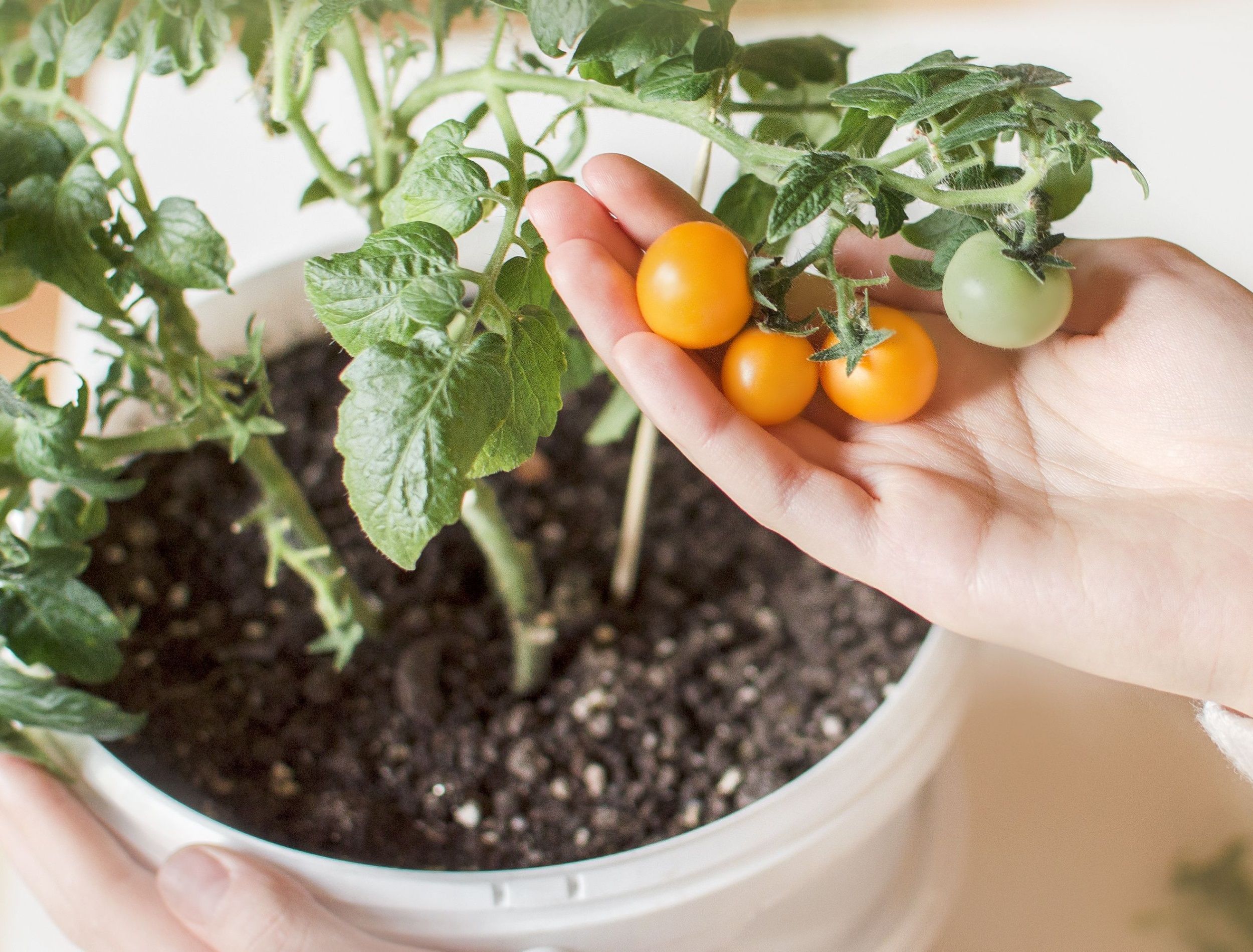
Imagine biting into a juicy, sun-ripened tomato in the dead of winter, a taste of summer bursting in your mouth. Sounds impossible, right? Well, it's not! With a little know-how, you can enjoy the fruits (or rather, vegetables) of your labor by growing tomatoes inside your house. It's a rewarding experience that brings a touch of the garden indoors, no matter the season.
Why Grow Tomatoes Inside Your House?
There are several compelling reasons to consider growing tomatoes indoors. Perhaps you live in an area with a short growing season, or maybe you lack outdoor space altogether. Growing tomatoes inside offers a solution, allowing you to control the environment and extend the harvest period. Plus, it's a fantastic way to enjoy fresh, homegrown tomatoes year-round!
Choosing the Right Tomato Varieties for Indoor Growing
Not all tomato varieties are created equal, especially when it comes to indoor cultivation. Some varieties thrive in containers and under artificial light, while others require more space and sunlight than most homes can provide. Here's a breakdown of factors to consider when selecting your tomato plants:
Determinate vs. Indeterminate Tomatoes
The first distinction to understand is betweendeterminate andindeterminate tomato varieties. Determinate tomatoes grow to a specific size, set all their fruit at once, and then stop producing. They are bushier and more compact, making them well-suited for containers. Indeterminate tomatoes, on the other hand, continue to grow and produce fruit throughout the season. They require staking or caging to support their vining habit. While indeterminate tomatoes offer a longer harvest period, they can become quite large and may not be ideal for indoor growing, unless you have ample space and strong support structures.
Recommended Tomato Varieties for Indoor Gardens
For beginners growing tomatoes inside, determinate varieties are generally the best choice. Here are a few popular and reliable options:
- Tiny Tim: This ultra-compact variety produces small, sweet cherry tomatoes on plants that rarely exceed a foot in height.
- Roma: A classic paste tomato perfect for sauces and canning, Roma plants are relatively compact and productive.
- Patio: As the name suggests, Patio tomatoes are bred for container gardening. They offer good yields of medium-sized tomatoes.
- Tumbling Tom Red/Yellow: These tomatoes are very productive when growing in upside down planters or hanging baskets, which makes them suitable for growing indoors.
Indeterminate varieties can also be grown indoors, but they require more attention and support. Consider these options if you're up for the challenge:
- Cherry Tomatoes (Sungold, Sweet Million): These varieties are vigorous and productive, but they will need staking or caging.
- Grape Tomatoes: Similar to cherry tomatoes, grape tomatoes are prolific and require support.
Setting Up Your Indoor Tomato Garden
Once you've chosen your tomato varieties, it's time to set up your indoor garden. Here are the essential elements to consider:
Choosing the Right Containers
The size of your container is crucial for healthy tomato growth. Determinate varieties typically need a pot that's at least 12 inches in diameter, while indeterminate varieties require larger containers, ideally 5-10 gallons. Make sure the container has drainage holes to prevent waterlogging. Materials such as plastic, terracotta, or fabric pots are all suitable options. Fabric pots offer the advantage of air pruning, which promotes healthier root growth.
Providing Adequate Lighting
Light is perhaps the most critical factor in growing tomatoes inside. Tomatoes need at least 6-8 hours of direct sunlight per day. If you don't have a sunny window, you'll need to supplement with grow lights. LED grow lights are an energy-efficient and effective option. Look for lights that provide a full spectrum of light, including blue and red wavelengths, which are essential for plant growth and flowering. Position the lights a few inches above the plants and adjust them as the plants grow.
Selecting the Right Soil
Use a high-quality potting mix that is well-draining and rich in nutrients. Avoid using garden soil, as it can compact in containers and hinder root growth. A mix of peat moss, perlite, and vermiculite is a good starting point. Consider adding compost or other organic matter to boost nutrient levels.
Maintaining Proper Temperature and Humidity
Tomatoes thrive in temperatures between 65°F and 85°F (18°C and 29°C). Avoid placing your plants near drafts or extreme temperature fluctuations. Humidity is also important. Aim for a humidity level of around 40-60%. You can increase humidity by placing a tray of water near the plants or using a humidifier.
Caring for Your Indoor Tomato Plants
Once your indoor tomato garden is set up, regular care is essential for healthy growth and abundant fruit production.
Watering
Water your tomato plants regularly, keeping the soil consistently moist but not soggy. Check the soil moisture by sticking your finger about an inch into the soil. If it feels dry, it's time to water. Water deeply, allowing the excess water to drain out of the bottom of the container. Avoid overhead watering, as it can promote fungal diseases. The frequency of watering depends on factors such as temperature, humidity, and the size of the container.
Fertilizing
Tomatoes are heavy feeders and require regular fertilization. Use a balanced fertilizer with a ratio of N-P-K (Nitrogen-Phosphorus-Potassium) such as 10-10-10 or 14-14-14. Follow the instructions on the fertilizer packaging. You can also use organic fertilizers such as compost tea or fish emulsion. Fertilize every 2-3 weeks during the growing season.
Pruning
Pruning is important for maintaining the shape of your tomato plants and promoting air circulation. Remove suckers, which are small shoots that grow in the "V" between the main stem and the branches. Pruning suckers will encourage the plant to focus its energy on fruit production rather than vegetative growth. For determinate varieties, minimal pruning is needed. For indeterminate varieties, regular pruning is essential to keep the plants manageable.
Pollination
Indoor tomatoes may need assistance with pollination, as they lack the natural pollinators found outdoors. You can hand-pollinate your tomato plants by gently shaking the flowers or using a small paintbrush to transfer pollen from one flower to another. Alternatively, you can use a small fan to circulate air around the plants, which can help with pollination.
Pest and Disease Control
Indoor tomato plants are less susceptible to pests and diseases than outdoor plants, but problems can still occur. Monitor your plants regularly for signs of pests such as aphids, spider mites, and whiteflies. Treat infestations promptly with insecticidal soap or neem oil. Prevent fungal diseases by providing good air circulation and avoiding overhead watering. Remove any diseased leaves or stems immediately.
Troubleshooting Common Problems When Growing Tomatoes Inside
Even with the best care, you may encounter some challenges when growing tomatoes inside. Here are some common problems and how to address them:
- Blossom End Rot: This condition causes the bottom of the tomatoes to rot and turn black. It's usually caused by calcium deficiency, which can be due to inconsistent watering or poor soil. Ensure consistent watering and add calcium to the soil if needed.
- Leaf Yellowing: Yellow leaves can be a sign of nutrient deficiency, overwatering, or underwatering. Check the soil moisture and adjust your watering accordingly. Fertilize with a balanced fertilizer to address nutrient deficiencies.
- Stunted Growth: Stunted growth can be caused by insufficient light, poor soil, or rootbound plants. Ensure your plants are receiving adequate light and that the soil is well-draining and nutrient-rich. Repot the plants into larger containers if they are rootbound.
- Lack of Fruit Production: This can be caused by insufficient light, poor pollination, or nutrient deficiencies. Ensure your plants are receiving adequate light and assist with pollination if needed. Fertilize with a fertilizer that is high in phosphorus, which promotes flowering and fruiting.
Harvesting Your Indoor Tomatoes
The moment you've been waiting for! Tomatoes are ready to harvest when they are fully colored and slightly soft to the touch. Gently twist the tomato from the vine. Enjoy your homegrown tomatoes fresh, or use them in your favorite recipes. With proper care, your indoor tomato plants will continue to produce fruit for several weeks or even months.
Growing tomatoes inside is a rewarding experience that allows you to enjoy fresh, homegrown tomatoes year-round. By choosing the right varieties, providing adequate light and nutrients, and maintaining proper watering and humidity, you can successfully grow tomatoes in your home, no matter the season. With a little patience and effort, you'll be savoring the taste of summer in no time!
To ensure your indoor garden is well-equipped, consider investing in a reliable watering system. A durable, kink-free option like a 75 FT Garden Hose with a 10-Function Nozzle can make watering your indoor and outdoor plants a breeze. The leak-proof metal connectors and wear-resistant material ensure it will last for many seasons. You can find it here: https://amzn.to/3Yv E0Bo.