Imagine vibrant bursts of red cascading from a hanging basket, a miniature tomato vineyard right outside your door. Growing cherry tomatoes in a hanging basket isn't just a charming aesthetic choice; it's a surprisingly practical way to enjoy fresh, homegrown goodness, even if you're short on space. It's easier than you might think, and the rewards are delicious! Growing Cherry Tomatoes in Hanging Baskets: A Complete Guide Growing cherry tomatoes in hanging baskets offers a delightful way to bring fresh produce to even the smallest spaces. Whether you have a sprawling garden or a tiny balcony, the vibrant foliage and sweet, juicy fruits of cherry tomatoes add beauty and flavor to your surroundings. This guide will walk you through every step, from choosing the right basket to harvesting your bountiful crop. Consider these tips your keys to unlocking a cascade of delicious cherry tomatoes right at your fingertips! Why Choose Hanging Baskets fo...
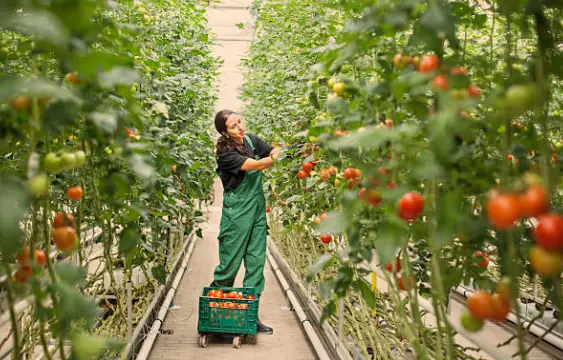
Imagine biting into a sun-ripened tomato, bursting with flavor, even in the depths of winter. Sounds like a dream, right? Well, it doesn't have to be! Growing your own tomatoes in a greenhouse can turn that dream into a delicious reality. Let's explore how to unlock the secrets to a bountiful tomato harvest, regardless of the season.
Growing Tomatoes in a Greenhouse: A Comprehensive Guide
Cultivating tomatoes within the controlled environment of a greenhouse offers a significant advantage, extending the growing season and protecting your precious plants from harsh weather conditions, pests, and diseases. This guide will walk you through every step, from selecting the right tomato varieties to ensuring a thriving and fruitful crop. Think of it as your personalized blueprint for tomato-growing success!
Choosing the Right Tomato Variety for Your Greenhouse
Not all tomatoes are created equal, especially when it comes to greenhouse growing. Selecting the right variety is crucial for maximizing your yields and ensuring delicious, flavorful fruit. Consider factors like growth habit, disease resistance, and your personal taste preferences. Some popular choices for greenhouse cultivation include:
- Determinate Varieties: These tomatoes grow to a specific size and then stop, producing all their fruit at once. They are compact and well-suited for smaller greenhouses or container gardening within a larger greenhouse. Roma and Celebrity are excellent examples.
- Indeterminate Varieties: These are the vining types that continue to grow and produce fruit throughout the season. They require staking, caging, or trellising for support. Popular indeterminate varieties include:
- Beefsteak: Known for their large, meaty fruit, perfect for slicing and sandwiches.
- Cherry Tomatoes: These small, bite-sized tomatoes are sweet and delicious, ideal for salads and snacking. Sungold and Sweet Million are popular choices.
- Heirloom Varieties: These are older varieties that have been passed down through generations, often prized for their unique flavors and colors. Examples include Brandywine and Cherokee Purple.
Disease Resistance: Look for varieties labeled with resistance to common tomato diseases like Verticillium wilt (V), Fusarium wilt (F), and Tomato Mosaic Virus (To MV). This can significantly reduce the risk of crop loss and the need for chemical treatments.
Pollination: While some tomato varieties are self-pollinating, greenhouse-grown tomatoes may benefit from assistance. You can manually pollinate by gently shaking the plants or using a small paintbrush to transfer pollen from flower to flower. Alternatively, you can introduce bees or other pollinators into your greenhouse.
Setting Up Your Greenhouse for Tomato Success
Creating the ideal environment is key togrowing tomatoes in a greenhouse. This involves careful attention to temperature, humidity, ventilation, and lighting. Let's break down the essential components:
Temperature Control
Tomatoes thrive in warm conditions, with an optimal daytime temperature range of 70-80°F (21-27°C) and a nighttime temperature range of 60-65°F (15-18°C). Use a greenhouse heater to maintain these temperatures during cooler months and ventilation systems, such as vents or fans, to prevent overheating during the summer. Automating the temperature control with a thermostat can provide consistent temperature and prevent unexpected temperature swings.
Humidity Management
Maintaining proper humidity levels is crucial for preventing fungal diseases. Aim for a relative humidity of 60-70%. Overly humid conditions can encourage the growth of mold and mildew, while overly dry conditions can stress the plants. Good ventilation is essential for regulating humidity. Consider using a dehumidifier if humidity levels are consistently high.
Ventilation and Air Circulation
Adequate ventilation is essential for preventing disease and ensuring proper pollination. Proper air circulation helps to maintain a uniform temperature throughout the greenhouse and reduces the risk of condensation. Open vents during the day to allow for fresh air exchange and use fans to circulate the air.
Lighting
Tomatoes require at least 6-8 hours of direct sunlight per day. If your greenhouse doesn't receive sufficient sunlight, consider supplementing with grow lights. LED grow lights are an energy-efficient option. The light spectrum is also crucial, with red and blue light being the most important for plant growth.
Planting and Growing Your Tomato Seedlings
You can either start your tomato plants from seed or purchase seedlings from a nursery. Starting from seed gives you more control over the process and allows you to choose from a wider variety of heirloom and specialty tomatoes.
Starting from Seed
Start seeds indoors 6-8 weeks before the last expected frost. Use a seed-starting mix and sow the seeds about ¼ inch deep. Keep the soil moist and warm (around 75°F or 24°C). Once the seedlings emerge, provide them with plenty of light. Transplant the seedlings into larger pots once they have developed their first set of true leaves.
Transplanting Seedlings
Before transplanting your tomato seedlings into the greenhouse, harden them off by gradually exposing them to outdoor conditions for a week or two. This will help them acclimate to the change in environment and reduce transplant shock. Plant the seedlings in well-draining soil amended with compost or other organic matter. Space the plants according to the variety, typically 2-3 feet apart for indeterminate varieties and 1-2 feet apart for determinate varieties. Consider using raised beds or containers to improve drainage and soil quality.
Caring for Your Greenhouse Tomatoes
Once your tomato plants are established in the greenhouse, proper care is essential for ensuring a bountiful harvest.
Watering and Fertilizing
Water tomato plants deeply and regularly, especially during hot weather. Avoid overhead watering, which can promote fungal diseases. Drip irrigation or soaker hoses are excellent options for delivering water directly to the roots. Fertilize tomato plants regularly with a balanced fertilizer, following the manufacturer's instructions. Tomatoes are heavy feeders and require a consistent supply of nutrients for optimal growth and fruit production. As the plants begin to set fruit, switch to a fertilizer with a higher phosphorus and potassium content to promote fruit development.
Pruning and Support
Pruning tomato plants helps to improve air circulation, reduce disease risk, and encourage fruit production. For indeterminate varieties, remove the suckers that grow between the main stem and the branches. These suckers will not produce fruit and will only divert energy away from the main plant. Provide support for tomato plants using stakes, cages, or trellises. This will prevent the plants from falling over and will also improve air circulation around the foliage. Securing them to structures such as stakes helps the plant stay strong and bear fruit.
Pest and Disease Management
Greenhouses provide a protected environment, but pests and diseases can still be a problem. Monitor your tomato plants regularly for signs of pests or diseases. Common pests include aphids, whiteflies, and spider mites. Control pests with insecticidal soap, neem oil, or beneficial insects. Common diseases include early blight, late blight, and Septoria leaf spot. Prevent diseases by providing good air circulation, avoiding overhead watering, and using disease-resistant varieties. Remove any infected leaves or plants immediately to prevent the spread of disease.
As your plants grow, you might find yourself needing a reliable way to water them. A durable garden hose can make all the difference. Consider aGarden Hose 75 FT with 10-Function Nozzle, Leak-proof Metal Connector Water Hose, No Knots, Kink-Free, Lighter, Anti-Pets, Wear-Resistant, 3/4 GHT, Metal Hose for Garden, Yard, Outdoor. This long and flexible watering hose, with its ten adjustable spray patterns, will help you reach every corner of your greenhouse, ensuring your tomatoes get the hydration they need without any hassle. You can find this versatile watering solution here:https://amzn.to/3Yv E0Ba.
Harvesting Your Greenhouse Tomatoes
The moment you've been waiting for – harvesting your delicious greenhouse tomatoes! Tomatoes are typically ready to harvest when they are fully colored and slightly soft to the touch. Gently twist the tomato from the vine, leaving the stem attached. Enjoy your homegrown tomatoes fresh, or use them in your favorite recipes. With the extended growing season provided by a greenhouse, you can enjoy fresh, homegrown tomatoes for months on end.
Troubleshooting Common Problems When Growing Tomatoes in a Greenhouse
Even with the best planning, you might encounter some challenges whengrowing tomatoes in a greenhouse. Here are some common problems and their solutions:
Blossom End Rot
Blossom end rot is a condition caused by calcium deficiency, resulting in a dark, leathery spot on the bottom of the tomato. Prevent blossom end rot by ensuring adequate calcium in the soil and providing consistent watering. Add lime to the soil before planting and use a calcium-rich fertilizer.
Leaf Curling
Leaf curling can be caused by a variety of factors, including excessive heat, lack of water, or nutrient deficiencies. Ensure adequate watering and ventilation and fertilize with a balanced fertilizer. If the problem persists, check for pests or diseases.
Poor Fruit Set
Poor fruit set can be caused by lack of pollination, high temperatures, or nutrient deficiencies. Manually pollinate the plants or introduce pollinators into the greenhouse. Maintain proper temperature and humidity levels and fertilize with a balanced fertilizer. Providing proper support can help encourage fruit set as well.
Enjoying Your Greenhouse Tomato Harvest
Growing tomatoes in a greenhouse is a rewarding experience that allows you to enjoy fresh, homegrown tomatoes even when the weather outside is less than ideal. With careful planning and attention to detail, you can create the perfect environment for your tomatoes to thrive and produce a bountiful harvest. So, get started today and enjoy the taste of summer all year round!