Imagine vibrant bursts of red cascading from a hanging basket, a miniature tomato vineyard right outside your door. Growing cherry tomatoes in a hanging basket isn't just a charming aesthetic choice; it's a surprisingly practical way to enjoy fresh, homegrown goodness, even if you're short on space. It's easier than you might think, and the rewards are delicious! Growing Cherry Tomatoes in Hanging Baskets: A Complete Guide Growing cherry tomatoes in hanging baskets offers a delightful way to bring fresh produce to even the smallest spaces. Whether you have a sprawling garden or a tiny balcony, the vibrant foliage and sweet, juicy fruits of cherry tomatoes add beauty and flavor to your surroundings. This guide will walk you through every step, from choosing the right basket to harvesting your bountiful crop. Consider these tips your keys to unlocking a cascade of delicious cherry tomatoes right at your fingertips! Why Choose Hanging Baskets fo...
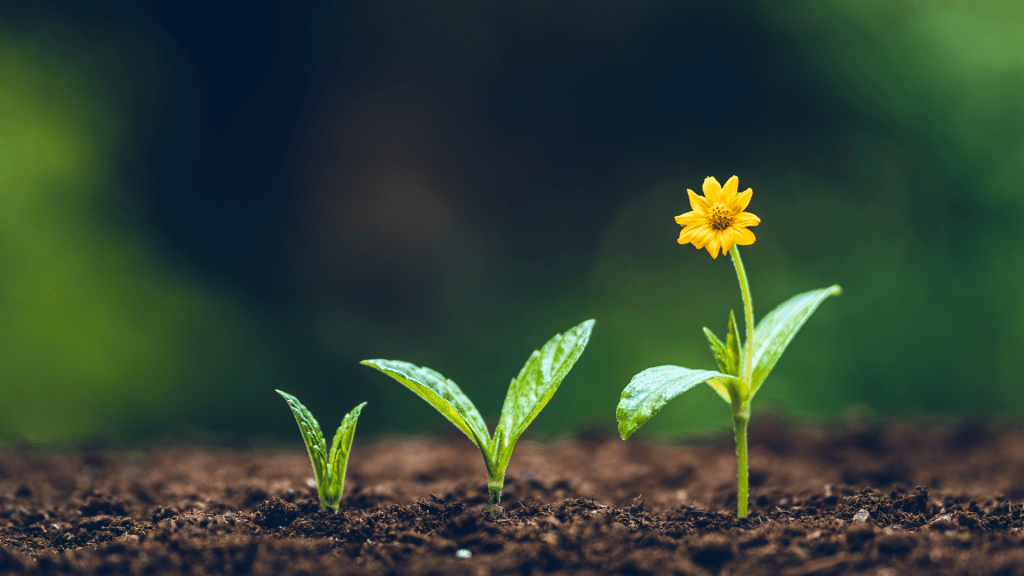
There's nothing quite like the taste of a sun-ripened tomato, bursting with flavour and sweetness, fresh from your own garden. And while growing tomatoes might seem daunting, especially if you're thinking of the cordon (or indeterminate) variety, with a little planning and care, you can successfully nurture these beauties outdoors and enjoy a bountiful harvest.
Growing Cordon Tomatoes Outdoors: A Complete Guide
Cordon tomatoes, also known as indeterminate tomatoes, are varieties that continue to grow and produce fruit throughout the growing season. Unlike bush or determinate tomatoes which grow to a specific size and then stop, cordon tomatoes require staking or support to stay upright as they can grow very tall and heavy. This continuous growth habit means a longer harvest period and a potentially larger yield, making them a popular choice for gardeners. This comprehensive guide will walk you through everything you need to know about successfullygrowing cordon tomatoes outside, from choosing the right variety to harvesting your delicious crop.
Choosing the Right Cordon Tomato Variety for Outdoor Growing
Selecting the right variety is the first crucial step. Consider your local climate, the amount of sunlight your garden receives, and your personal taste preferences. Some cordon varieties are better suited to cooler climates, while others thrive in hotter conditions. Look for varieties that are disease-resistant, especially if you've had problems with tomato diseases in the past. You should also research different kinds of flavors to decide which tomato you want to grow.
Popular Cordon Tomato Varieties for Outdoor Growing:
- 'Sungold': A very popular choice, famous for its incredibly sweet, golden-orange cherry tomatoes. Perfect for snacking straight from the vine.
- 'Gardener's Delight': A classic red cherry tomato, known for its reliable yields and excellent flavor. A good all-around choice for beginner gardeners.
- 'Brandywine': A heirloom variety producing large, beefsteak-type tomatoes with a rich, complex flavour. Requires a longer growing season.
- 'San Marzano': An Italian plum tomato, prized for its meaty flesh and low seed content. Ideal for making sauces and pastes.
- 'Black Krim': An heirloom variety with dark reddish-purple fruit and a smoky, slightly salty flavor. Tolerant of cooler climates.
When choosing your tomato varieties, don't be afraid to experiment! Try a few different types to see which ones perform best in your garden and which flavours you enjoy the most. Consider early, mid, and late-season varieties to extend your harvest.
Preparing Your Garden for Cordon Tomato Plants
Proper soil preparation is essential forgrowing healthy cordon tomatoes outdoors. Tomatoes need well-drained soil that is rich in organic matter. Choose a location that receives at least 6-8 hours of direct sunlight each day. Sunlight is essential for tomato development, lack of sun light will affect the tomato growth.
Soil Preparation Steps:
- Soil Testing: Ideally, conduct a soil test to determine the p H level and nutrient content of your soil. Tomatoes prefer a slightly acidic soil with a p H between 6.0 and
6.8.
- Amending the Soil: Based on your soil test results, amend the soil with organic matter such as compost, well-rotted manure, or leaf mold. This will improve drainage, aeration, and nutrient content.
- Adding Fertilizer: Incorporate a slow-release tomato fertilizer into the soil at planting time. Look for a fertilizer with a balanced N-P-K ratio (e.g., 5-10-5) or one specifically formulated for tomatoes.
- Improving Drainage: If your soil is heavy clay, consider adding sand or perlite to improve drainage. Raised beds can also be beneficial in areas with poor drainage.
Creating a healthy soil environment will provide your tomato plants with the foundation they need to thrive. Remember, healthy soil equals healthy plants and a bountiful harvest! The key to successful tomato growing lies in providing them with the right growing conditions right from the start.
Planting Your Cordon Tomato Seedlings
Once your garden is prepared, it's time to plant your tomato seedlings. You can either start your own seeds indoors 6-8 weeks before the last expected frost or purchase seedlings from a local nursery. When transplanting, choose healthy, robust seedlings with thick stems and no signs of disease.
Planting Procedure:
- Hardening Off: Before transplanting, gradually acclimate your seedlings to outdoor conditions by hardening them off for a week or two. Start by placing them outdoors in a sheltered location for a few hours each day, gradually increasing the amount of time they spend outdoors.
- Planting Depth: Plant your tomato seedlings deeper than they were growing in their pots. This encourages the development of roots along the buried stem, resulting in a stronger, more robust plant.
- Spacing: Space your cordon tomato plants at least 2-3 feet apart to allow for adequate air circulation and sunlight penetration.
- Watering: Water thoroughly after planting to help settle the soil around the roots.
- Mulching: Apply a layer of organic mulch around the base of the plants to help retain moisture, suppress weeds, and regulate soil temperature.
It's crucial to avoid transplant shock by watering immediately after planting and protecting the seedlings from strong winds and extreme temperatures. Provide your seedlings with a gentle start to ensure strong growth and healthy tomato fruits.
Providing Support for Cordon Tomatoes: Staking, Caging, and Training
As cordon tomatoes grow, they will require support to prevent them from sprawling on the ground. This is essential forgrowing cordon tomatoes outside as sprawling plants are more susceptible to disease and pests, and the fruit may not ripen properly. There are several options for providing support, including staking, caging, and training along a trellis.
Support Systems:
- Staking: Drive a sturdy stake into the ground near each tomato plant, about 6-8 inches away from the stem. As the plant grows, tie the stem to the stake using soft twine or tomato clips.
- Caging: Place a wire tomato cage around each plant at planting time. This provides support as the plant grows and allows the tomatoes to ripen off the ground.
- Trellising: Train your tomato plants along a trellis by tying the stems to the trellis wires as they grow. This is a good option for saving space in smaller gardens.
Regardless of the support system you choose, it's important to provide it early in the plant's growth. This will prevent the plant from falling over as it becomes heavier with fruit. Regularly check the ties or clips to ensure they are not constricting the stem.
Watering and Fertilizing Cordon Tomatoes
Consistent watering and regular fertilization are crucial forgrowing cordon tomatoes outdoors and ensuring a bountiful harvest. Tomatoes need consistent moisture to develop properly, especially during fruit development. Overwatering and underwatering can lead to problems such as blossom end rot or cracking fruit.
Watering and Fertilizing Tips:
- Watering: Water deeply and regularly, especially during hot, dry weather. Aim for about 1-2 inches of water per week, either through rainfall or irrigation. Water at the base of the plant to avoid wetting the foliage, which can lead to disease.
- Fertilizing: Feed your tomato plants regularly with a balanced tomato fertilizer. Follow the instructions on the fertilizer package. You can also use liquid fertilizers every 2-3 weeks to provide a quick boost of nutrients.
- Blossom End Rot: Blossom end rot is caused by a calcium deficiency, often due to inconsistent watering. Ensure consistent watering and consider adding calcium to the soil if you've had problems with blossom end rot in the past.
Observing your tomato plants carefully can help you determine their watering and fertilization needs. Yellowing leaves may indicate a nutrient deficiency, while wilting leaves may indicate underwatering. Adjust your watering and fertilization schedule accordingly.
Pruning Cordon Tomatoes for Optimal Growth
Pruning is an important aspect ofgrowing cordon tomatoes. Since cordon tomatoes grow continuously, pruning helps to control their size and shape, improve air circulation, and encourage fruit production. The main goal of pruning is to remove suckers, which are small shoots that grow in the angle between the main stem and the branches.
Pruning Techniques:
- Removing Suckers: Pinch off suckers regularly, ideally when they are small (2-3 inches long). This will encourage the plant to put its energy into producing fruit rather than foliage.
- Removing Lower Leaves: As the plant grows, remove the lower leaves that are touching the soil. This will improve air circulation and reduce the risk of disease.
- Topping the Plant: Towards the end of the growing season, you can top the plant by cutting off the top of the main stem. This will encourage the plant to focus its energy on ripening the existing fruit.
Always use clean, sharp pruning shears to avoid spreading disease. Prune on a dry day to allow the cuts to heal quickly. Regular pruning will help your tomato plants stay healthy and productive throughout the growing season.
Protecting Your Cordon Tomatoes from Pests and Diseases
Tomatoes are susceptible to a variety of pests and diseases, so it's important to take preventative measures to protect your plants. Regular inspection can help you catch problems early before they become serious.
Common Pests and Diseases:
- Aphids: Small, sap-sucking insects that can weaken plants. Control aphids with insecticidal soap or a strong blast of water.
- Tomato Hornworms: Large green caterpillars that can quickly defoliate tomato plants. Handpick hornworms and drop them into a bucket of soapy water.
- Whiteflies: Small, white, flying insects that feed on plant sap. Control whiteflies with insecticidal soap or yellow sticky traps.
- Early Blight: A fungal disease that causes dark spots on the leaves. Remove affected leaves and apply a fungicide.
- Late Blight: A devastating fungal disease that can quickly kill tomato plants. Remove and destroy affected plants.
- Blossom End Rot: A physiological disorder caused by calcium deficiency. Ensure consistent watering and consider adding calcium to the soil.
Practicing good garden hygiene can help prevent many pest and disease problems. Remove fallen leaves and debris from around the plants, and avoid overcrowding. Rotate your crops each year to prevent soilborne diseases from building up.
Harvesting and Storing Your Cordon Tomatoes
The moment you've been waiting for! Knowing when and how to harvest your cordon tomatoes is crucial for enjoying their full flavor. Tomatoes are generally ready to harvest when they are fully coloured and slightly soft to the touch. Gently twist the tomato from the vine, leaving the stem attached.
Harvesting and Storage Tips:
- Harvesting: Harvest tomatoes regularly as they ripen. This will encourage the plant to produce more fruit.
- Storage: Store ripe tomatoes at room temperature for the best flavor. Avoid refrigerating them, as this can diminish their flavour and texture.
- Green Tomatoes: If frost threatens, harvest any remaining green tomatoes and ripen them indoors. Place them in a paper bag with an apple or banana, which will release ethylene gas and speed up the ripening process.
Enjoy your homegrown tomatoes fresh, or use them in your favorite recipes. From salads and sandwiches to sauces and salsas, the possibilities are endless!
To ensure your tomato plants are getting the hydration they need, consider using a reliablegarden hose 75 FT with a 10-Function Nozzle. This no-kink, kink-freehose features leak-proof metal connectorsand is designed to be wear-resistant, so you can easily water your plants without any hassle. Plus, it'slighter and anti-pets, making it an ideal addition to your gardening setup. You can purchase this versatile metal hose for your gardenhere:https://amzn.to/3Yv E0Bo.