Imagine vibrant bursts of red cascading from a hanging basket, a miniature tomato vineyard right outside your door. Growing cherry tomatoes in a hanging basket isn't just a charming aesthetic choice; it's a surprisingly practical way to enjoy fresh, homegrown goodness, even if you're short on space. It's easier than you might think, and the rewards are delicious! Growing Cherry Tomatoes in Hanging Baskets: A Complete Guide Growing cherry tomatoes in hanging baskets offers a delightful way to bring fresh produce to even the smallest spaces. Whether you have a sprawling garden or a tiny balcony, the vibrant foliage and sweet, juicy fruits of cherry tomatoes add beauty and flavor to your surroundings. This guide will walk you through every step, from choosing the right basket to harvesting your bountiful crop. Consider these tips your keys to unlocking a cascade of delicious cherry tomatoes right at your fingertips! Why Choose Hanging Baskets fo...
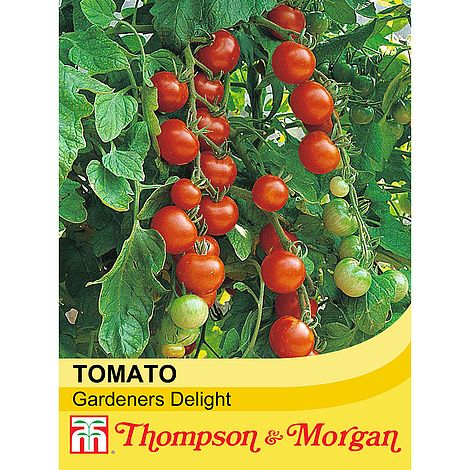
Ah, the Gardener's Delight tomato – a name that perfectly encapsulates the joy of harvesting these little bursts of sunshine. But, as any gardener knows, a "delight"ful harvest doesn't just happen. It requires a little know-how, a sprinkle of patience, and maybe a touch of green thumb magic. Let's dive into the secrets of growing these sweet and prolific tomatoes and ensure you have a bumper crop to boast about!
Gardener's Delight Tomato Growing Tips: A Comprehensive Guide
Selecting the Right Start: Seedlings vs. Seeds for Gardener's Delight
Your Gardener's Delight tomato growing journey begins with a crucial decision: starting from seeds or opting for established seedlings. Each approach has its advantages, and the best choice depends on your experience level, available time, and gardening resources.
Starting from Seeds: A Rewarding (But Demanding) Path
Growing Gardener's Delight tomatoes from seed offers complete control over the process, from choosing the specific variety to nurturing them from the very beginning. This approach is perfect if you're looking for a budget-friendly option, a specific heirloom, or just enjoy the challenge. However, it requires more time and attention.
- Timing is Key: Start seeds indoors 6-8 weeks before the last expected frost. This gives the seedlings ample time to develop before transplanting them outdoors.
- Ideal Environment: Use a seed-starting mix and provide warmth (around 70-75°F) and consistent moisture. A heat mat can significantly improve germination rates.
- Light Matters: Once seedlings emerge, they need plenty of light. If you don't have a sunny windowsill, consider using grow lights. Leggy seedlings (tall and spindly) indicate insufficient light.
- Hardening Off: Before transplanting, gradually acclimate the seedlings to outdoor conditions. This "hardening off" process prevents shock and ensures they thrive in their new environment. Expose them to increasing amounts of sunlight and wind over a week or two.
Remember, seed starting isn't a race; it's a marathon. Patience and careful observation are your best friends. Watch out for common problems like damping-off (a fungal disease that kills seedlings) and address them promptly.
Choosing Seedlings: A Convenient Head Start
Purchasing established Gardener's Delight seedlings is a convenient way to bypass the early stages of tomato growing. This is a great option for beginner gardeners or those with limited time. When selecting seedlings, look for plants that are:
- Healthy and Vibrant: Choose seedlings with sturdy stems, deep green leaves, and no signs of disease or pests.
- Well-Rooted: Gently remove the seedling from its container and check the roots. They should be white or light brown and not overly crowded.
- Avoid Leggy Plants: Steer clear of seedlings that are tall and spindly, as they may be weak and less productive.
Even with seedlings, hardening off is still recommended. While they're more mature than newly sprouted seeds, they still need time to adjust to the outdoor environment before being planted.
Optimal Growing Conditions for a Bountiful Gardener's Delight Harvest
Gardeners Delight tomatoes, like most tomatoes, thrive in specific conditions. Providing these ideal conditions will greatly increase your chances of a successful and abundant harvest.
Sunlight: The Engine of Tomato Growth
Sunlight is the lifeblood of your Gardener's Delight tomato plant. These tomatoes need at least6-8 hours of direct sunlight per day to develop their characteristic sweetness and produce abundant fruit. Without sufficient sunlight, the plants will become leggy, produce fewer flowers, and the tomatoes will be smaller and less flavorful. Choose a location in your garden that receives full sun throughout the day. If you're growing in containers, make sure you can easily move the plants to follow the sun's path. If natural sunlight is limited, supplement with grow lights, especially if you are growing indoors.
Soil: The Foundation of Your Tomato Plant
The soil you plant your Gardener's Delight tomatoes in should be well-draining, fertile, and slightly acidic (p H between 6.0 and
6.8). Heavy clay soil can suffocate the roots, while sandy soil drains too quickly and doesn't retain nutrients. To improve soil quality, amend it with compost, well-rotted manure, or other organic matter. This will improve drainage, aeration, and nutrient content. Consider raised beds or containers if your native soil is particularly poor. A good starting mix should contain the following components:
Loam: Provides good structure and water retention. Sand: Improves drainage and aeration. Compost: Adds nutrients and organic matter. Perlite or Vermiculite: Improves drainage and aeration.
Watering: Striking the Right Balance
Watering is critical, but overwatering can be as harmful as underwatering. Water deeply and regularly, especially during dry spells. Aim for about 1-2 inches of water per week, depending on weather conditions. Water at the base of the plant to avoid wetting the foliage, which can promote fungal diseases. Mulching around the plants will help retain moisture and suppress weeds. Check the soil moisture regularly by sticking your finger a couple of inches into the soil. If it feels dry, it's time to water. Invest in a goodgarden hose with a versatile nozzle like the Garden Hose 75 FT with 10-Function Nozzle for easy and efficient watering, it also features a leak-proof metal connector for garden, yard, or outdoor cleaning tasks. Check it out here: https://amzn.to/3Yv E0Bo. This adjustable hose ensures your precious tomato plants always get the moisture they need with various spray patterns.
Temperature: The Sweet Spot for Growth
Gardeners Delight tomatoes are warm-season crops and thrive in temperatures between 65°F and 85°F (18°C and 29°C). They are sensitive to frost, so don't plant them outdoors until the danger of frost has passed. If temperatures drop unexpectedly, protect the plants with row covers or blankets. High temperatures can also be detrimental, causing blossom drop (when flowers fall off without producing fruit). Provide shade during the hottest part of the day or consider using shade cloth if temperatures consistently exceed 90°F (32°C).
Supporting Your Gardener's Delight: Staking, Caging, and Pruning
Gardeners Delight tomatoes are indeterminate, meaning they continue to grow and produce fruit throughout the growing season. This requires proper support and pruning to keep the plants healthy and productive.
Staking: Providing Vertical Support
Staking is a simple and effective way to support your Gardener's Delight tomato plants. It involves driving a sturdy stake into the ground near the plant and tying the main stem to the stake with soft twine or fabric strips. Staking helps to keep the plants upright, prevents the fruit from touching the ground (reducing the risk of rot), and improves air circulation. Use stakes that are at least 6 feet tall to accommodate the plant's growth. Tie the stem loosely to allow for growth and avoid girdling the plant.
Caging: A More Encompassing Support System
Caging involves placing a wire cage around the tomato plant to provide all-around support. Cages are more expensive than stakes, but they require less maintenance and can support a larger plant. Choose cages that are at least 18 inches in diameter and 4-5 feet tall. Make sure the cage is sturdy enough to withstand the weight of the plant and the fruit. You can purchase pre-made tomato cages or make your own from wire fencing.
Pruning: Directing Growth and Improving Airflow
Pruning is the selective removal of suckers (small shoots that grow from the point where the branches meet the main stem) to improve airflow, reduce disease, and encourage fruit production. While some gardeners leave the suckers to grow into additional stems, pruning them can result in larger, more flavorful tomatoes. To prune your Gardener's Delight tomato plants, pinch off the suckers when they are small (a few inches long). Avoid pruning excessively, as this can reduce the plant's ability to photosynthesize. Focus on removing suckers from the bottom of the plant to improve airflow and reduce the risk of soilborne diseases.
Common Pests and Diseases Affecting Gardener's Delight Tomatoes: Prevention and Treatment
Gardeners Delight tomatoes, like all plants, are susceptible to various pests and diseases. Early detection and prompt treatment are essential for maintaining healthy plants and a bountiful harvest.
Common Pests
- Aphids: Small, soft-bodied insects that suck sap from the plant. Control them with insecticidal soap or a strong blast of water.
- Tomato Hornworms: Large, green caterpillars that can quickly defoliate a plant. Handpick them and drop them into a bucket of soapy water.
- Whiteflies: Small, white, flying insects that feed on the underside of leaves. Control them with insecticidal soap or sticky traps.
- Spider Mites: Tiny, spider-like pests that suck sap from the plant, causing stippling on the leaves. Control them with miticides or a strong blast of water.
Common Diseases
- Early Blight: A fungal disease that causes brown spots on the leaves, starting from the bottom of the plant. Remove infected leaves and apply a fungicide.
- Late Blight: A more serious fungal disease that can quickly kill a tomato plant. It is characterized by brown, water-soaked lesions on the leaves and stems. Remove infected plants and apply a fungicide.
- Septoria Leaf Spot: A fungal disease that causes small, circular spots on the leaves. Remove infected leaves and apply a fungicide.
- Blossom End Rot: A physiological disorder caused by calcium deficiency. It results in a black, leathery spot on the bottom of the tomato. Prevent it by providing adequate calcium and consistent watering.
Prevention is Key
The best way to deal with pests and diseases is to prevent them from occurring in the first place. Here are some preventative measures you can take:
- Choose disease-resistant varieties.
- Plant in well-draining soil.
- Provide adequate sunlight and air circulation.
- Water at the base of the plant.
- Mulch around the plants.
- Rotate crops each year.
- Monitor your plants regularly for signs of pests or diseases.
Harvesting Your Gardener's Delight Tomatoes: The Sweetest Reward
After all your hard work, the moment you've been waiting for has arrived: harvesting your Gardener's Delight tomatoes! Knowing when and how to harvest them properly will ensure you enjoy the sweetest and most flavorful fruits.
When to Harvest
Gardeners Delight tomatoes are typically ready to harvest about 65-75 days after transplanting. The tomatoes will turn a deep red color and be slightly soft to the touch. The flavor will also be at its peak when they are fully ripe.
How to Harvest
To harvest your Gardener's Delight tomatoes, gently twist or cut them from the vine. Avoid pulling them off, as this can damage the plant. Handle the tomatoes carefully to avoid bruising them. Store them at room temperature, away from direct sunlight, for the best flavor. Refrigerating tomatoes can dull their flavor.
Enjoying Your Harvest
Gardeners Delight tomatoes are delicious eaten fresh, in salads, or used in sauces and other dishes. They are also great for canning or freezing. Share your harvest with friends and family and savor the fruits of your labor!