Imagine vibrant bursts of red cascading from a hanging basket, a miniature tomato vineyard right outside your door. Growing cherry tomatoes in a hanging basket isn't just a charming aesthetic choice; it's a surprisingly practical way to enjoy fresh, homegrown goodness, even if you're short on space. It's easier than you might think, and the rewards are delicious! Growing Cherry Tomatoes in Hanging Baskets: A Complete Guide Growing cherry tomatoes in hanging baskets offers a delightful way to bring fresh produce to even the smallest spaces. Whether you have a sprawling garden or a tiny balcony, the vibrant foliage and sweet, juicy fruits of cherry tomatoes add beauty and flavor to your surroundings. This guide will walk you through every step, from choosing the right basket to harvesting your bountiful crop. Consider these tips your keys to unlocking a cascade of delicious cherry tomatoes right at your fingertips! Why Choose Hanging Baskets fo...
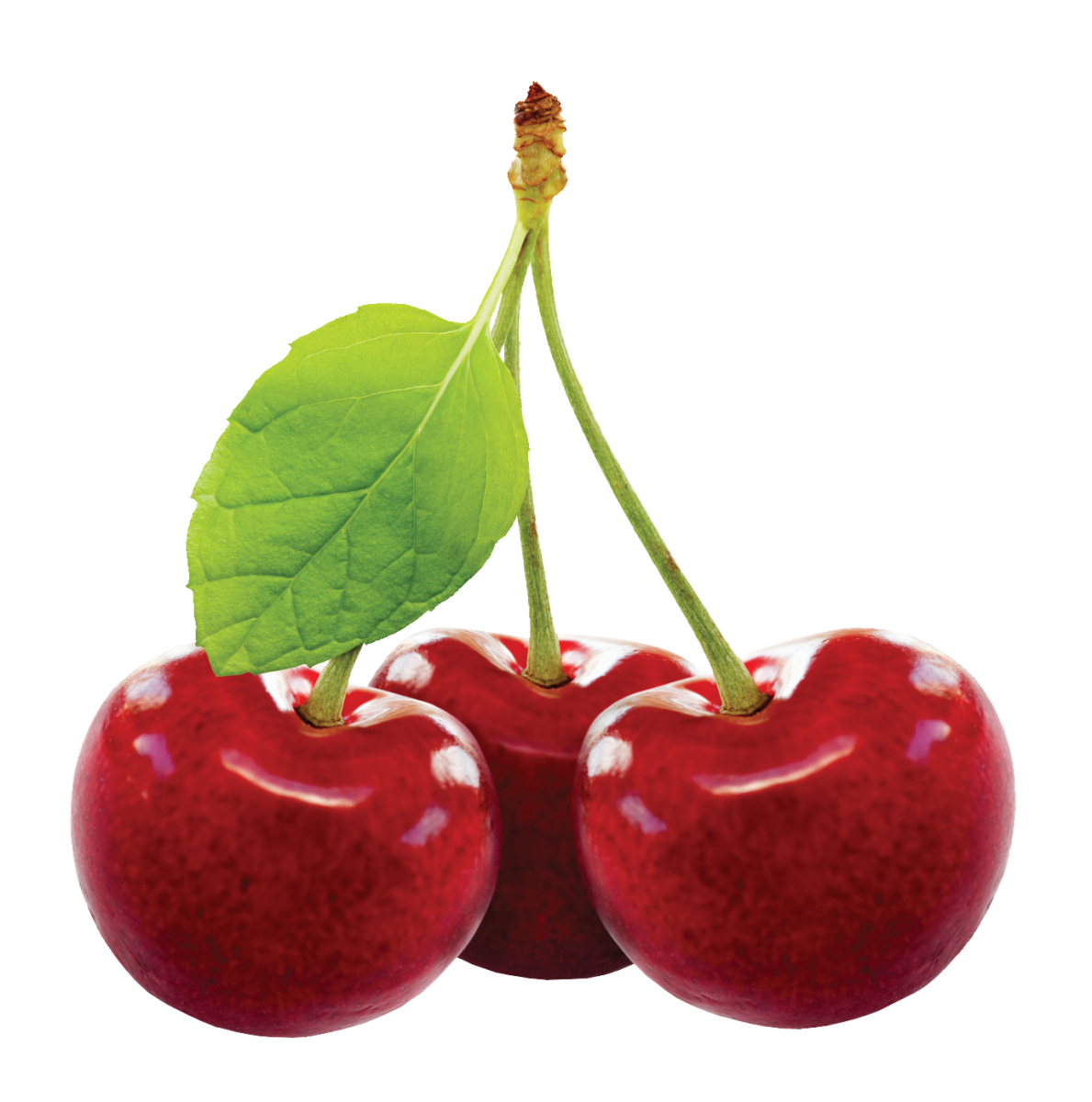
Picture this: a warm summer day, you stroll into your garden, and pluck a handful of bright red, juicy cherry tomatoes straight from the vine. The taste? Unmatched. The experience? Pure joy. Growing your own cherry tomatoes at home is easier than you might think, and the rewards are absolutely delicious. Let's dive into how you can make this a reality!
The Allure of Homegrown Cherry Tomatoes
There’s just something special about a tomato you’ve nurtured from a tiny seed. Beyond the taste, growing cherry tomatoes at home offers a sense of accomplishment, a connection to nature, and the satisfaction of knowing exactly what’s gone into your food. You control the pesticides, the fertilizers, and the harvesting time, ensuring the freshest, healthiest, and most flavorful tomatoes possible. Plus, it's a great way to introduce gardening to kids!
Choosing the Right Cherry Tomato Variety to Grow at Home
The first step to a successful cherry tomato harvest is selecting the right variety. The good news? There are tons of options, each with unique characteristics. Here's a breakdown of some popular choices:
'Sweet Million': As the name suggests, these are known for their exceptional sweetness and high yield. They're relatively easy to grow and disease-resistant, making them a great choice for beginners.
'Sungold': These bright orange tomatoes are prized for their intense, fruity flavor. They tend to be a bit more delicate than other varieties, but their taste is well worth the effort.
'Black Cherry': These dark, almost black tomatoes have a complex, slightly smoky flavor that’s a real treat. They're also quite productive and visually striking.
'Grape Tomato': Oblong and firm, these tomatoes are known for their crunchy texture and mild flavor. They are also a good choice for beginners.
Consider your local climate when choosing a variety. Some varieties thrive in hotter climates, while others prefer cooler temperatures. Check seed packets or consult with your local nursery for recommendations.
Starting Your Cherry Tomato Plants: Seeds vs. Seedlings
You have two main options for starting your cherry tomato plants: from seeds or from seedlings (also called "starts"). Each has its own advantages:
Starting from seeds: This allows you to choose from a wider range of varieties and is generally more economical. However, it requires more time and effort, including indoor setup with grow lights or a sunny windowsill. You'll need to start seeds indoors 6-8 weeks before the last expected frost.
Buying seedlings: This is a quicker and easier option, especially for beginners. Seedlings are already established and ready to transplant into your garden. However, you'll have fewer variety options, and the cost will be higher.
If you choose to start from seeds, use a seed-starting mix and provide adequate light and warmth. Keep the soil consistently moist but not waterlogged. Once the seedlings have developed a few sets of true leaves, they can be hardened off (gradually exposed to outdoor conditions) before transplanting.
When to Plant Your Cherry Tomatoes at Home
Timing is crucial for successful cherry tomato growing. You should transplant your cherry tomato plants outdoors after the last expected frost. The soil temperature should be at least 60°F (15°C). For many regions, this is typically in late spring or early summer. Planting too early can damage the plants due to cold temperatures, while planting too late may shorten the growing season. To make things easier around the garden, you might want to check out theGarden Hose 75 FT with 10-Function Nozzle, Leak-proof Metal Connector Water Hose, No Knots, Kink-Free, Lighter, Anti-Pets, Wear-Resistant, 3/4 GHT, Metal Hose for Garden, Yard, Outdoor, which is a reliable option for watering your plants with ease. This versatile hose boasts 10 different spray patterns and a durable, kink-free design, ensuring your cherry tomatoes get the hydration they need. Find it here:https://amzn.to/3Yv E0Bo
Planting Your Cherry Tomatoes: Location, Soil, and Support
Cherry tomatoes thrive in sunny locations with well-drained soil. Choose a spot that receives at least 6-8 hours of direct sunlight per day. Before planting, amend the soil with compost or other organic matter to improve drainage and fertility. Here's a more detailed breakdown:
Sunlight: Cherry tomatoes need plenty of sun to produce abundant fruit.
Soil: Loamy, well-draining soil is ideal. Avoid heavy clay soils that retain too much water.
Spacing: Space plants 2-3 feet apart to allow for adequate air circulation. This helps prevent disease.
Support: Cherry tomato plants can become quite large and sprawling. Provide support in the form of stakes, cages, or trellises to keep the plants upright and prevent the fruit from touching the ground.
When planting, dig a hole slightly larger than the root ball of the plant. Gently remove the plant from its container and loosen the roots. Place the plant in the hole and backfill with soil, gently firming around the base. Water thoroughly after planting.
Caring for Your Cherry Tomato Plants: Watering, Fertilizing, and Pruning
Once your cherry tomato plants are in the ground, they'll need regular care to thrive. Here's a guide to watering, fertilizing, and pruning:
Watering: Water deeply and regularly, especially during hot, dry weather. Avoid overhead watering, which can promote disease. Aim to water at the base of the plant, keeping the foliage dry. A good rule of thumb is to provide about 1-2 inches of water per week.
Fertilizing: Cherry tomatoes are heavy feeders and benefit from regular fertilization. Use a balanced fertilizer formulated for tomatoes, following the instructions on the package. Avoid over-fertilizing, which can lead to excessive foliage growth and reduced fruit production.
Pruning: Pruning can improve air circulation, reduce disease, and encourage fruit production. Remove suckers (small shoots that grow in the junction between the main stem and a branch) to direct the plant's energy towards fruit development. You can also remove yellowing or diseased leaves.
Also keep an eye out for pests and diseases. Common pests include aphids, tomato hornworms, and whiteflies. Diseases include early blight, late blight, and blossom end rot. Use organic pest control methods and disease-resistant varieties to minimize problems. Crop rotation can also reduce disease buildup in the soil.
Harvesting and Enjoying Your Homegrown Cherry Tomatoes
The moment you've been waiting for! Cherry tomatoes are typically ready to harvest 55-80 days after transplanting. The fruit should be fully colored and slightly soft to the touch. Gently twist or snip the tomatoes from the vine. Harvest regularly to encourage continued production.
Once harvested, cherry tomatoes can be enjoyed in a variety of ways. Eat them fresh off the vine, add them to salads, roast them, or use them to make sauces and salsas. Store them at room temperature for a few days or in the refrigerator for longer storage. You can even freeze them for later use.
Troubleshooting Common Cherry Tomato Problems at Home
Even with the best care, you may encounter some challenges when growing cherry tomatoes at home. Here are some common problems and how to address them:
Blossom End Rot: This is caused by calcium deficiency and results in dark, sunken spots on the bottom of the fruit. To prevent this, ensure your soil is well-drained and amend it with calcium-rich materials like bone meal or crushed eggshells. Water consistently to avoid fluctuations in soil moisture.
Cracking: This can occur when tomatoes ripen quickly after a period of drought. Water consistently and avoid over-fertilizing.
Pests: Monitor plants regularly for pests and take action promptly. Use insecticidal soap, neem oil, or other organic pest control methods.
Diseases: Choose disease-resistant varieties and provide good air circulation to prevent fungal diseases. Remove infected leaves and use fungicides if necessary.
Growing cherry tomatoes at home is a rewarding experience that provides you with fresh, delicious, and healthy food. With a little planning and care, you can enjoy a bountiful harvest of these little gems all summer long. Happy gardening!