Imagine vibrant bursts of red cascading from a hanging basket, a miniature tomato vineyard right outside your door. Growing cherry tomatoes in a hanging basket isn't just a charming aesthetic choice; it's a surprisingly practical way to enjoy fresh, homegrown goodness, even if you're short on space. It's easier than you might think, and the rewards are delicious! Growing Cherry Tomatoes in Hanging Baskets: A Complete Guide Growing cherry tomatoes in hanging baskets offers a delightful way to bring fresh produce to even the smallest spaces. Whether you have a sprawling garden or a tiny balcony, the vibrant foliage and sweet, juicy fruits of cherry tomatoes add beauty and flavor to your surroundings. This guide will walk you through every step, from choosing the right basket to harvesting your bountiful crop. Consider these tips your keys to unlocking a cascade of delicious cherry tomatoes right at your fingertips! Why Choose Hanging Baskets fo...
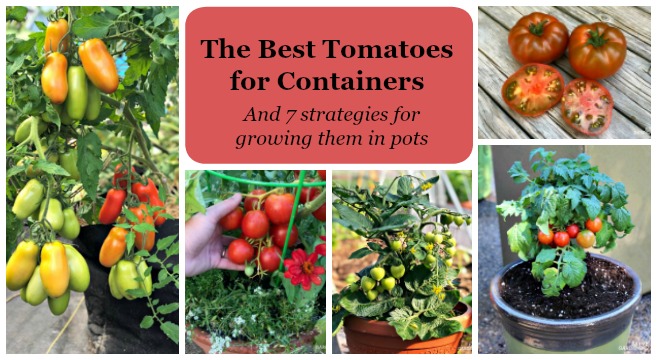
There's nothing quite like the taste of a sun-ripened tomato, fresh from your own garden. But what if you don't have a sprawling backyard? Don't worry! Growing tomatoes in containers is totally doable, and can be incredibly rewarding. The key, though, is choosing the right container. Let's dive into the wonderful world of tomato containers and get your plants thriving!
Choosing the Best Containers For Tomatoes
When it comes to selecting containers for your tomato plants, size, material, and drainage are crucial factors to consider. The best containers for tomatoes will provide enough room for root development, proper water drainage to prevent root rot, and be made of materials that won't overheat the soil.
Container Size: Bigger is Better for Tomato Plants
Size truly matters when it comes to growing tomatoes in pots. Tomatoes are vigorous growers with extensive root systems, especially indeterminate varieties which can grow very tall. A pot that's too small will restrict root growth, leading to stunted plants and reduced fruit production. Consider this analogy: Think of a child's foot fitting into shoes. If they put shoes on that are too small, their feet will be scrunched and uncomfortable which will cause pain. Similarly, tomatoes will be stunted and not produce as much fruit when they are planted in a pot too small for them.
Minimum Container Size Recommendations for Tomatoes:
- Determinate (Bush) Tomatoes: At least 20 inches in diameter and 12 inches deep, or approximately 10-15 gallons. These varieties are more compact and don't require as much space as their indeterminate cousins.
- Indeterminate (Vining) Tomatoes: At least 24 inches in diameter and 18 inches deep, or approximately 20-25 gallons. These tomatoes grow tall and need a larger root system to support their growth and fruit production.
While these are minimum recommendations, going larger is always a good idea. A larger container will provide more soil volume, which translates to better water retention and nutrient availability, creating a healthier root environment for your tomato plants.
Container Materials: A Guide to Tomato Pot Options
The material your container is made of affects soil temperature, water retention, and the overall health of your tomato plant. Here's a breakdown of common container materials:
Plastic Containers: Affordable and Lightweight
Plastic pots are a popular choice for container gardening because they're affordable, lightweight, and come in a variety of sizes and shapes. They also retain moisture well, which can be beneficial in hot, dry climates. However, dark-colored plastic containers can absorb a lot of heat, potentially overheating the soil. Opt for lighter colors or consider painting darker pots with a reflective paint to mitigate this issue.
Pros of Plastic Containers:
- Affordable
- Lightweight and easy to move
- Good moisture retention
- Available in various sizes and colors
Cons of Plastic Containers:
- Can overheat in direct sunlight (especially dark colors)
- May not be as durable as other materials
- Lower breathability
Terracotta Pots: Classic and Breathable
Terracotta pots are a classic choice for gardeners. Their porous nature allows for good air circulation, which helps prevent root rot. However, they also dry out more quickly than plastic pots, so you'll need to water more frequently. Terracotta is also heavier than plastic and can be more prone to cracking in freezing temperatures.
Pros of Terracotta Pots:
- Good air circulation and drainage
- Aesthetically pleasing
- Durable (if protected from freezing)
Cons of Terracotta Pots:
- Dries out quickly, requiring more frequent watering
- Heavier than plastic
- Can crack in freezing temperatures
Fabric Pots: Excellent Air Pruning and Drainage
Fabric pots, also known as grow bags, are a relatively new option that's gaining popularity. They're made of breathable fabric, which allows for excellent air circulation and drainage. This "air pruning" effect encourages the roots to branch out, creating a denser and healthier root system. Fabric pots are also lightweight and collapsible, making them easy to store.
Pros of Fabric Pots:
- Excellent air circulation and drainage
- Air pruning promotes healthy root growth
- Lightweight and easy to store
- Helps prevent root circling
Cons of Fabric Pots:
- Dries out quickly, requiring more frequent watering
- May require a saucer to catch drainage
- Can be less aesthetically pleasing than other options
Other Container Options: Wooden Boxes, Metal Containers, and More
Don't limit yourself to just plastic, terracotta, or fabric! You can also use wooden boxes, metal containers, or even repurposed items like old buckets or tubs. Just make sure the container is large enough, has adequate drainage, and is made of a food-safe material. For example, if you're using a metal container, ensure it's not made of galvanized steel, which can leach zinc into the soil.
Having a reliable water source is crucial for maintaining healthy tomato plants, especially in containers. I recently invested in a greatgarden hosefor watering my plants. The Garden Hose 75 FT with 10-Function Nozzle, boasting a leak-proof metal connector and kink-free design, has made watering a breeze. You can find it here: https://amzn.to/3Yv E0Bo.
Drainage: Essential for Healthy Tomato Plants
Proper drainage is absolutely critical for growing healthy tomato plants in containers. Tomatoes are susceptible to root rot if their roots are constantly sitting in water. Ensure your chosen container has adequate drainage holes at the bottom to allow excess water to escape. If your container doesn't have drainage holes, you can drill some yourself.
Improving Drainage in Your Tomato Containers:
- Add a Layer of Gravel or Stones: Placing a layer of gravel or stones at the bottom of the container can help improve drainage. However, this isn't always necessary, and some gardeners believe it can actually impede drainage.
- Use a Well-Draining Potting Mix: Avoid using garden soil in containers, as it can become compacted and poorly drained. Instead, use a high-quality potting mix specifically formulated for containers.
- Elevate Your Containers: Placing your containers on bricks or pot feet can improve air circulation and drainage.
Tips for Success with Container Tomatoes
Choosing the right container is just the first step in growing thriving tomatoes in pots. Here are a few additional tips to help you succeed:
- Choose the Right Tomato Variety: Some tomato varieties are better suited for container growing than others. Look for determinate (bush) varieties or dwarf varieties, which are more compact and manageable in pots. Popular choices include 'Roma,' 'Celebrity,' and 'Patio.' Indeterminate varieties can also be grown in containers, but they'll require staking or caging to support their growth.
- Use a High-Quality Potting Mix: As mentioned earlier, avoid using garden soil in containers. A good potting mix will provide the right balance of drainage, aeration, and nutrient retention.
- Water Regularly: Container tomatoes tend to dry out quickly, especially during hot weather. Water deeply and regularly, checking the soil moisture daily.
- Fertilize Regularly: Tomatoes are heavy feeders and require regular fertilization. Use a balanced fertilizer specifically formulated for tomatoes, following the instructions on the label.
- Provide Support: Indeterminate tomato varieties will need staking or caging to support their growth. Install the support system when you plant your tomatoes to avoid damaging the roots later on.
- Protect from Pests and Diseases: Monitor your plants regularly for signs of pests or diseases. Take appropriate action to control any problems that arise.
Conclusion: Enjoy Your Homegrown Tomatoes!
Growing tomatoes in containers is a rewarding experience that allows you to enjoy fresh, homegrown tomatoes even if you have limited space. By choosing the right container, using a high-quality potting mix, and providing proper care, you can harvest a bountiful crop of delicious tomatoes. So get out there, choose your containers, and start planting! Happy gardening!