Imagine vibrant bursts of red cascading from a hanging basket, a miniature tomato vineyard right outside your door. Growing cherry tomatoes in a hanging basket isn't just a charming aesthetic choice; it's a surprisingly practical way to enjoy fresh, homegrown goodness, even if you're short on space. It's easier than you might think, and the rewards are delicious! Growing Cherry Tomatoes in Hanging Baskets: A Complete Guide Growing cherry tomatoes in hanging baskets offers a delightful way to bring fresh produce to even the smallest spaces. Whether you have a sprawling garden or a tiny balcony, the vibrant foliage and sweet, juicy fruits of cherry tomatoes add beauty and flavor to your surroundings. This guide will walk you through every step, from choosing the right basket to harvesting your bountiful crop. Consider these tips your keys to unlocking a cascade of delicious cherry tomatoes right at your fingertips! Why Choose Hanging Baskets fo...
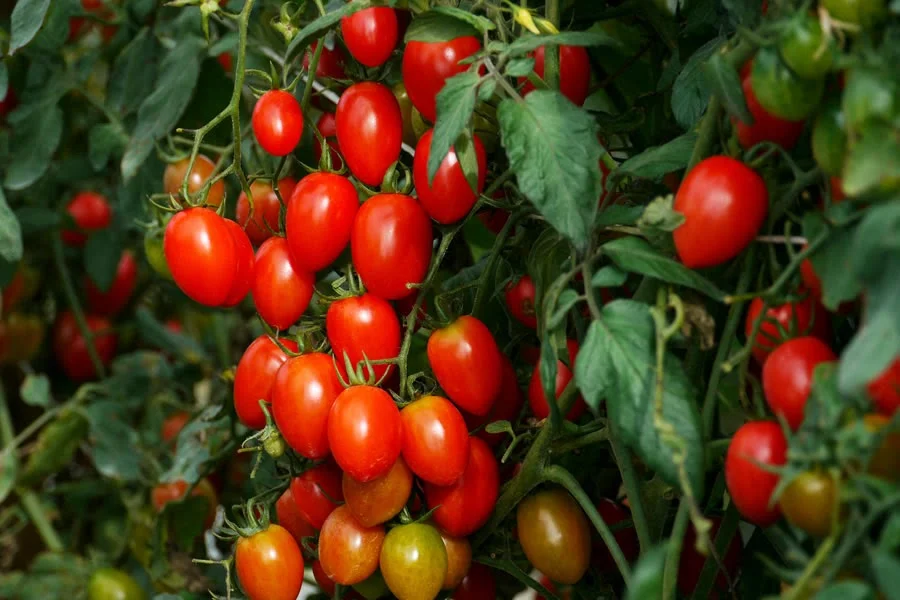
There's nothing quite like the burst of sweet flavor from a sun-ripened grape tomato, especially when you've grown it yourself! But you don't need a sprawling garden to enjoy this delicious treat. With a little know-how, you can easily cultivate vibrant, healthy grape tomato plants right on your patio, balcony, or even windowsill.
Selecting the Right Pot for Growing Grape Tomatoes in Pots
Choosing the right pot is the foundation for successful container gardening with grape tomatoes. Size, material, and drainage all play crucial roles in providing the optimal environment for your plants to thrive. Let's delve into the specifics:
Pot Size Matters: Giving Your Grape Tomatoes Room to Grow
Grape tomato plants, while compact, still require adequate space for their roots to develop fully. A pot that's too small will restrict root growth, leading to stunted plants and reduced fruit production. As a general rule, aim for a pot that is at least12 inches in diameter and 12 inches deep. Larger pots, such as those14-16 inches in diameter, are even better, providing more room for root expansion and increased water retention.
- Minimum Pot Size: 12 inches in diameter and 12 inches deep
- Ideal Pot Size: 14-16 inches in diameter and 14-16 inches deep
Consider these factors when choosing your pot size:
- Variety: Some grape tomato varieties are bushier than others. Check the plant's mature size information to determine the appropriate pot size.
- Growing Conditions: If you live in a hot, sunny climate, a larger pot will help retain moisture and prevent the soil from drying out too quickly.
- Personal Preference: While larger pots require more potting mix, they also offer more stability and reduce the frequency of watering.
Pot Material: Balancing Aesthetics and Functionality for Your Potted Grape Tomatoes
Pots come in a variety of materials, each with its own advantages and disadvantages:
- Plastic Pots: These are lightweight, inexpensive, and readily available. They retain moisture well, which can be beneficial in hot climates. However, they can also overheat in direct sunlight and may not be as aesthetically pleasing as other options.
- Terracotta Pots: Terracotta pots are porous, allowing for good air circulation and drainage. This can help prevent root rot, but it also means they dry out more quickly, requiring more frequent watering. They are also heavier than plastic pots and can be more expensive.
- Ceramic Pots: Ceramic pots offer a good balance of aesthetics and functionality. They retain moisture better than terracotta but still allow for some air circulation. They are typically more expensive than plastic pots and can be heavy.
- Fabric Pots: Fabric pots are a relatively new option that has gained popularity in recent years. They are lightweight, breathable, and allow for excellent drainage. They also promote air pruning of the roots, which encourages a healthier root system. However, they can dry out quickly and may require more frequent watering.
Ultimately, the best pot material for you will depend on your budget, aesthetic preferences, and growing conditions.
Drainage is Key: Preventing Waterlogged Roots When Growing Grape Tomatoes in Pots
Adequate drainage is essential for preventing root rot, a common problem with container gardening. Make sure your pot has drainage holes at the bottom to allow excess water to escape. If your pot doesn't have drainage holes, you can drill them yourself. You can also add a layer of gravel or pebbles at the bottom of the pot to improve drainage, although this isn't strictly necessary.
Pro Tip: Avoid placing a saucer directly underneath your pot, as this can trap water and create a breeding ground for mosquitoes. Instead, use pot feet or bricks to elevate the pot and allow for better air circulation.
The Right Soil for Growing Grape Tomatoes in Pots
Choosing the correct soil mix is critical for healthy grape tomato growth in containers. Garden soil is generally too heavy and doesn't drain well, potentially leading to root rot. A high-quality potting mix formulated for containers provides the ideal balance of drainage, aeration, and nutrient retention.
What Makes a Good Potting Mix for Grape Tomatoes?
A good potting mix should be:
- Lightweight and Porous: This allows for good air circulation around the roots, preventing them from becoming waterlogged.
- Well-Draining: Excess water should drain freely from the pot.
- Nutrient-Rich: Provide essential nutrients for healthy growth and fruit production.
- Slightly Acidic: Grape tomatoes prefer a soil p H of 6.0 to
6.8.
Components of a Quality Potting Mix
Most high-quality potting mixes contain a blend of the following ingredients:
- Peat Moss or Coco Coir: These materials provide good water retention and aeration. Coco coir is a sustainable alternative to peat moss.
- Perlite or Vermiculite: These volcanic minerals improve drainage and aeration.
- Compost: Compost adds organic matter and nutrients to the soil.
- Slow-Release Fertilizer: Provides a steady supply of nutrients over time.
Making Your Own Potting Mix
If you're feeling ambitious, you can create your own potting mix by combining equal parts peat moss or coco coir, perlite or vermiculite, and compost. You can also add a slow-release fertilizer according to the package directions. Be sure to mix the ingredients thoroughly before planting.
Recipe for a DIY Potting Mix:
- 1 part peat moss or coco coir
- 1 part perlite or vermiculite
- 1 part compost
- Slow-release fertilizer (according to package directions)
Soil p H: Ensuring Nutrient Availability for Your Potted Grape Tomatoes
The p H of your soil affects the availability of nutrients to your plants. Grape tomatoes prefer a slightly acidic soil p H of 6.0 to
6.8. You can test the p H of your soil using a soil testing kit. If the p H is too high, you can lower it by adding sulfur or acidifying fertilizer. If the p H is too low, you can raise it by adding lime.
Investing in aUpgraded Seed Starter Tray with Grow Lights and Heat Mat is a great way to get your grape tomatoes off to a strong start. This fantastic propagation station includes a 3-in-1 soil meter and sticky gnat traps. The 40-Cell Seed Growing Tray ensures optimal germination and plant propagation, perfect for nurturing your indoor plants. Get yours today from Amazon: https://amzn.to/3Sjp Saz.
Planting Your Grape Tomato Seedlings in Pots
Once you've selected the right pot and soil, it's time to plant your grape tomato seedlings. Here's a step-by-step guide:
Choosing the Right Seedlings for Your Container Garden
Select healthy, vigorous seedlings from a reputable nursery or garden center. Look for plants that are about 6-8 inches tall with sturdy stems and dark green leaves. Avoid plants that are leggy, yellowed, or have signs of pests or diseases.
Step-by-Step Planting Guide for Growing Grape Tomatoes in Pots
- Fill the Pot: Fill the pot with potting mix, leaving about an inch of space at the top.
- Dig a Hole: Dig a hole in the center of the pot that is large enough to accommodate the seedling's root ball.
- Remove the Seedling: Gently remove the seedling from its container, being careful not to damage the roots.
- Plant the Seedling: Place the seedling in the hole and backfill with potting mix, gently firming the soil around the base of the plant.
- Water Thoroughly: Water the plant thoroughly until water drains from the bottom of the pot.
- Stake or Cage: Insert a stake or cage into the pot to support the plant as it grows. Grape tomato plants can become quite heavy with fruit, so support is essential.
Spacing and Support: Setting Your Grape Tomatoes Up for Success
If you're planting multiple grape tomato plants in the same pot, be sure to space them appropriately. As a general rule, allow at least 12 inches of space between plants. Providing support, such as stakes or cages, is crucial for preventing the plants from sprawling and becoming damaged. Install the support system at the time of planting to avoid disturbing the roots later on.
Caring for Your Potted Grape Tomatoes
Once your grape tomato plants are planted, it's important to provide them with proper care to ensure healthy growth and abundant fruit production. This includes watering, fertilizing, pruning, and protecting them from pests and diseases.
Watering: Finding the Right Balance for Your Grape Tomatoes
Watering is one of the most important aspects of caring for your potted grape tomatoes. Overwatering can lead to root rot, while underwatering can stress the plants and reduce fruit production. The key is to find the right balance.
- Frequency: Water your grape tomato plants deeply whenever the top inch of soil feels dry to the touch.
- Method: Water at the base of the plant, avoiding wetting the leaves, which can encourage fungal diseases.
- Timing: Water in the morning to allow the foliage to dry before nightfall.
Signs of Overwatering:
- Yellowing leaves
- Wilting even when the soil is moist
- Soft, mushy roots
Signs of Underwatering:
- Wilting leaves
- Dry, cracked soil
- Stunted growth
Fertilizing: Providing Essential Nutrients for Abundant Fruit Production
Grape tomato plants are heavy feeders, so regular fertilization is essential for promoting healthy growth and abundant fruit production. Use a balanced fertilizer specifically formulated for tomatoes, such as a 5-10-5 or 10-10-10 fertilizer. Follow the package directions for application rates and frequency.
Types of Fertilizer:
- Slow-Release Fertilizer: Provides a steady supply of nutrients over time.
- Liquid Fertilizer: Provides a quick boost of nutrients. Apply every 2-3 weeks.
- Organic Fertilizer: Derived from natural sources, such as compost, manure, and bone meal.
Pruning: Encouraging Bushier Growth and Increased Fruit Yield
Pruning grape tomato plants can help improve air circulation, reduce the risk of disease, and encourage bushier growth and increased fruit yield. Remove suckers, which are the small shoots that grow in the crotch between the main stem and the branches. These suckers can drain energy from the plant and reduce fruit production.
Pruning Tips:
- Prune in the morning when the foliage is dry.
- Use sharp, clean pruning shears.
- Remove suckers when they are small, about 2-3 inches long.
Pest and Disease Control: Protecting Your Grape Tomatoes from Problems
Grape tomato plants are susceptible to a variety of pests and diseases, including aphids, whiteflies, spider mites, tomato hornworms, and fungal diseases such as early blight and late blight. Inspect your plants regularly for signs of pests or diseases. Take action promptly to prevent problems from spreading.
Pest Control:
- Handpick pests off the plants.
- Spray plants with insecticidal soap or neem oil.
- Introduce beneficial insects, such as ladybugs and lacewings.
Disease Control:
- Provide good air circulation around the plants.
- Avoid wetting the foliage when watering.
- Remove and destroy infected leaves.
- Spray plants with a fungicide if necessary.
Harvesting Your Homegrown Grape Tomatoes
Harvest your grape tomatoes when they are fully ripe and have reached their mature color. Gently twist the tomatoes from the vine. Enjoy them fresh from the garden or use them in your favorite recipes.
Knowing When Your Grape Tomatoes are Ready to Pick
Grape tomatoes are typically ready to harvest about 60-70 days after planting. Look for tomatoes that are firm, plump, and have a deep red or yellow color, depending on the variety. The tomatoes should easily detach from the vine when gently twisted.
Storing Your Freshly Harvested Grape Tomatoes
Store your freshly harvested grape tomatoes at room temperature for a few days or in the refrigerator for up to a week. Avoid storing them in direct sunlight or near ethylene-producing fruits, such as bananas and apples, as this can cause them to ripen too quickly.
Growing grape tomatoes in pots is a rewarding experience that allows you to enjoy fresh, delicious tomatoes even if you don't have a traditional garden. With a little planning and care, you can successfully cultivate these delightful fruits right on your patio, balcony, or windowsill.