Imagine vibrant bursts of red cascading from a hanging basket, a miniature tomato vineyard right outside your door. Growing cherry tomatoes in a hanging basket isn't just a charming aesthetic choice; it's a surprisingly practical way to enjoy fresh, homegrown goodness, even if you're short on space. It's easier than you might think, and the rewards are delicious! Growing Cherry Tomatoes in Hanging Baskets: A Complete Guide Growing cherry tomatoes in hanging baskets offers a delightful way to bring fresh produce to even the smallest spaces. Whether you have a sprawling garden or a tiny balcony, the vibrant foliage and sweet, juicy fruits of cherry tomatoes add beauty and flavor to your surroundings. This guide will walk you through every step, from choosing the right basket to harvesting your bountiful crop. Consider these tips your keys to unlocking a cascade of delicious cherry tomatoes right at your fingertips! Why Choose Hanging Baskets fo...
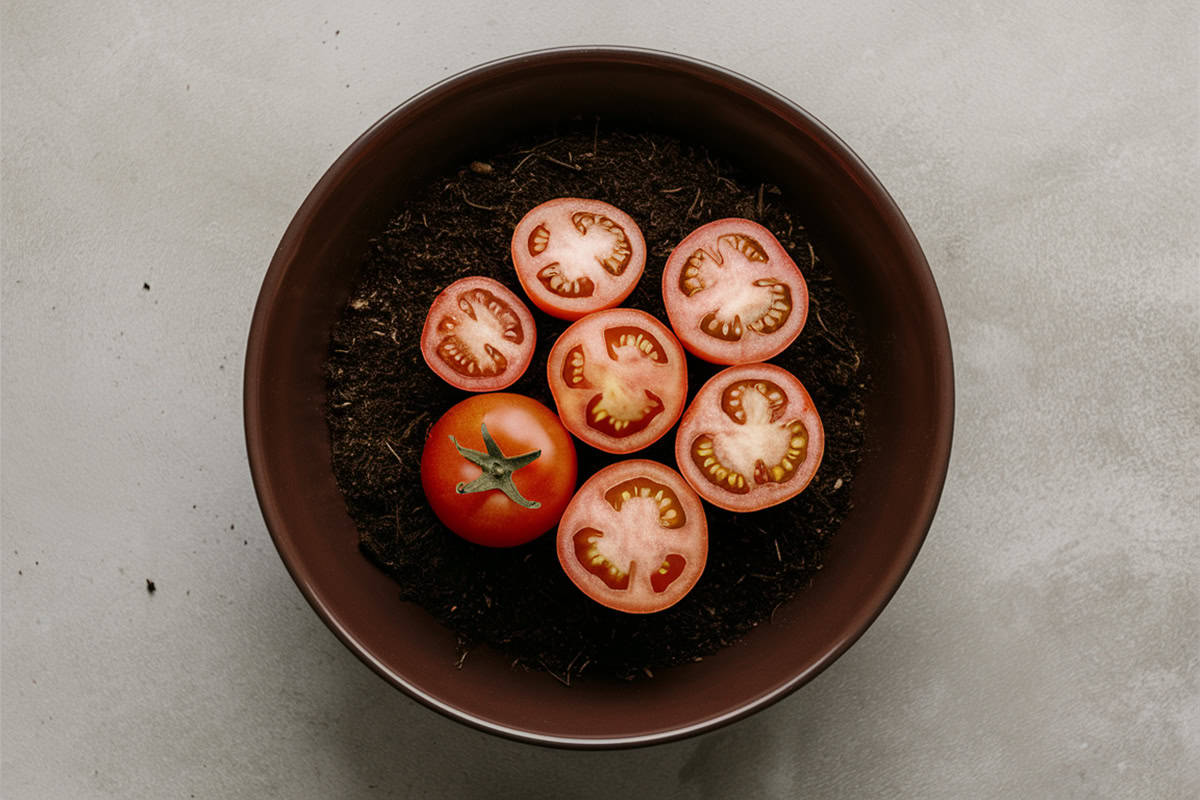
The idea of growing new plants from scraps is incredibly appealing, isn't it? Imagine turning a simple slice of tomato into a thriving vine laden with juicy fruits. It sounds like something out of a fairy tale, but is it actually possible? Let's dive into the world of tomato propagation and explore the surprising truth about growing tomatoes from a slice.
Can You Really Grow Tomatoes From A Slice? The Honest Answer
The short answer is: technically, yes, youcangrow tomatoes from a slice, but it'snot the most efficient or reliable method. While it might seem like a fun experiment, you're much more likely to have success using traditional methods like starting from seeds or cuttings. Let's break down why and explore the science behind it.
The Science Behind Tomato Seed Germination
Tomatoes, like many other fruits, contain seeds that are designed to germinate and grow into new plants. These seeds hold the genetic blueprint for a new tomato plant. When a tomato seed is placed in the right conditions (moisture, warmth, and light), it will sprout and begin to grow. So, a slice of tomatodoescontain seeds capable of germination. However, the flesh of the tomato itself presents several challenges.
The Challenges of Growing Tomatoes from a Slice
While the seeds in a tomato slice are viable, getting them to successfully germinate and thrive is difficult due to these factors:
- Fungal and Bacterial Infections: The moist, sugary flesh of a tomato slice is a breeding ground for bacteria and fungi. These pathogens can quickly overwhelm the young seedlings, preventing them from growing.
- Decomposition: The tomato flesh will decompose rapidly, potentially suffocating the seedlings or depriving them of oxygen. This rotting process can also release harmful substances that inhibit growth.
- Nutrient Imbalance: The tomato flesh doesn't provide the ideal nutrient balance for seedling development. Seedlings require specific ratios of nitrogen, phosphorus, and potassium, which may not be present in sufficient quantities within the tomato slice.
- Crowding: Many seeds are packed into a small area, leading to intense competition for resources like light and nutrients. This overcrowding can result in weak, spindly seedlings that are less likely to survive.
- Variety: You don't always know what variety of tomato you have. Especially with hybrid tomatoes, the offspring might not be true to type. This means you might get a tomato with different characteristics than the one you sliced.
A Step-by-Step Guide (If You're Feeling Adventurous!)
Despite the challenges, if you're determined to try growing tomatoes from a slice, here's a step-by-step guide to increase your chances of success:
- Choose a Ripe, Organic Tomato: Select a ripe, preferably organic tomato. Organic tomatoes are less likely to have been treated with chemicals that could inhibit germination.
- Prepare Your Potting Mix: Use a well-draining seed-starting mix. This will help prevent waterlogging and fungal growth.
- Slice the Tomato: Cut a thick slice (about 1/2 inch) from the center of the tomato.
- Place the Slice on the Soil: Lay the tomato slice flat on top of the prepared potting mix in a small pot or container.
- Lightly Cover with Soil: Sprinkle a very thin layer of potting mix over the tomato slice – just enough to barely cover it.
- Water Gently: Water the soil gently to moisten it, being careful not to dislodge the slice.
- Cover with Plastic Wrap (Optional): Cover the pot with plastic wrap to create a humid environment. This can help with germination, but remember to remove it regularly to prevent mold growth.
- Place in a Warm, Bright Location: Place the pot in a warm, bright location, but avoid direct sunlight, which can overheat the slice.
- Monitor Regularly: Check the pot daily for signs of germination and mold growth. Remove any mold immediately.
- Thin Seedlings: Once the seedlings emerge, thin them out to give the strongest ones room to grow. Gently separate the seedlings and transplant them into individual pots.
Alternative Methods for Tomato Propagation: Seeds and Cuttings
While growing tomatoes from a slice is a fun experiment, starting from seeds or cuttings is a much more reliable way to propagate tomato plants. Here's why:
Starting from Seeds:
Starting from seeds gives you greater control over the variety of tomato you're growing. You can choose specific cultivars that are known for their disease resistance, flavor, or growth habits. Seed starting also allows you to get a head start on the growing season, especially in colder climates. To improve your seed starting efforts, you might consider using the Upgraded Seed Starter Tray with Grow Lights and Heat Mat. This complete kit includes everything you need to nurture your seedlings, from consistent warmth provided by the heat mat to ample light provided by the grow lights. You can find this amazing product here: https://amzn.to/3Sjp Saz and start growing strong, healthy seedlings.
Here's a brief overview of starting tomatoes from seed:
- Choose High-Quality Seeds: Select seeds from a reputable supplier.
- Start Seeds Indoors: Sow seeds indoors 6-8 weeks before the last expected frost.
- Use a Seed-Starting Mix: Use a well-draining seed-starting mix.
- Provide Warmth and Light: Provide warmth (70-75°F) and plenty of light.
- Harden Off Seedlings: Gradually acclimate seedlings to outdoor conditions before transplanting.
Propagating from Cuttings:
Taking cuttings from existing tomato plants is a great way to clone your favorite varieties. This method is particularly useful for preserving heirloom varieties or propagating plants that are already showing desirable traits.
Here's how to propagate tomatoes from cuttings:
- Take a Cutting: Cut a 4-6 inch stem from a healthy tomato plant.
- Remove Lower Leaves: Remove the lower leaves from the cutting, leaving only a few at the top.
- Place in Water or Soil: Place the cutting in a glass of water or directly into a pot of moist potting mix.
- Provide Humidity: If planting in soil, cover the cutting with a plastic bag to create a humid environment.
- Wait for Roots to Develop: Roots should develop in 1-2 weeks.
- Transplant: Once roots have developed, transplant the cutting into a larger pot.
Conclusion: Should You Try Growing Tomatoes From A Slice?
While it's possible toattemptgrowing tomatoes from a slice, it's not a reliable or efficient method. The risks of fungal infections, decomposition, and nutrient imbalance are high. For a greater chance of success, opt for starting from seeds or propagating from cuttings. These methods offer more control over the growing environment and are more likely to produce healthy, productive tomato plants. So, go ahead, experiment with the tomato slice if you're curious, but don't put all your eggs (or tomato seeds) in one basket!