Imagine vibrant bursts of red cascading from a hanging basket, a miniature tomato vineyard right outside your door. Growing cherry tomatoes in a hanging basket isn't just a charming aesthetic choice; it's a surprisingly practical way to enjoy fresh, homegrown goodness, even if you're short on space. It's easier than you might think, and the rewards are delicious! Growing Cherry Tomatoes in Hanging Baskets: A Complete Guide Growing cherry tomatoes in hanging baskets offers a delightful way to bring fresh produce to even the smallest spaces. Whether you have a sprawling garden or a tiny balcony, the vibrant foliage and sweet, juicy fruits of cherry tomatoes add beauty and flavor to your surroundings. This guide will walk you through every step, from choosing the right basket to harvesting your bountiful crop. Consider these tips your keys to unlocking a cascade of delicious cherry tomatoes right at your fingertips! Why Choose Hanging Baskets fo...
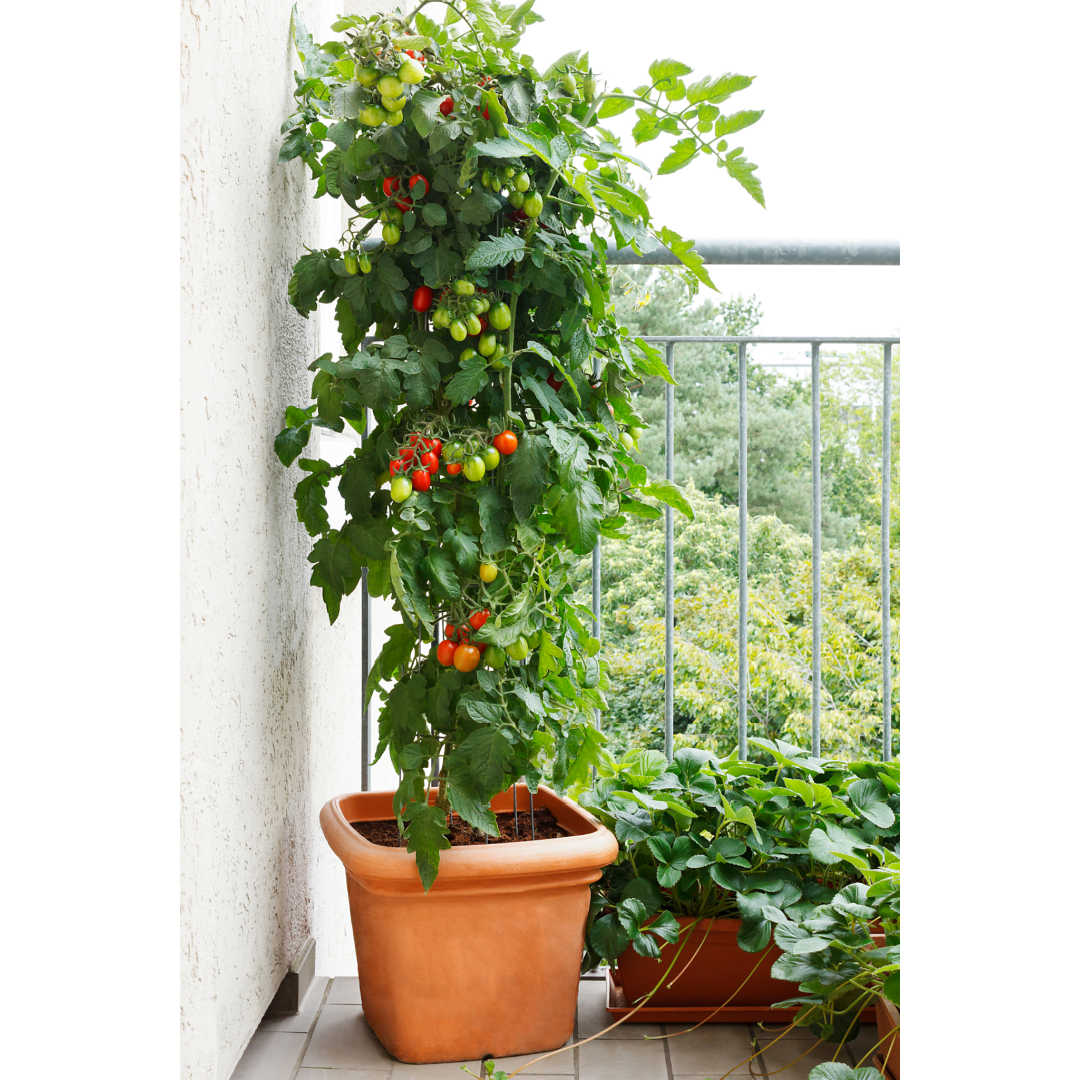
Dreaming of juicy, sun-ripened tomatoes bursting with flavor, right in your own backyard? You don't need acres of land to make that dream a reality. In fact, with just a few buckets and some know-how, you can be harvesting delicious tomatoes all season long. Let's dive into the best way to plant tomatoes in buckets and unlock the secrets to a thriving container garden!
Why Plant Tomatoes in Buckets?
Growing tomatoes in buckets offers several advantages over traditional in-ground gardening. It's a fantastic option for those with limited space, poor soil conditions, or even physical limitations that make bending and kneeling difficult. Here's a breakdown of why choosing the bucket method for planting tomatoes might be perfect for you:
- Space Saving: Ideal for patios, balconies, decks, and small yards. You can easily move the buckets around to maximize sunlight exposure.
- Soil Control: You have complete control over the soil composition, ensuring your tomatoes get the nutrients they need. This is especially beneficial if your native soil is clay-heavy or nutrient-poor.
- Pest and Disease Management: Easier to monitor and treat pests and diseases in a contained environment. You can quickly isolate an infected plant to prevent the problem from spreading.
- Extended Growing Season: Buckets can be moved indoors or to a sheltered location during unexpected frosts, extending your growing season.
- Accessibility: Planting in buckets can be more accessible for gardeners with mobility issues, as the buckets can be placed at a comfortable height.
Choosing the Right Bucket for Your Tomatoes
Not all buckets are created equal! Selecting the right container is crucial for the health and productivity of your tomato plants. Size, material, and drainage are all important factors to consider when determining the best way to plant tomatoes in buckets.
Size Matters
The size of the bucket directly impacts the root development of your tomato plant. A general rule of thumb is to use aminimum of 5-gallon buckets. However, larger varieties, like beefsteak tomatoes, will thrive in 10-gallon bucketsor even larger. Smaller buckets can restrict root growth, leading to stunted plants and reduced yields.
Material Considerations
Plastic buckets are the most common and readily available option. Choose food-grade plastic to avoid any harmful chemicals leaching into the soil. Dark-colored buckets can absorb more heat, which can be beneficial in cooler climates but detrimental in hotter regions. Consider lighter-colored buckets or painting dark buckets white to reflect sunlight.
Other materials like fabric pots (grow bags) are also excellent choices. They offer superior drainage and aeration, promoting healthy root growth. However, they may dry out faster than plastic buckets, requiring more frequent watering.
Drainage is Key
Proper drainage is non-negotiable! Tomatoes hate sitting in soggy soil, which can lead to root rot and other fungal diseases. Ensure your buckets have adequate drainage holes. Drill several holes in the bottom of the bucket if they are not already present. Consider adding a layer of gravel or small stones at the bottom of the bucket to further improve drainage.
The Perfect Soil Mix for Planting Tomatoes in Buckets
Unlike planting in the ground, when planting tomatoes in buckets, you have complete control over the soil composition. This allows you to create the perfect growing medium tailored to the specific needs of your tomato plants. Here's a recipe for a fantastic soil mix:
- Potting Mix: Forms the base of the mix, providing essential nutrients and moisture retention.
- Compost: Adds organic matter, improves drainage, and enriches the soil with beneficial microbes.
- Perlite or Vermiculite: Enhances drainage and aeration, preventing soil compaction.
- Slow-Release Fertilizer: Provides a steady supply of nutrients throughout the growing season.
A good ratio is 1 part potting mix, 1 part compost, and 1 part perlite or vermiculite. Adjust the ratio based on the specific needs of your tomato variety. Adding a small amount of bone meal can also provide a boost of phosphorus, which promotes strong root development.
Step-by-Step Guide: How to Plant Tomatoes in Buckets
Now that you have your buckets, soil, and tomato seedlings ready, it's time to get planting! Follow these steps for the best way to plant tomatoes in buckets and set your plants up for success:
- Prepare the Bucket: Ensure the bucket is clean and has adequate drainage holes.
- Add Soil: Fill the bucket about two-thirds full with your prepared soil mix.
- Planting Deep: This is a crucial step! Remove the lower leaves from the tomato seedling and bury the stem deep into the soil, leaving only the top few leaves exposed. Tomato stems can grow roots along their buried length, resulting in a stronger, more productive plant.
- Water Thoroughly: Water the newly planted tomato thoroughly until water drains out of the bottom of the bucket. This helps settle the soil and ensures the roots are well-hydrated.
- Add Support: Install a tomato cage or stake to provide support for the growing plant. This will prevent the stems from breaking under the weight of the fruit.
- Mulch: Add a layer of mulch, such as straw or wood chips, to the top of the soil to help retain moisture, suppress weeds, and regulate soil temperature.
Caring for Your Bucket Tomatoes
Once your tomatoes are planted, consistent care is essential for optimal growth and fruit production. Here's what you need to know about watering, fertilizing, and pruning your bucket tomatoes:
Watering
Water deeply and regularly, especially during hot, dry weather. Check the soil moisture daily and water when the top inch or two feels dry. Avoid overhead watering, which can promote fungal diseases. Water at the base of the plant, directly onto the soil. A good rule of thumb is to water until you see water draining from the bottom of the bucket.
Fertilizing
Tomatoes are heavy feeders and require regular fertilization. Use a balanced fertilizer formulated for tomatoes. Apply fertilizer according to the package instructions. You can also supplement with liquid fertilizers, such as fish emulsion or compost tea, every few weeks.
Pruning
Pruning suckers (the small shoots that grow between the main stem and the branches) can improve airflow and direct energy towards fruit production. However, opinions on pruning vary. Some gardeners prefer to prune heavily, while others prefer to leave the suckers to grow. Experiment and see what works best for your tomato variety and growing conditions.
Troubleshooting Common Issues
Even with the best care, you may encounter some common problems when growing tomatoes in buckets. Here's how to troubleshoot some of the most frequent issues:
- Blossom End Rot: Caused by calcium deficiency, usually due to inconsistent watering. Ensure consistent watering and consider adding calcium to the soil.
- Fungal Diseases: Such as early blight and septoria leaf spot, thrive in humid conditions. Improve airflow by pruning and avoid overhead watering. Apply a fungicide if necessary.
- Pests: Aphids, tomato hornworms, and whiteflies can attack tomato plants. Monitor your plants regularly and treat infestations promptly with insecticidal soap or other appropriate pesticides.
Choosing the Right Tomato Varieties for Buckets
Not all tomato varieties are well-suited for container gardening. Determinate varieties, which are bushier and more compact, are generally a better choice for buckets than indeterminate varieties, which are vining and require extensive staking or trellising. However, with proper support and pruning, you can successfully grow some smaller indeterminate varieties in buckets as well.
Here are some popular tomato varieties that thrive in buckets:
- Bush Early Girl: A compact determinate variety that produces early and abundant yields of medium-sized tomatoes.
- Patio: A dwarf determinate variety perfect for small spaces. Produces small, juicy tomatoes.
- Roma: A determinate variety known for its paste-type tomatoes, ideal for sauces and canning.
- Celebrity: A semi-determinate variety that produces large, flavorful tomatoes.
- Cherry Tomatoes (like Sun Gold or Sweet Million): Indeterminate varieties that can be grown in buckets with proper staking or trellising.
Looking to get a head start on your tomato planting journey? Consider an upgraded seed starter kit to help you cultivate strong seedlings indoors! The Upgraded Seed Starter Tray with Grow Lights and Heat Mat, 3-in-1 Soil Meter, & Sticky Gnat Traps, 40-Cell Seed Growing Tray, Germination & Plant Propagation Station for Indoor Plants can really make the difference. You can find the all-in-one plant propagation station here: https://amzn.to/3Sjp Saz.
Harvesting Your Bucket Tomatoes
The moment you've been waiting for! Harvest your tomatoes when they are fully colored and slightly soft to the touch. Gently twist the tomato from the vine, leaving a small piece of the stem attached. Enjoy your homegrown tomatoes fresh off the vine, or use them in your favorite recipes. The satisfaction of harvesting your own delicious tomatoes is truly rewarding!
Beyond the Basics: Advanced Techniques for Growing Tomatoes in Buckets
Once you've mastered the basics of planting tomatoes in buckets, you can experiment with advanced techniques to further enhance your yields and improve the health of your plants.
Vertical Gardening
Maximize your space by growing tomatoes vertically. Use trellises, cages, or even repurposed pallets to create a vertical support system for your plants. This not only saves space but also improves airflow and reduces the risk of fungal diseases.
Companion Planting
Companion planting involves growing specific plants together to benefit each other. Some beneficial companion plants for tomatoes include basil, marigolds, and garlic. Basil repels pests, marigolds attract pollinators, and garlic deters fungal diseases.
Succession Planting
Extend your harvest by succession planting. Plant new tomato seedlings every few weeks to ensure a continuous supply of tomatoes throughout the growing season.
Conclusion: Your Bucket Tomato Adventure Awaits!
Planting tomatoes in buckets is a rewarding and accessible way to enjoy homegrown tomatoes, regardless of your space or experience level. With the right bucket, soil, and care, you can transform your patio, balcony, or small yard into a thriving tomato garden. So, grab your buckets, seeds, and get ready to savor the taste of success!