Imagine vibrant bursts of red cascading from a hanging basket, a miniature tomato vineyard right outside your door. Growing cherry tomatoes in a hanging basket isn't just a charming aesthetic choice; it's a surprisingly practical way to enjoy fresh, homegrown goodness, even if you're short on space. It's easier than you might think, and the rewards are delicious! Growing Cherry Tomatoes in Hanging Baskets: A Complete Guide Growing cherry tomatoes in hanging baskets offers a delightful way to bring fresh produce to even the smallest spaces. Whether you have a sprawling garden or a tiny balcony, the vibrant foliage and sweet, juicy fruits of cherry tomatoes add beauty and flavor to your surroundings. This guide will walk you through every step, from choosing the right basket to harvesting your bountiful crop. Consider these tips your keys to unlocking a cascade of delicious cherry tomatoes right at your fingertips! Why Choose Hanging Baskets fo...
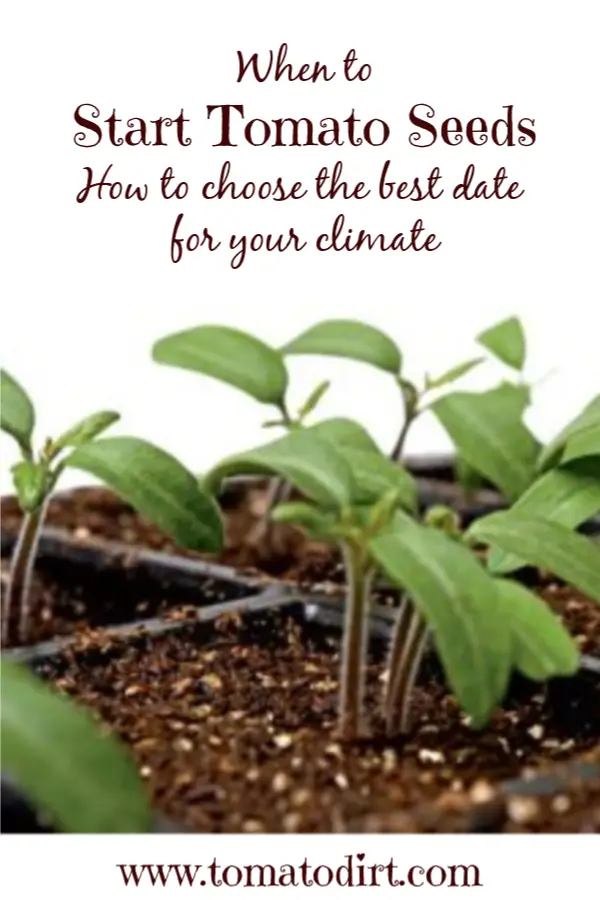
Ah, tomatoes. The quintessential garden staple. The star of summer salads, the backbone of countless sauces, and the delicious burst of flavor that makes homegrown so much better than store-bought. But before you can sink your teeth into a juicy, sun-ripened tomato, you need to start somewhere, and that somewhere is with seeds. So, the million-dollar question is: when to start growing tomato seeds? Let's dive in and unlock the secrets to timing your tomato seed starting perfectly!
Understanding the Timing: When to Begin Growing Tomato Seeds
The precise timing ofwhen to plant your tomato seeds indoors hinges on a few key factors, primarily your local climate and the specific variety of tomato you're planning to grow. Generally, you'll want to start your seeds indoors about6-8 weeks before the last expected frost in your area. This gives the seedlings enough time to develop into strong, healthy plants ready for transplanting into your garden once the weather warms up.
But how do you determine your last frost date? Several resources can help. Your local agricultural extension office is a great place to start. They have detailed climate data specific to your region. You can also find average last frost date maps and calculators online. Keep in mind that these are just averages; weather patterns can be unpredictable. It's always better to err on the side of caution and wait a bit longer than to risk exposing your young tomato plants to a late frost.
Consider the source of your tomato seeds as well! Some seed distributors or specialized stores may have data specific to the variety of seeds you are purchasing. It never hurts to do a little research and gain an advantage!
Factors Influencing Your Tomato Seed Starting Timeline
While the 6-8 week guideline is a good starting point, several factors can influence your ideal seed starting timeline. Let's break them down:
Tomato Variety
Different tomato varieties have different maturation times.Early-maturing varieties, like 'Early Girl,' may only need 6 weeks indoors, while late-maturing varieties, like 'Brandywine,' may require the full 8 weeks (or even slightly longer) to reach transplant size. Check the seed packet for the variety's "days to maturity" to get a better sense of how long it will take to produce fruit. Varieties with a longer maturation period will need to be started earlier indoors. For example:
- Early Girl: 50-60 days to maturity - Start seeds 6 weeks before the last frost.
- Roma: 70-80 days to maturity - Start seeds 7 weeks before the last frost.
- Brandywine: 80-100 days to maturity - Start seeds 8-9 weeks before the last frost.
Your Climate
If you live in a warmer climate with a longer growing season, you might be able to start your seeds later. Conversely, if you live in a colder climate with a shorter growing season, you'll need to start your seeds earlier to give them enough time to produce a good crop before the first frost of fall. It's crucial to understand the length of your growing season and adjust your seed starting schedule accordingly. If you're unsure, consult your local agricultural extension office for specific recommendations.
The following table shows a rough estimate ofwhen to start tomato seeds depending on climate zone.
| Climate Zone | Approximate Last Frost Date | Recommended Seed Starting Time |
|---|---|---|
| Zone 3-4 | Late May - Early June | Late March - Mid April |
| Zone 5-6 | Mid May | Late March - Early April |
| Zone 7-8 | Late April | Late February - Mid March |
| Zone 9-10 | Late February - Early March | Early January - Mid February |
Indoor Growing Conditions
The quality of your indoor growing conditions also plays a role. If you have a dedicated grow space with optimal temperature, humidity, and lighting, your seedlings will likely grow faster and stronger. In this case, you might be able to start your seeds a bit later. However, if your indoor conditions are less than ideal (e.g., a drafty windowsill with limited sunlight), you'll need to start your seeds earlier to compensate for the slower growth rate. Investing in a good grow light can make a significant difference in the health and vigor of your tomato seedlings.
A Step-by-Step Guide to Starting Tomato Seeds Indoors
Now that you understand the timing, let's walk through the process of starting tomato seeds indoors:
- Gather your supplies: You'll need tomato seeds, seed starting trays or small pots, seed starting mix, a spray bottle, a heat mat (optional but recommended), and a grow light (also optional but highly beneficial).
- Prepare your seed starting mix: Moisten the seed starting mix thoroughly and fill your trays or pots.
- Sow your seeds: Plant 2-3 seeds per cell or pot, about 1/4 inch deep.
- Water gently: Use a spray bottle to mist the soil surface. Avoid overwatering, which can lead to damping-off disease.
- Provide warmth: Place the trays or pots on a heat mat to maintain a soil temperature of 75-85°F (24-29°C). This will significantly improve germination rates.
- Provide light: Once the seedlings emerge, move them under a grow light or to a sunny windowsill. If using a windowsill, rotate the trays regularly to prevent the seedlings from becoming leggy.
- Water regularly: Keep the soil consistently moist but not soggy.
- Thin seedlings: Once the seedlings have their first true leaves (the second set of leaves after the initial seed leaves), thin them to one seedling per cell or pot. Choose the strongest, healthiest seedling to keep.
- Fertilize: Start fertilizing with a diluted liquid fertilizer (specifically formulated for seedlings) once the seedlings have their second set of true leaves.
- Harden off: About a week before you plan to transplant the seedlings outdoors, begin hardening them off. This involves gradually exposing them to outdoor conditions (sun, wind, and temperature) for increasing periods each day. This will help them acclimate to the garden environment and reduce transplant shock.
Troubleshooting Common Seed Starting Problems
Even with the best planning, you might encounter some challenges when starting tomato seeds indoors. Here are a few common problems and how to address them:
- Poor germination: This can be caused by old seeds, improper soil temperature, or overwatering. Make sure your seeds are fresh, use a heat mat to maintain the correct soil temperature, and avoid overwatering.
- Damping-off disease: This fungal disease can cause seedlings to collapse and die. Prevent it by using a sterile seed starting mix, avoiding overwatering, and providing good air circulation. If damping-off occurs, remove the affected seedlings immediately and treat the remaining seedlings with a fungicide.
- Leggy seedlings: This happens when seedlings don't get enough light. Move them closer to a grow light or to a sunnier location. You can also gently brush the seedlings with your hand several times a day to encourage them to develop stronger stems.
- Slow growth: This can be caused by insufficient nutrients, low temperatures, or pests. Fertilize the seedlings regularly, maintain a consistent temperature, and inspect them for pests.
Case Study: The Impact of Timing on Tomato Yield
A study conducted by a local university investigated the effects of different seed starting dates on the overall yield of 'Roma' tomatoes. Three groups of gardeners started their seeds 6 weeks, 8 weeks, and 10 weeks before the average last frost date in their region. The results showed that the gardeners who started their seeds 8 weeks before the last frost date achieved the highest yields. The gardeners who started their seeds 6 weeks before had smaller plants at transplant and a shorter growing season, resulting in lower yields. The gardeners who started their seeds 10 weeks before had leggy, root-bound plants at transplant, which also negatively impacted their yields. This case study highlights the importance of finding the sweet spot for your seed starting timeline to maximize your tomato harvest.
Starting tomato seeds can seem daunting, but with a little planning and attention to detail, you can successfully grow your own delicious tomatoes from seed. Remember to consider your climate, tomato variety, and indoor growing conditions when determining*the best time to start your tomato seeds. Happy gardening!