Imagine vibrant bursts of red cascading from a hanging basket, a miniature tomato vineyard right outside your door. Growing cherry tomatoes in a hanging basket isn't just a charming aesthetic choice; it's a surprisingly practical way to enjoy fresh, homegrown goodness, even if you're short on space. It's easier than you might think, and the rewards are delicious! Growing Cherry Tomatoes in Hanging Baskets: A Complete Guide Growing cherry tomatoes in hanging baskets offers a delightful way to bring fresh produce to even the smallest spaces. Whether you have a sprawling garden or a tiny balcony, the vibrant foliage and sweet, juicy fruits of cherry tomatoes add beauty and flavor to your surroundings. This guide will walk you through every step, from choosing the right basket to harvesting your bountiful crop. Consider these tips your keys to unlocking a cascade of delicious cherry tomatoes right at your fingertips! Why Choose Hanging Baskets fo...
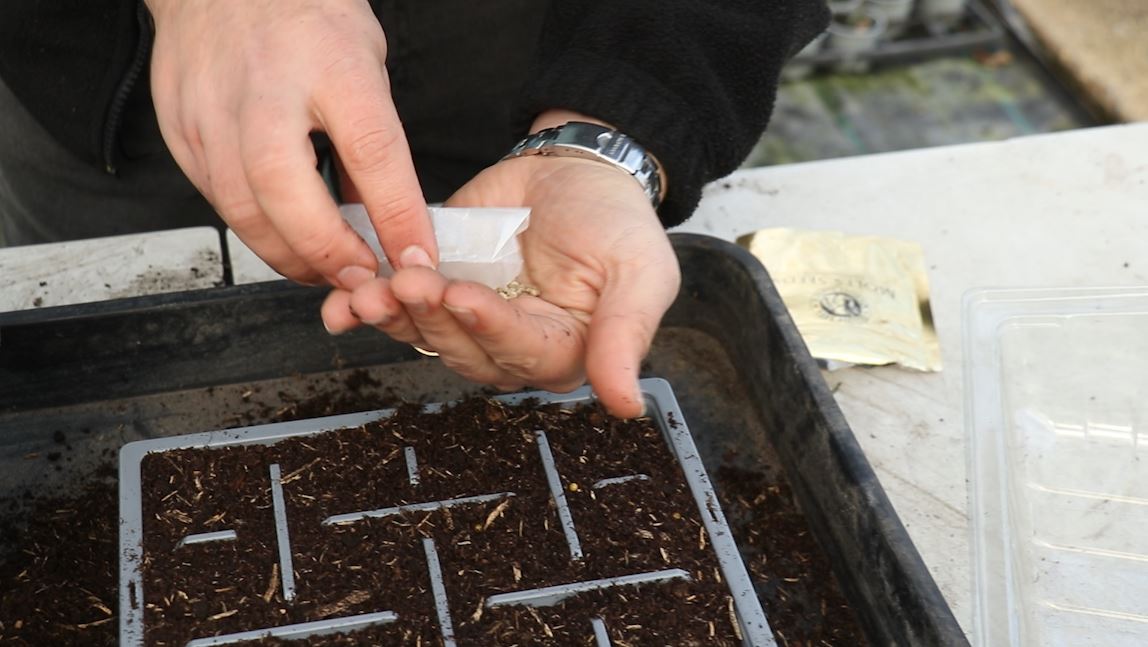
There's nothing quite like the taste of a sun-ripened, homegrown tomato. That juicy burst of flavor, the slight tang, the satisfaction of knowing you nurtured it from a tiny seed - it's an experience every gardener should have. But getting to that point hinges on one crucial decision: when to actually start sowing those tomato seeds. Get it wrong, and you could end up with leggy seedlings, a late harvest, or even no tomatoes at all! So, let's dive into the nitty-gritty of timing and ensure you're on track for a bumper crop.
Understanding the Importance of Timing When Sowing Tomato Seeds
Timing is everything when it comes to starting your tomato seeds. You can't just pop them in the soil whenever you feel like it and expect success. The whole process is a delicate dance between the needs of the plant and the climate it’s grown in. Starting too early can lead to plants that are too big for their containers before the last frost, and starting too late can drastically shorten your growing season and reduce your yield.
Tomato plants are warm-weather lovers. They need consistent temperatures of at least 60°F (16°C) to thrive. Frost is their nemesis, capable of killing them outright. Therefore, the key to successful tomato growing lies in starting your seeds indoors, giving them a head start on the season, and then transplanting them outdoors after all danger of frost has passed.
The perfect timing ensures that the seedlings are strong, healthy, and ready to take off as soon as they're planted in the ground. It allows them to establish strong root systems and produce plenty of delicious fruit before the first frost of fall. Knowing the first and last frost dates for your area is critical for determining when to sow tomato seeds for the best possible outcome. So, let's learn how to figure out the best time to start sowing.
Determining Your Ideal Time to Sow Tomato Seeds
The biggest factor in determining when you should sow your tomato seeds is your local climate and, most importantly, your last expected frost date. You can usually find this information from your local agricultural extension office, weather websites, or even experienced gardeners in your area. Once you have that date, you can work backwards to figure out the optimal time for sowing.
Calculate Backwards from the Last Frost Date
A general rule of thumb is tosow your tomato seeds 6-8 weeks before the last expected frost date in your region. This timeframe gives the seedlings enough time to germinate, grow, and develop into healthy, transplant-ready plants. For example, if your last frost date is typically around May 15th, you should aim to start your seeds sometime between late March and early April.
Here's a simple breakdown:
- Find your average last frost date: This is the key piece of information.
- Subtract 6-8 weeks: This will give you your target sowing window.
- Consider your growing conditions: Are you using grow lights? A greenhouse? This can affect the timing.
It's always better to err on the side of starting a little later rather than too early. Overgrown seedlings can become leggy and stressed, which can negatively impact their fruit production. If you do start early, be prepared to pot them up into larger containers as they grow to prevent them from becoming root-bound.
Factors Affecting the Best Time to Sow Your Tomato Seeds
While the last frost date is the primary driver of when to sow tomato seeds, there are other factors to keep in mind:
- Tomato Variety: Different tomato varieties have different maturation times. Early-maturing varieties can be started a little later than late-maturing varieties. Check the seed packet for specific recommendations.
- Indoor Growing Conditions: If you have a dedicated greenhouse or indoor growing space with consistent temperatures and strong grow lights, you might be able to start your seeds a bit earlier than someone relying on a sunny windowsill.
- Transplanting Method: If you plan to use a cold frame to harden off your seedlings before transplanting them into the garden, you can potentially start your seeds a bit earlier.
Case Study: Sowing Tomato Seeds in Different Climate Zones
Let's look at a couple of example scenarios to illustrate how climate impacts sowing time:
Scenario 1: Mild Climate (Zone 9b - Southern California)
In a mild climate with a very long growing season, the last frost date might be as early as late February. In this case, sowing tomato seeds could begin as early as late December or early January. Gardeners in these climates often have the luxury of multiple tomato harvests throughout the year.
Scenario 2: Short Growing Season (Zone 3 - Northern Minnesota)
In a region with a short growing season and a late last frost date (late May or early June), the window for sowing tomato seeds is much smaller. Gardeners in this zone would likely start their seeds indoors in late March or early April to maximize their growing season.
Tips for Successful Tomato Seed Starting
Once you've determined the right time to sow, it's crucial to provide the ideal conditions for your tomato seeds to germinate and thrive.
- Use a High-Quality Seed Starting Mix: Avoid using garden soil, as it can be too heavy and may contain diseases. Opt for a lightweight, sterile seed starting mix that provides good drainage.
- Maintain Warm Temperatures: Tomato seeds germinate best at temperatures between 75-85°F (24-29°C). Use a heat mat to provide bottom heat and speed up germination.
- Provide Adequate Light: Once the seedlings emerge, they need plenty of light to prevent them from becoming leggy. Place them under grow lights or in a very sunny windowsill. Rotate the seedlings regularly to ensure even growth.
- Water Properly: Keep the soil consistently moist but not waterlogged. Water from the bottom to prevent damping off, a fungal disease that can kill young seedlings.
- Fertilize Gently: Once the seedlings have their first set of true leaves, begin feeding them with a diluted liquid fertilizer specifically formulated for seedlings.
By following these tips, you'll give your tomato seedlings the best possible start in life, setting them up for a bountiful harvest later in the season.
Troubleshooting Common Tomato Seed Starting Problems
Even with the best planning, sometimes things don't go as expected. Here are some common problems and how to address them:
- Poor Germination: This could be due to old seeds, cold soil temperatures, or overwatering. Ensure your seeds are fresh, provide bottom heat, and avoid overwatering.
- Leggy Seedlings: Leggy seedlings are tall and spindly, often due to insufficient light. Move them closer to the light source or use stronger grow lights.
- Damping Off: This fungal disease causes seedlings to collapse and die. Prevent it by using sterile seed starting mix, avoiding overwatering, and providing good air circulation.
- Slow Growth: This could be due to cold temperatures, nutrient deficiencies, or lack of light. Ensure adequate warmth, fertilize regularly, and provide plenty of light.
In Conclusion: Your Tomato Growing Journey Starts Now!
Knowing when to sow tomato seeds is a cornerstone of successful tomato growing. By understanding your local climate, considering your growing conditions, and following these helpful tips, you'll be well on your way to enjoying a harvest of delicious, homegrown tomatoes. So, grab your seeds, prepare your seed starting mix, and get ready to embark on a rewarding gardening adventure! Happy growing!