Imagine vibrant bursts of red cascading from a hanging basket, a miniature tomato vineyard right outside your door. Growing cherry tomatoes in a hanging basket isn't just a charming aesthetic choice; it's a surprisingly practical way to enjoy fresh, homegrown goodness, even if you're short on space. It's easier than you might think, and the rewards are delicious! Growing Cherry Tomatoes in Hanging Baskets: A Complete Guide Growing cherry tomatoes in hanging baskets offers a delightful way to bring fresh produce to even the smallest spaces. Whether you have a sprawling garden or a tiny balcony, the vibrant foliage and sweet, juicy fruits of cherry tomatoes add beauty and flavor to your surroundings. This guide will walk you through every step, from choosing the right basket to harvesting your bountiful crop. Consider these tips your keys to unlocking a cascade of delicious cherry tomatoes right at your fingertips! Why Choose Hanging Baskets fo...
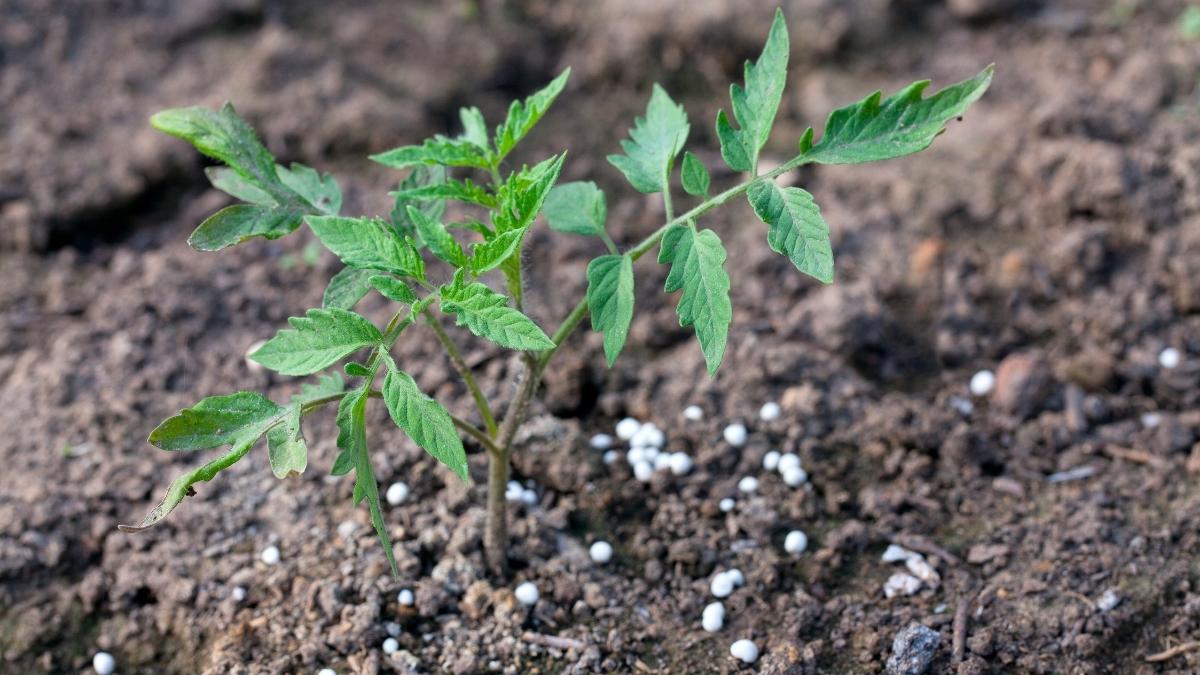
Have you ever dreamt of sinking your teeth into a juicy, sun-ripened tomato, bursting with flavor, grown right in your own backyard? It all starts with the seed, and giving those tiny powerhouses the right boost from the very beginning can make all the difference. But what kind of fertilizer is best for your precious tomato seeds? Let's delve into the world of tomato seed fertilizer and unlock the secrets to a bountiful harvest.
Understanding Tomato Seed Fertilizer: The Foundation for Success
Choosing the right fertilizer for your tomato seeds isn't just about scattering something vaguely "plant-like" onto the soil. It's about understanding the specific nutritional needs of a tomato seed as it germinates and develops its first true leaves. A healthy start translates directly into a stronger, more productive plant later on. You wouldn't feed a baby steak, would you? Similarly, a mature plant fertilizer can be far too strong for tender seeds. Think of it as providing the perfect recipe for growth right from the get-go.
Before we dive deeper, let's define what we mean by "tomato seed fertilizer." We're not necessarily talking about a fertilizer applieddirectlyto the seed. Instead, we're focusing on preparing theseed starting mix with the proper nutrients, or providing a gentle feeding to the seedlingsafterthey've sprouted. The goal is to create an environment that encourages healthy root development and robust early growth.
Key Nutrients for Tomato Seeds and Seedlings
Like all plants, tomato seeds and seedlings require a balanced diet of essential nutrients. The three macronutrients –nitrogen (N), phosphorus (P), and potassium (K)– are particularly crucial. They are usually displayed on fertilizer packaging with an N-P-K ratio.
Nitrogen (N) for Early Growth
Nitrogen is vital for foliage growth. It fuels the development of leaves and stems, giving your young tomato plants a lush, green appearance. However, too much nitrogen can lead to leggy, weak seedlings with underdeveloped roots. Therefore, alownitrogen content is preferred for tomato seed fertilizer, especially at the very early stages.
Phosphorus (P) for Root Development
Phosphorus is the champion of root development. A strong root system is essential for nutrient uptake and overall plant stability. Supplying tomato seeds and seedlings with adequate phosphorus promotes vigorous root growth, leading to healthier and more resilient plants in the long run. Look for a fertilizer with a higher phosphorus number relative to nitrogen and potassium. This is particularly important as the plant begins to put out its first true leaves. Phosphorus deficiencies can present as stunted growth and purplish leaves.
Potassium (K) for Overall Health and Vigor
Potassium plays a vital role in overall plant health, disease resistance, and stress tolerance. It helps regulate water uptake, strengthens cell walls, and aids in the formation of sugars and starches, which are essential for energy. While potassium is important, it's generally not as critical as phosphorus in the very early stages of tomato seedling development. A balanced amount, as part of an overall fertilizer blend, is ideal.
Choosing the Right Tomato Seed Fertilizer: Options and Considerations
Now that we understand the key nutrients, let's explore the different types of fertilizers available and how to choose the best option for your tomato seeds.
Starting with Seed Starting Mix
Often, the best “tomato seed fertilizer” is actually a high-qualityseed starting mix. These mixes are specifically formulated to provide the right balance of nutrients and drainage for germinating seeds. They are typically sterile, which helps prevent fungal diseases that can harm young seedlings. Seed starting mixes often contain ingredients like:
- Peat moss or coco coir: For moisture retention and aeration.
- Vermiculite: For aeration and nutrient retention.
- Perlite: For drainage and aeration.
- A small amount of slow-release fertilizer: To provide a gentle nutrient boost.
Using a pre-made seed starting mix often eliminates the need for additional fertilizer in the very early stages. Check the label of the mix you purchase to see if it contains any fertilizer. If it does, you may not need to add any more until the seedlings have developed their first true leaves.
Liquid Fertilizers for Tomato Seedlings
Once your tomato seedlings have emerged and developed their first set of true leaves (the leaves that look like miniature versions of adult tomato leaves, not the initial seed leaves, called cotyledons), you can begin to introduce a diluted liquid fertilizer. Liquid fertilizers are easily absorbed by the roots and provide a quick boost of nutrients.
When choosing a liquid fertilizer, look for one that is specifically formulated for seedlings or transplants. These fertilizers typically have a lower concentration of nutrients than fertilizers designed for mature plants. A balanced N-P-K ratio, or one slightly higher in phosphorus, is a good starting point.
Here are some popular liquid fertilizer options for tomato seedlings:
- Fish emulsion: A natural, organic fertilizer that provides a balanced blend of nutrients.
- Seaweed extract: Rich in micronutrients and growth hormones that promote healthy root development.
- Compost tea: A liquid extract made from compost, providing a gentle and beneficial boost of nutrients and beneficial microbes.
Important: Always dilute liquid fertilizers according to the manufacturer's instructions. Over-fertilizing can damage or even kill your delicate seedlings.
Slow-Release Granular Fertilizers for Tomato Seeds
Slow-release granular fertilizers can be incorporated into your seed starting mix before planting your tomato seeds. These fertilizers release nutrients gradually over time, providing a steady supply of nourishment to your seedlings. However, it's crucial to choose a granular fertilizer that is specifically formulated for seedlings or transplants, and to use it sparingly. Too much fertilizer can be harmful.
Look for a slow-release fertilizer with a low N-P-K ratio, and follow the manufacturer's instructions carefully. Mix the fertilizer thoroughly into the seed starting mix before planting your tomato seeds.
Application Tips for Tomato Seed Fertilizer
Applying tomato seed fertilizer correctly is just as important as choosing the right product. Here are some tips to ensure success:
- Start small: Less is more when it comes to fertilizing tomato seedlings. Begin with a very diluted solution and gradually increase the concentration as your seedlings grow.
- Water thoroughly: Water your seedlings thoroughly after applying fertilizer to help distribute the nutrients evenly and prevent salt buildup in the soil.
- Fertilize regularly: Fertilize your seedlings every 1-2 weeks, depending on their growth rate and the type of fertilizer you're using.
- Monitor your seedlings: Keep a close eye on your seedlings for signs of nutrient deficiencies or excesses. Yellowing leaves, stunted growth, or burnt leaf tips can indicate a problem.
- Adjust as needed: Adjust your fertilization schedule and concentration based on the needs of your seedlings. If they are growing slowly, you may need to increase the fertilizer concentration slightly. If they are showing signs of over-fertilization, reduce the concentration or frequency.
Organic vs. Synthetic Tomato Seed Fertilizers
You'll also need to consider whether you prefer organic or synthetic fertilizers for your tomato seeds. Both types can be effective, but they have different pros and cons.
Organic Tomato Seed Fertilizers
Organic fertilizers are derived from natural sources, such as plants, animals, and minerals. They are generally considered to be more environmentally friendly than synthetic fertilizers and can improve soil health over time. Some popular organic options for tomato seedlings include:
- Fish emulsion
- Seaweed extract
- Compost tea
- Worm castings
Organic fertilizers release nutrients more slowly than synthetic fertilizers, which can be beneficial for seedlings, as it reduces the risk of over-fertilization. However, it also means that the nutrients may not be immediately available to the plants, especially if the soil is cold or lacking in beneficial microbes. Here's an example:
Case Study: A gardener using only fish emulsion on her tomato seedlings in a cool, shaded greenhouse noticed slower initial growth compared to her neighbor who used a synthetic seedling fertilizer. However, by the time the plants were transplanted outdoors, the organically fed seedlings had caught up and surpassed their conventionally fed counterparts in vigor and disease resistance.
Synthetic Tomato Seed Fertilizers
Synthetic fertilizers are manufactured chemically and provide nutrients in a readily available form. They are typically more concentrated than organic fertilizers, which means you need to use them more carefully to avoid over-fertilization. Synthetic fertilizers can be a good option for seedlings that need a quick boost of nutrients, or if you are growing in a sterile seed starting mix that lacks beneficial microbes. Examples include:
- Water-soluble crystalline fertilizers formulated for seedlings(often labeled as "starter" fertilizers)
- Slow-release coated granules specifically designed for transplants
It's crucial to choose a synthetic fertilizer that is specifically formulated for seedlings or transplants, and to follow the manufacturer's instructions carefully. Over-fertilizing with synthetic fertilizers can easily burn the roots of your delicate seedlings. Always err on the side of caution.
Troubleshooting Common Problems with Tomato Seed Fertilizer
Even with the best planning and preparation, you may encounter problems when fertilizing your tomato seedlings. Here are some common issues and how to address them:
- Yellowing leaves: This can indicate a nitrogen deficiency. Try applying a diluted solution of fish emulsion or another nitrogen-rich fertilizer.
- Stunted growth: This can be caused by a lack of phosphorus or other essential nutrients. Apply a diluted solution of a balanced fertilizer or one that is higher in phosphorus.
- Burnt leaf tips: This is a sign of over-fertilization. Flush the soil with water to remove excess salts and reduce the frequency or concentration of your fertilizer applications.
- Leggy seedlings: This is often caused by insufficient light or excessive nitrogen. Provide your seedlings with more light and reduce the amount of nitrogen fertilizer you are using.
Conclusion: The Recipe for Tomato Seed Success
Choosing the right tomato seed fertilizer is a critical step in growing healthy, productive tomato plants. By understanding the nutritional needs of your seedlings and selecting the appropriate fertilizer, you can give them the best possible start in life. Whether you opt for a pre-made seed starting mix, a diluted liquid fertilizer, or a slow-release granular option, remember to start small, monitor your seedlings closely, and adjust as needed. With a little care and attention, you'll be well on your way to enjoying a bountiful harvest of delicious, homegrown tomatoes. Don't be afraid to experiment, take notes, and learn what works best for your specific growing conditions. Happy gardening!