Imagine vibrant bursts of red cascading from a hanging basket, a miniature tomato vineyard right outside your door. Growing cherry tomatoes in a hanging basket isn't just a charming aesthetic choice; it's a surprisingly practical way to enjoy fresh, homegrown goodness, even if you're short on space. It's easier than you might think, and the rewards are delicious! Growing Cherry Tomatoes in Hanging Baskets: A Complete Guide Growing cherry tomatoes in hanging baskets offers a delightful way to bring fresh produce to even the smallest spaces. Whether you have a sprawling garden or a tiny balcony, the vibrant foliage and sweet, juicy fruits of cherry tomatoes add beauty and flavor to your surroundings. This guide will walk you through every step, from choosing the right basket to harvesting your bountiful crop. Consider these tips your keys to unlocking a cascade of delicious cherry tomatoes right at your fingertips! Why Choose Hanging Baskets fo...
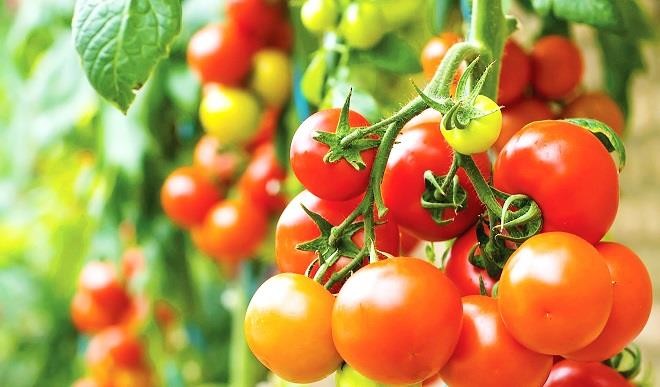
Imagine biting into a sun-warmed tomato, bursting with flavor that's a world away from the supermarket varieties. That incredible taste can be yours, and it's easier than you think! Growing tomatoes at home is a rewarding experience, connecting you with nature and providing you with fresh, delicious produce right at your fingertips. Let's explore the exciting world of tomato cultivation at home!
Getting Started with Tomato Cultivation At Home
Tomato cultivation at home begins with careful planning and understanding the basics. First, you need to choose the right tomato variety for your climate and space. Different types of tomatoes have different growth habits, disease resistance, and flavor profiles. Consider your available sunlight, soil conditions, and desired yield when making your selection. It's also important to think about how you plan to use your tomatoes – are you looking for slicing tomatoes for sandwiches, sauce tomatoes for cooking, or cherry tomatoes for salads? Once you've chosen your variety, it's time to prepare your soil.
Choosing the Right Tomato Varieties for Your Home Garden
Selecting the perfect tomato variety is a crucial first step in successful tomato cultivation at home. There are hundreds of varieties to choose from, but here are some popular choices based on different criteria:
- For Beginners: 'Early Girl' (early ripening, reliable), 'Better Bush' (compact, good for containers)
- For Flavor: 'Brandywine' (heirloom, rich flavor), 'Cherokee Purple' (heirloom, smoky flavor)
- For Sauce: 'Roma' (paste tomato, meaty), 'San Marzano' (paste tomato, excellent for sauce)
- For Small Spaces: 'Tiny Tim' (dwarf, ideal for pots), 'Patio' (compact, productive)
- For Disease Resistance: Look for varieties labeled with disease resistance codes like V (Verticillium wilt), F (Fusarium wilt), N (Nematodes), T (Tobacco Mosaic Virus), and A (Alternaria).
Consider these factors when choosing your tomato varieties:
Climate: Some varieties are better suited to hot climates, while others thrive in cooler conditions. Space: Determinate varieties are bush-like and grow to a certain size, making them ideal for containers and smaller gardens. Indeterminate varieties continue to grow and produce fruit throughout the season, requiring staking or caging. Disease Resistance: Choose varieties that are resistant to common tomato diseases in your area. Flavor: Consider your personal preference for sweetness, acidity, and texture. Maturity Time:If you live in a short-season climate, choose early-maturing varieties to ensure a harvest before the first frost.Preparing the Soil for Optimal Tomato Growth
Tomatoes are heavy feeders, meaning they require a nutrient-rich soil to thrive. Before planting, amend your soil with plenty of organic matter, such as compost, well-rotted manure, or peat moss. This will improve drainage, aeration, and water retention, all of which are essential for healthy tomato growth. The ideal soil p H for tomatoes is between 6.0 and
6.8. You can test your soil p H using a soil testing kit and adjust it accordingly by adding lime (to raise p H) or sulfur (to lower p H). Before transplanting your tomato seedlings, consider adding a starter fertilizer that is high in phosphorus to promote strong root development. Bone meal is a good organic source of phosphorus. Proper soil preparation is key for successful tomato cultivation at home!
Tomato Planting and Care at Home
Once you've prepared your soil and chosen your tomato varieties, it's time to plant! Proper planting techniques and ongoing care are essential for a bountiful harvest. Whether you're planting seedlings or starting from seed, attention to detail is the secret to successful tomato cultivation at home.
Planting Tomato Seedlings: A Step-by-Step Guide
When planting tomato seedlings, follow these steps:
- Harden off your seedlings: Gradually acclimate your seedlings to outdoor conditions by exposing them to increasing amounts of sunlight and wind over a period of 7-10 days.
- Dig a hole: Dig a hole that is deep enough to bury the bottom third of the tomato seedling's stem. This will encourage the development of roots along the buried stem, resulting in a stronger and more productive plant.
- Plant deeply: Place the seedling in the hole and backfill with soil, gently firming it around the plant.
- Water thoroughly: Water the newly planted seedlings thoroughly to help them establish roots.
- Add support: Install stakes, cages, or trellises to support the tomato plants as they grow.
- Mulch: Apply a layer of mulch around the base of the plants to help retain moisture, suppress weeds, and regulate soil temperature.
Fact: Burying the stem of the tomato seedling encourages the development of adventitious roots, leading to a stronger and more productive plant.
Watering, Fertilizing, and Pruning for Healthy Tomato Plants
Proper watering, fertilizing, and pruning are essential for healthy tomato plants and a bountiful harvest. Water deeply and regularly, especially during hot, dry weather. Avoid overhead watering, as this can promote fungal diseases. Instead, water at the base of the plants, using a soaker hose or drip irrigation system. Fertilize your tomato plants regularly with a balanced fertilizer that is specifically formulated for tomatoes. Follow the instructions on the fertilizer label for application rates and frequency. Prune your tomato plants to improve air circulation, reduce disease, and encourage fruit production. Remove suckers (the shoots that grow between the main stem and the branches) regularly. Determinate varieties generally require less pruning than indeterminate varieties. Regular care is a must for optimal tomato cultivation at home.
Common Tomato Problems and Solutions At Home
Even with the best care, tomato plants can be susceptible to various problems, including pests, diseases, and physiological disorders. Identifying these problems early and implementing appropriate solutions can help you protect your tomato crop. Learning about common challenges is essential for successful tomato cultivation at home.
Dealing with Common Tomato Pests
Several pests can attack tomato plants, including:
- Aphids: These tiny insects suck sap from the leaves and stems, causing them to become distorted and yellow. Control aphids with insecticidal soap or by introducing beneficial insects like ladybugs.
- Tomato Hornworms: These large caterpillars can quickly defoliate tomato plants. Handpick them off the plants or use Bacillus thuringiensis (Bt), a biological insecticide.
- Whiteflies: These small, white insects suck sap from the leaves and excrete honeydew, which can attract sooty mold. Control whiteflies with insecticidal soap or by using yellow sticky traps.
- Spider Mites: These tiny mites can cause stippling on the leaves and eventually lead to leaf drop. Control spider mites with insecticidal soap or by increasing humidity.
Preventative measures, such as crop rotation, companion planting, and maintaining healthy soil, can also help reduce the incidence of pest problems. Regularly inspect your plants for signs of pests and take action promptly to prevent infestations from spreading.
Recognizing and Treating Tomato Diseases
Tomatoes are susceptible to various fungal, bacterial, and viral diseases. Here are some common tomato diseases:
- Early Blight: This fungal disease causes dark brown spots on the leaves, starting with the lower leaves. Control early blight with copper-based fungicides and by removing infected leaves.
- Septoria Leaf Spot: This fungal disease causes small, circular spots with gray centers on the leaves. Control Septoria leaf spot with copper-based fungicides and by removing infected leaves.
- Fusarium Wilt: This fungal disease causes wilting and yellowing of the leaves, starting with the lower leaves. Fusarium wilt is soilborne, so choose resistant varieties and practice crop rotation.
- Blossom End Rot: This physiological disorder is caused by calcium deficiency and results in a dark, leathery spot on the bottom of the tomato. Prevent blossom end rot by maintaining consistent soil moisture and adding calcium to the soil.
Important: Maintaining good air circulation, avoiding overhead watering, and practicing crop rotation can help prevent tomato diseases. Remove infected plants promptly to prevent the disease from spreading.
Harvesting and Enjoying Your Homegrown Tomatoes
The moment you've been waiting for – harvesting your homegrown tomatoes! Knowing when and how to harvest your tomatoes is essential for enjoying their peak flavor and quality. Plus, finding creative ways to use your harvest is part of the fun of tomato cultivation at home!
Knowing When to Pick Your Tomatoes
Tomatoes are typically ready to harvest when they are fully colored, slightly soft to the touch, and easily detach from the vine. The exact color will depend on the variety, but generally, tomatoes should be red, pink, yellow, or orange, depending on the type. Gently squeeze the tomato – it should give slightly under pressure but not be mushy. Also, check the stem end of the tomato – it should be slightly rounded and begin to separate from the vine. If you wait too long to harvest your tomatoes, they may become overripe and spoil. If you need to harvest green tomatoes before the first frost, you can ripen them indoors by placing them in a paper bag with an apple or banana.
Creative Ways to Use Your Tomato Harvest
Once you've harvested your tomatoes, there are countless ways to enjoy them! Here are just a few ideas:
- Fresh Eating: Slice them for sandwiches, salads, or snacking.
- Sauce: Make homemade tomato sauce for pasta, pizza, or other dishes.
- Salsa: Whip up a batch of fresh salsa with tomatoes, onions, cilantro, and peppers.
- Soup: Make a hearty tomato soup with fresh or canned tomatoes.
- Canning: Preserve your tomato harvest by canning them whole, diced, or as sauce.
- Freezing: Freeze whole tomatoes or tomato sauce for later use.
- Sun-Dried Tomatoes: Dry tomatoes in the sun or in a dehydrator for a concentrated flavor.
Growing tomatoes at home is a rewarding experience that provides you with fresh, delicious produce and connects you with nature. By following these tips and techniques, you can enjoy a bountiful harvest of homegrown tomatoes all season long! Tomato cultivation at home is easier than you might think, and the taste of a homegrown tomato is well worth the effort!