Imagine vibrant bursts of red cascading from a hanging basket, a miniature tomato vineyard right outside your door. Growing cherry tomatoes in a hanging basket isn't just a charming aesthetic choice; it's a surprisingly practical way to enjoy fresh, homegrown goodness, even if you're short on space. It's easier than you might think, and the rewards are delicious! Growing Cherry Tomatoes in Hanging Baskets: A Complete Guide Growing cherry tomatoes in hanging baskets offers a delightful way to bring fresh produce to even the smallest spaces. Whether you have a sprawling garden or a tiny balcony, the vibrant foliage and sweet, juicy fruits of cherry tomatoes add beauty and flavor to your surroundings. This guide will walk you through every step, from choosing the right basket to harvesting your bountiful crop. Consider these tips your keys to unlocking a cascade of delicious cherry tomatoes right at your fingertips! Why Choose Hanging Baskets fo...
Have you ever looked at a juicy, ripe tomato and wondered, "Could I grow more of these just from this one fruit?" The answer is a resounding yes! While it might sound like something out of a gardener's fairytale, growing a tomato plant from a tomato is entirely possible and can be a surprisingly rewarding experience. It's a fantastic way to connect with the life cycle of plants and even save a little money. So, ditch the seeds packets (for now!) and let's dive into the fascinating world of tomato propagation.
Can You Really Grow a Tomato Plant from a Tomato?
Absolutely! The process leverages the natural ability of tomatoes to germinate. Inside that fleshy fruit are seeds, each containing the potential for a brand new tomato plant. However, it's not quite as simple as just burying a tomato in the ground. There are a few key steps to ensure success and avoid common pitfalls. The success rate depends on various factors like the variety of tomato used, the health of the original fruit, and the environmental conditions. Generally, heirloom varieties tend to be more reliable for this method as they breed true to type, unlike some hybrids.
Understanding the Challenges: Why Can't You Just Plant a Tomato?
While the idea of simply planting a tomato seems intuitive, there are a few reasons why it's not the most effective approach. Firstly, the seeds inside a fresh tomato are surrounded by a gelatinous sac that contains germination inhibitors. This prevents the seeds from sprouting prematurely inside the fruit. Secondly, the environment inside the tomato is very moist, and if you were to plant the entire tomato, it could rot before the seeds even have a chance to germinate. Finally, the sheer number of seeds in a single tomato means you'd end up with a chaotic mess of seedlings competing for resources if you didn't manage them properly.
Step-by-Step Guide: Growing Tomato Plants from Tomatoes
Here's a breakdown of the process, designed to maximize your chances of success in propagating tomato plants from existing tomatoes:
1. Selecting the Right Tomato
The variety of tomato is key. Heirloom tomatoes, known for their open-pollinated nature, are generally more reliable for growing true-to-type plants from their seeds. Hybrid tomatoes, on the other hand, may not produce plants that are identical to the parent fruit. Choose a tomato that is fully ripe, healthy, and free from any signs of disease. Organic tomatoes are a great choice, as you can be sure they haven't been treated with chemicals that might inhibit germination. Ideally, select a tomato from your garden or a local farmer's market, so you know its history and growing conditions.
Best Tomato Varieties for Seed Saving:
- Brandywine: A classic heirloom with large, beefsteak-type fruits.
- Cherokee Purple: A dusky rose-colored tomato with excellent flavor.
- San Marzano: An Italian plum tomato perfect for sauces.
- Black Krim: A dark, almost black tomato with a rich, smoky taste.
- Roma: Another popular choice for sauces and canning.
2. Extracting the Tomato Seeds
There are a couple of methods for extracting the seeds from your chosen tomato:
The Fermentation Method:
This is the preferred method as it removes the germination-inhibiting gel surrounding the seeds and helps to prevent seed-borne diseases. Here's how to do it:
- Cut the tomato in half and squeeze the pulp and seeds into a jar or container.
- Add a small amount of water to the jar (about half the volume of the tomato pulp).
- Cover the jar loosely and leave it in a warm place for 3-4 days.
- Stir the mixture daily. You'll notice a layer of mold forming on top – this is normal.
- After 3-4 days, the good seeds will sink to the bottom, and the mold and remaining pulp will float to the top.
- Carefully pour off the mold and pulp, rinsing the seeds with clean water.
The Direct Method:
If you're short on time, you can extract the seeds directly, but it's less effective than fermentation:
- Cut the tomato in half and scoop out the seeds and pulp.
- Rinse the seeds thoroughly under running water to remove as much pulp as possible.
- Spread the seeds out on a paper towel to dry.
3. Drying and Storing the Tomato Seeds
Once you've extracted and cleaned the seeds, it's crucial to dry them properly to prevent mold and ensure viability. Spread the seeds in a single layer on a paper towel or coffee filter in a cool, dry, and well-ventilated place. Allow them to dry for 1-2 weeks, or until they are completely dry and brittle. Once dry, store the seeds in an airtight container in a cool, dark place, such as a refrigerator. Properly stored tomato seeds can remain viable for several years.
4. Starting the Tomato Seeds
Now comes the exciting part – starting your tomato seedlings! You have two options:
Starting Seeds Indoors:
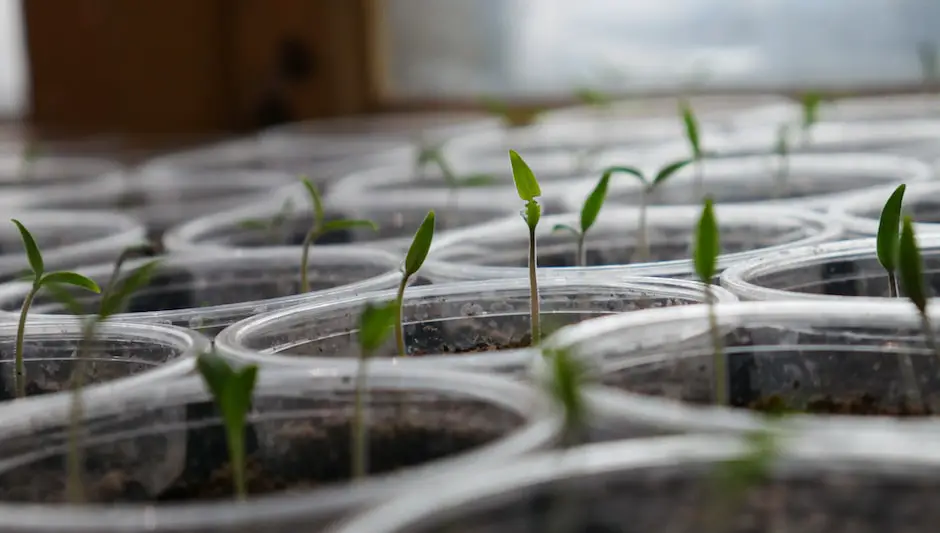
This is recommended, especially in regions with short growing seasons. Start your seeds 6-8 weeks before the last expected frost. Use seed-starting trays or small pots filled with a sterile seed-starting mix. Sow the seeds about ¼ inch deep and keep the soil consistently moist. Place the trays in a warm location (around 70-75°F) and provide supplemental light if needed. Once the seedlings emerge, move them to a brighter location or under grow lights. Thin the seedlings to one per cell or pot once they have their first set of true leaves (the leaves that appear after the initial seed leaves).
Direct Sowing:
This is possible in warmer climates with long growing seasons, but it's less reliable. Wait until the soil has warmed up to at least 60°F and there is no longer any risk of frost. Sow the seeds about ¼ inch deep and keep the soil consistently moist. Be prepared to protect the seedlings from pests and diseases. Direct sowing can result in a later harvest than starting seeds indoors.
5. Transplanting Your Tomato Seedlings
Once your tomato seedlings have grown to a size of 6-8 inches tall and have developed a strong root system, they are ready to be transplanted into the garden. Choose a sunny location with well-drained soil. Dig a hole that is slightly larger than the root ball and gently remove the seedling from its pot. Plant the seedling deep, burying the stem up to the first set of leaves. This will encourage the development of more roots along the buried stem, resulting in a stronger and more productive plant. Water the seedlings thoroughly after transplanting and provide support, such as a stake or cage, to help them grow upright.
Tips and Tricks for Success Growing a Tomato Plant From a Tomato
Here are some extra tips to help you succeed in your tomato-growing adventure:
- Soil Preparation: Amend your garden soil with compost or other organic matter to improve drainage and fertility. Tomatoes thrive in rich, well-drained soil.
- Watering: Water your tomato plants deeply and regularly, especially during hot, dry weather. Avoid overhead watering, which can promote fungal diseases.
- Fertilizing: Fertilize your tomato plants every 2-3 weeks with a balanced fertilizer. Look for a fertilizer that is specifically formulated for tomatoes.
- Pest and Disease Control: Monitor your tomato plants regularly for pests and diseases. Common tomato pests include aphids, tomato hornworms, and whiteflies. Common tomato diseases include early blight, late blight, and blossom-end rot. Take action to control pests and diseases as soon as they appear.
- Pruning: Prune your tomato plants regularly to improve air circulation and encourage fruit production. Remove suckers (the small shoots that grow between the main stem and the branches) to focus the plant's energy on developing fruits.
Troubleshooting: Common Issues and How to Solve Them
Even with the best efforts, you might encounter some challenges. Here are some common problems and how to address them:
-
Poor Germination:
This can be caused by several factors, including using old seeds, improper drying and storage, or unfavorable environmental conditions. Make sure your seeds are fresh, dry them properly, and provide warm, moist conditions for germination. Test the germination rate by sowing a few seeds indoors before planting the rest.
-
Damping Off:
This is a fungal disease that can kill young seedlings. To prevent damping off, use a sterile seed-starting mix, provide good air circulation, and avoid overwatering.
-
Blossom-End Rot:
This is a physiological disorder caused by calcium deficiency. To prevent blossom-end rot, ensure your soil has adequate calcium levels and water your tomato plants consistently.
-
Pest Infestations:
Tomato plants can be susceptible to various pests, such as aphids, whiteflies, and tomato hornworms. Monitor your plants regularly and take action to control pests as soon as they appear. Use organic pest control methods whenever possible.
-
Fungal Diseases:
Tomato plants can be affected by fungal diseases, such as early blight, late blight, and septoria leaf spot. To prevent fungal diseases, provide good air circulation, avoid overhead watering, and use disease-resistant varieties.
Conclusion
Growing tomato plants from a tomato is a testament to nature's resilience and a rewarding experience for any gardener. By following these steps and paying attention to the needs of your plants, you can enjoy a bountiful harvest of delicious, homegrown tomatoes. So, go ahead, grab that ripe tomato, and embark on your own tomato-growing adventure! You might be surprised at how easy and fulfilling it can be to grow a tomato plant from a tomato and it could turn out to be the best tomato you’ve ever had.