Imagine vibrant bursts of red cascading from a hanging basket, a miniature tomato vineyard right outside your door. Growing cherry tomatoes in a hanging basket isn't just a charming aesthetic choice; it's a surprisingly practical way to enjoy fresh, homegrown goodness, even if you're short on space. It's easier than you might think, and the rewards are delicious! Growing Cherry Tomatoes in Hanging Baskets: A Complete Guide Growing cherry tomatoes in hanging baskets offers a delightful way to bring fresh produce to even the smallest spaces. Whether you have a sprawling garden or a tiny balcony, the vibrant foliage and sweet, juicy fruits of cherry tomatoes add beauty and flavor to your surroundings. This guide will walk you through every step, from choosing the right basket to harvesting your bountiful crop. Consider these tips your keys to unlocking a cascade of delicious cherry tomatoes right at your fingertips! Why Choose Hanging Baskets fo...
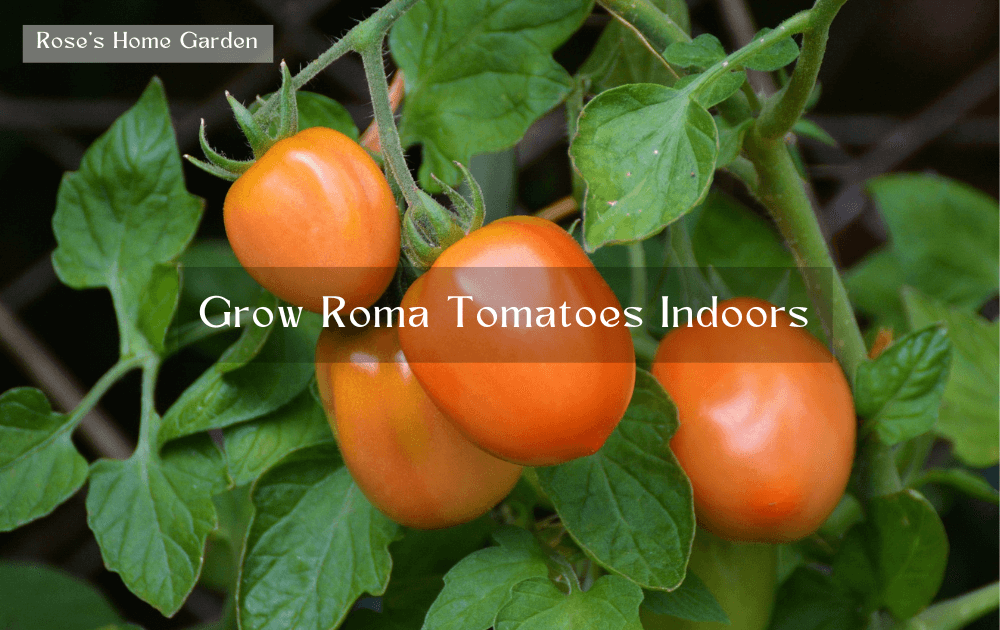
Imagine biting into a juicy, sun-ripened Roma tomato in the dead of winter. Sounds like a dream, right? Well, what if I told you that you could have that experience without stepping foot outside? Growing Roma tomatoes indoors is not only possible, but with the right knowledge and techniques, it can be incredibly rewarding. Let’s ditch the bland supermarket tomatoes and get ready to cultivate our own little slice of Italian sunshine, right in our homes!
Growing Roma Tomatoes Indoors: A Comprehensive Guide
Roma tomatoes, known for their meaty texture, rich flavor, and perfect size for sauces, pastes, and canning, are a favorite among gardeners and cooks alike. But what if you don't have a sprawling garden or face unpredictable weather? Fear not! Indoor gardening offers a fantastic solution. Growing Roma tomatoes indoors allows you to control the environment, extend the growing season, and enjoy fresh, homegrown produce year-round. This guide will walk you through every step, from selecting the right seeds to harvesting your bountiful crop.
Selecting the Right Roma Tomato Variety for Indoor Growing
While all Roma tomatoes share similar characteristics, some varieties are better suited for indoor cultivation than others. Look for compact or determinate varieties. Determinate varieties grow to a certain size and then stop, producing all their fruit at once, making them ideal for containers. Indeterminate varieties, on the other hand, continue to grow and produce fruit throughout the season, often requiring more space and support. Here are a few Roma tomato varieties that thrive indoors:
- Roma VF: A classic choice, known for its disease resistance and prolific yields.
- San Marzano: This Italian heirloom is prized for its exceptional flavor and meaty texture. While technically indeterminate, it can be managed indoors with proper pruning.
- Juliet: A grape tomato hybrid that resembles a Roma in shape and flavor, but is often more productive indoors.
When selecting seeds, choose reputable suppliers to ensure quality and germination rates. Starting with healthy seeds is crucial for success.
Essential Supplies for Growing Roma Tomatoes Indoors
Before you dive in, gather all the necessary supplies. Proper preparation will make the entire process smoother and more enjoyable. Here's a checklist of what you'll need:
- Seeds: As mentioned above, select a Roma tomato variety suitable for indoor growing.
- Seed Starting Trays or Small Pots: For germinating your seeds.
- Seed Starting Mix: A light, sterile mix designed for germination.
- Larger Pots (5-10 gallon): For transplanting your seedlings once they've grown.
- Potting Mix: A well-draining mix specifically formulated for containers. Avoid using garden soil, as it can compact and lack proper drainage.
- Grow Lights: Essential for providing adequate light, especially during winter months. LED grow lights are energy-efficient and effective.
- Tomato Cage or Stakes: To support the plants as they grow and prevent them from toppling over.
- Watering Can or Hose: For watering your plants.
- Fertilizer: A balanced tomato fertilizer to provide essential nutrients.
- Pruning Shears: For pruning and removing suckers.
- Thermometer: To monitor the temperature in your growing area.
Investing in quality supplies will significantly improve your chances of success. Don't skimp on the grow lights or potting mix; these are crucial for healthy growth and fruit production.
Step-by-Step Guide: Planting and Germinating Roma Tomato Seeds
Starting your Roma tomato seeds indoors is a simple yet crucial first step. Here's how to do it:
- Prepare the Seed Starting Trays: Fill the trays or small pots with seed starting mix, moistening it lightly.
- Sow the Seeds: Plant the seeds about ¼ inch deep, placing 2-3 seeds per cell or pot.
- Cover and Water: Gently cover the seeds with more mix and water lightly using a spray bottle to avoid disturbing the seeds.
- Provide Warmth: Cover the trays with a clear plastic dome or plastic wrap to create a humid environment. Place them in a warm location (70-75°F) or use a heat mat.
- Germination: The seeds should germinate in 7-14 days. Once they sprout, remove the plastic cover and place them under grow lights.
- Thinning: Once the seedlings have developed their first true leaves (the second set of leaves), thin them out, leaving only the strongest seedling in each cell or pot.
Remember to keep the seed starting mix consistently moist but not waterlogged. Overwatering can lead to fungal diseases.
Transplanting Roma Tomato Seedlings into Larger Pots
Once your Roma tomato seedlings have grown to about 6-8 inches tall and have developed a strong root system, it's time to transplant them into larger pots. This is a crucial step that will provide them with the space and nutrients they need to thrive.
- Prepare the Larger Pots: Fill the 5-10 gallon pots with a high-quality potting mix.
- Carefully Remove the Seedlings: Gently remove the seedlings from the seed starting trays, being careful not to damage the roots. If the roots are tightly bound, gently loosen them.
- Planting Depth: Plant the seedlings deeper than they were in the seed starting trays, burying about two-thirds of the stem. This will encourage the development of more roots.
- Water Thoroughly: Water the newly transplanted seedlings thoroughly to help them settle in.
- Support: Install a tomato cage or stakes at the time of transplanting to provide support as the plants grow.
Transplanting can be stressful for seedlings, so handle them with care and provide them with optimal conditions to recover quickly.
Providing Optimal Lighting Conditions for Indoor Roma Tomatoes
Light is essential for photosynthesis, the process by which plants convert light energy into chemical energy for growth. Roma tomatoes require at least 6-8 hours of direct sunlight per day to thrive and produce fruit. However, when growing indoors, you'll likely need to supplement natural light with grow lights.
Types of Grow Lights for Roma Tomatoes
- LED Grow Lights: Energy-efficient, long-lasting, and emit very little heat, making them ideal for indoor growing.
- Fluorescent Grow Lights: A more affordable option, but less energy-efficient than LEDs.
- High-Pressure Sodium (HPS) Grow Lights: Powerful and effective, but they produce a lot of heat and consume a lot of energy. They are generally not recommended for small-scale indoor growing.
Light Placement and Duration
Position the grow lights about 6-12 inches above the top of the plants. Adjust the height as the plants grow to maintain optimal light intensity. Use a timer to ensure the plants receive 14-16 hours of light per day. Darkness is also important for plants, so give them at least 8 hours of uninterrupted darkness.
Case Study: A study conducted by the University of Arizona found that using LED grow lights with a specific red and blue light spectrum significantly increased tomato yield compared to natural sunlight alone. This highlights the importance of providing the right kind of light for optimal growth.
Watering and Fertilizing Your Indoor Roma Tomato Plants
Proper watering and fertilization are crucial for the health and productivity of your indoor Roma tomato plants. Overwatering and underwatering can both lead to problems, as can a lack of essential nutrients.
Watering
Water deeply and thoroughly when the top inch of soil feels dry to the touch. Avoid watering the foliage, as this can promote fungal diseases. Water in the morning to allow the foliage to dry during the day.
Fertilizing
Start fertilizing your plants about two weeks after transplanting them into larger pots. Use a balanced tomato fertilizer, following the instructions on the label. Fertilize every 2-3 weeks during the growing season. Look for fertilizers that are rich in phosphorus and potassium, which are essential for fruit development.
Important Tip: Avoid over-fertilizing, as this can lead to nutrient burn. It's always better to under-fertilize than over-fertilize. Look for signs of nutrient deficiencies, such as yellowing leaves, and adjust your fertilization schedule accordingly.
Pruning and Training Indoor Roma Tomato Plants
Pruning and training are essential for managing the growth of your indoor Roma tomato plants and maximizing fruit production. Pruning helps to improve air circulation, reduce the risk of disease, and direct the plant's energy towards fruit development.
Pruning Suckers
Suckers are small shoots that grow in the junction between the main stem and the branches. Remove these suckers regularly, as they will steal energy from the plant and reduce fruit production. Pinch them off when they are small, about 1-2 inches long.
Training
Train your plants to grow upright using a tomato cage or stakes. This will help to support the plants as they grow and prevent the fruit from touching the soil. Tie the main stem to the cage or stakes using soft plant ties.
Fact: Pruning and training can increase tomato yields by up to 30%. This is because it allows the plant to focus its energy on producing fruit rather than vegetative growth.
Pollinating Indoor Roma Tomato Plants
Tomatoes are self-pollinating, but they often need a little help when grown indoors, where there are no bees or other pollinators to assist. Here are a few techniques you can use to pollinate your indoor Roma tomato plants:
- Shaking: Gently shake the plants a few times a week to help release pollen.
- Tapping: Tap the back of the flower clusters gently to release pollen.
- Using a Small Brush: Use a small, soft brush to collect pollen from one flower and transfer it to another.
- Using a Fan: Place a small fan near the plants to circulate air and help with pollination.
Quote: "Pollination is the key to a successful tomato harvest. Without proper pollination, the flowers will simply drop off without producing fruit," says Dr. Carolyn Male, author of "100 Heirloom Tomatoes for the American Garden."
Dealing with Pests and Diseases in Indoor Roma Tomatoes
While growing Roma tomatoes indoors can reduce the risk of pests and diseases, it's still important to be vigilant and take preventive measures. Here are some common pests and diseases that can affect indoor tomato plants and how to deal with them:
Common Pests
- Aphids: Small, sap-sucking insects that can cause yellowing leaves and stunted growth. Control them with insecticidal soap or neem oil.
- Spider Mites: Tiny mites that can cause stippling on the leaves. Increase humidity and treat with insecticidal soap or neem oil.
- Whiteflies: Small, white, winged insects that can cause yellowing leaves and sticky honeydew. Trap them with yellow sticky traps or treat with insecticidal soap.
Common Diseases
- Early Blight: A fungal disease that causes dark spots on the leaves. Remove infected leaves and improve air circulation.
- Late Blight: A more serious fungal disease that can quickly kill tomato plants. Remove infected plants immediately and avoid overhead watering.
- Fusarium Wilt: A soilborne fungal disease that causes yellowing and wilting of the leaves. Use disease-resistant varieties and avoid overwatering.
Prevention is Key: Maintain good air circulation, avoid overwatering, and inspect your plants regularly for signs of pests or diseases. Treat any problems promptly to prevent them from spreading.
Harvesting and Enjoying Your Homegrown Roma Tomatoes
The most rewarding part of growing Roma tomatoes indoors is harvesting and enjoying your homegrown bounty. Roma tomatoes are typically ready to harvest when they are fully red and slightly soft to the touch. Gently twist the tomatoes from the vine, being careful not to damage the plant.
Uses for Roma Tomatoes
- Fresh Salads: Slice them up and add them to your favorite salad.
- Sauces and Pastes: They are perfect for making homemade tomato sauce, paste, and soup.
- Canning: They are ideal for canning and preserving for later use.
- Roasting: Roast them with olive oil, herbs, and garlic for a delicious side dish.
Data: According to the USDA, homegrown tomatoes have a higher nutritional value than commercially grown tomatoes. This is because they are allowed to ripen fully on the vine and are not exposed to the same levels of pesticides and herbicides.
Conclusion: Grow Roma Tomatoes Indoors and Enjoy Fresh Tomatoes Year-Round
Growing Roma tomatoes indoors is a rewarding and enjoyable experience that allows you to savor the taste of fresh, homegrown tomatoes year-round. By following the steps outlined in this guide, you can create a thriving indoor tomato garden and enjoy a bountiful harvest. So, get ready to roll up your sleeves and embark on your indoor tomato growing adventure!